











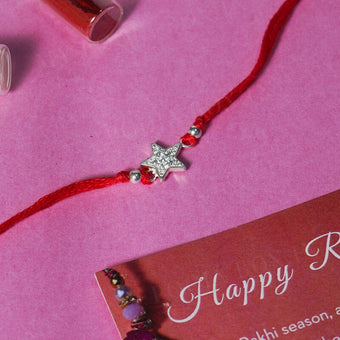
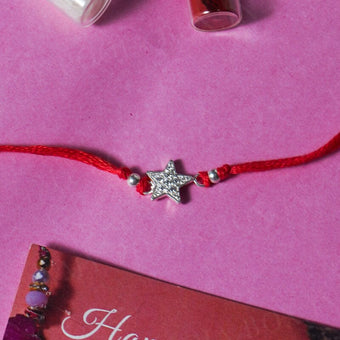
Raksha Bandhan (also known as Rakhi Poornima, Saluno, or Kajari Poornima) is a sacred Hindu festival that celebrates the bond of care, love, and mutual protection between siblings. Derived from Sanskrit, the word "Raksha" translates to protection, while "Bandhan" stands for the act of tying a bond together representing the "sacred knot of protection."
Historically, Raksha Bandhan symbolizes a pledge of protection and lifelong emotional support. While traditionally celebrated between brothers and sisters, modern interpretations transcended gender and bloodlines. Today, people tie Rakhis to sisters, friends, sister-in-laws (Bhabhi), and mentors anyone who offers unconditional care, safety, and guidance.
When is Raksha Bandhan 2026? Date, Shubh Muhurat & Timings
Raksha Bandhan 2026 will be celebrated on Friday, August 28, 2026. The festival falls on the Shravana Purnima (full moon day).
Good news for families in 2026: There is no Bhadra Kaal obstacle on August 28. Bhadra concludes completely on the night of August 27, leaving the early morning of August 28 completely clear and highly auspicious for tying Rakhi.
Rakhi 2026 Timing & Muhurat
| Ritual / Event | Date & Time (IST) | Key Details & Significance |
| Festival Date | Friday, August 28, 2026 | Celebrated on Shravana Purnima |
| Purnima Tithi Begins | Thursday, August 27, 2026, at 09:08 AM | Bhadra Kaal active during daytime |
| Purnima Tithi Ends | Friday, August 28, 2026, at 09:48 AM | Tithi completes in early morning |
| Rakhi Tying Muhurat (Shubh Muhurat) | 05:57 AM to 09:48 AM (Aug 28) | Primary Window (~3 Hours 51 Mins) |
| Raksha Bandhan Aparahan Time | 01:41 PM to 02:54 PM (Aug 28) | Traditional afternoon ritual period |
| Bhadra Kaal Status | Ends before sunrise on August 28 | 100% Safe — No Bhadra during morning |
How Is Raksha Bandhan Celebrated?
Raksha Bandhan is a vibrant, heart-centered celebration filled with sacred traditions, sweet delicacies, and joyful family gatherings. While the central ritual involves a sister tying a protective thread around her brother’s wrist, the day unfolds through a series of meaningful custom activities:
-
Festive Preparation: Waking up early, taking a purifying bath, wearing clean traditional attire (bright colors like red, yellow, or orange), and decorating the home entrance.
-
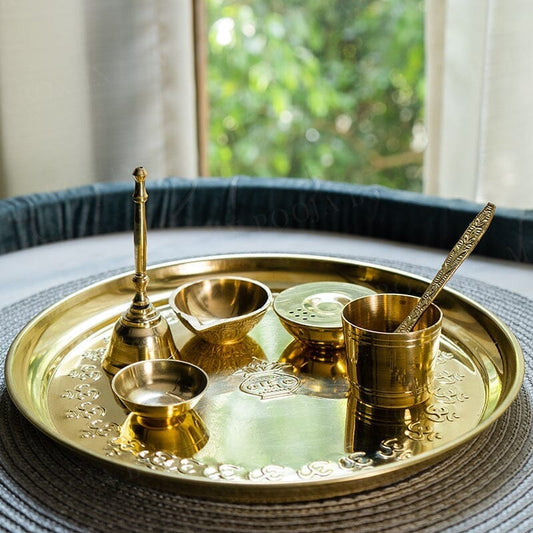
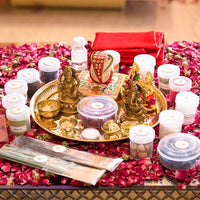
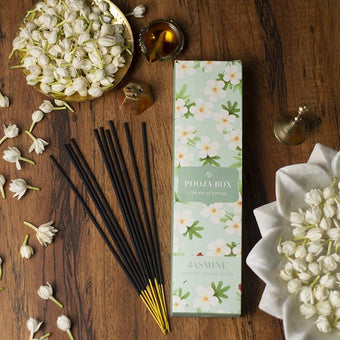
Puja Thali Setup: Arranging the sacred Rakhi thread, Roli (kumkum), Akshat (unbroken rice), a lit Diya, incense sticks, and sweets.
-
The Ritual: Seating the brother facing North or East with his head covered, applying Tilak and Akshat to activate the Ajna Chakra, and tying the sacred thread while reciting prayers.
-
Sweet Exchange & Blessings: Performing Aarti clockwise to ward off negative energy, feeding each other sweets, exchanging return gifts, and touching elders' feet (Charan Sparsh) for blessings.
History and Mythological Origins of Rakshabandhan
The roots of Raksha Bandhan run deep within ancient Indian scriptures, Vedic history, and classical folklore. Originally, the Raksha thread was tied by sages and priests (Gurus) on the wrists of disciples or warriors departing for battle to ward off evil.
What are the Key Legends Behind Raksha Bandhan?
- Lord Krishna and Draupadi (Mahabharata): When Lord Krishna cut his finger while wielding the Sudarshana Chakra, Draupadi immediately tore a piece of her silk sari and tied it around his wound to stop the bleeding. Moved by her love, Krishna promised to protect her honor a vow he fulfilled during the Sabha Parva.
-
Goddess Lakshmi and King Bali: In the Bhavishya Purana, Goddess Lakshmi visited King Bali disguised as a poor woman to retrieve Lord Vishnu from his duty guarding Bali’s kingdom. She tied a protective thread on Bali's wrist during Sharad Purnima. Touched by her gesture, King Bali granted her a wish, allowing Lord Vishnu to return to Vaikuntha.
-
Vedic Mentions: In the Uttar Parva of Bhavishya Purana, Lord Krishna narrates the significance of sacred protective threads to Yudhishthira, emphasizing the spiritual shield created by mantras tied to the wrist.
How is Rakhi celebrated across different regions in India?
While the fundamental essence of protection remains identical, regional cultures in India celebrate Raksha Bandhan through unique customs:
State-by-State Rakhi Traditions
| Region / State | Local Name / Event | Core Ritual & Significance |
| North India (Delhi, UP, Punjab) | Raksha Bandhan | Grand family reunions, exchange of sweets (Ghevar), and vibrant market bazaars. |
| West Bengal | Jhulan Purnima | Concludes the 5-day swing festival of Radha-Krishna before sisters tie Rakhis. |
| Maharashtra & Konkan | Narali Purnima | Fishing communities offer coconuts (Naral) to Lord Varuna (Sea God) for safety. |
| Haryana | Salono Festival | Priests tie sacred protective amulets (Salono) around villagers' wrists. |
| Jammu & Kashmir | Kite Flying Festival | Massive city-wide kite-flying competitions dominate the sky weeks prior. |
| South & Western India | Avani Avittam / Upakarma | Brahmin men change their sacred thread (Yajnopavita / Janayu) on Purnima. |
Step-by-Step Guide: How to Perform the Raksha Bandhan Ritual
To ensure your Rakhi ceremony aligns with authentic Vedic traditions while remaining practical for modern celebrations, follow these six structured steps:
Step 1: Purification and Morning Preparation
-
Sunrise Ritual: Begin the day early on Shravana Purnima (preferably before sunrise).
-
Self-Purification: Take a bath to cleanse the mind and body. Add a few drops of Ganga Jal (holy water) to your bathwater if available.
-
Attire: Wear clean, traditional attire, such as a Kurta Pyjama for brothers and a Saree or Lehenga/Anarkali for sisters. Bright colors like red, yellow, or orange are highly auspicious; avoid black.
-
Initial Prayer: Offer morning prayers (Sankalpa) to your family deity (Ishtha Devta) to seek blessings for the family's well-being.
Step 2: Prepare the Rakhi Puja Thali
Arrange a clean brass, copper, or silver Thali with the following essential items:
-
Sacred Rakhi Thread: A silk or cotton thread free of dark colors or leather accents.
-
Roli (Kumkum) & Akshat: Pure vermilion paste and unbroken, whole rice grains.
-
Lighting: A small Diya filled with cow ghee and lighted Agarbatti (incense sticks).
-
Prasad: Sweets such as Laddoo, Kaju Katli, or Peda.
-
Offerings: Fresh yellow/orange flowers, a Supari (betel nut), and a small vessel of water with a spoon.
Step 3: Apply Tilak and Akshat
-
Seating Orientation: Seat your brother facing East or North (the directions of positive energy and growth). The brother should cover his head with a handkerchief, scarf, or cloth.
-
Head & Mind Blessing: Apply a mark of Roli (Tilak) on the center of his forehead using your right ring finger or thumb.
-
Spiritual Alignment: Gently press unbroken rice grains (Akshat) onto the Tilak. This activates the Ajna Chakra (third-eye center), invoking clarity, focus, and divine protection.
Step 4: Tie the Sacred Rakhi Thread
-
Timing Check: Ensure the ritual takes place outside of Bhadra Kaal (an inauspicious time period).
-
Tying the Thread: Tie the Rakhi securely on your brother's right wrist, which represents righteousness (Dharma) and strength.
-
Mantra Recitation: While tying the thread, recite the traditional Raksha Sutra or hold a silent prayer for his longevity, prosperity, and spiritual growth:
5. Perform Aarti and Offer Sweets
-
Ward Off Negative Energy: Hold the Puja Thali or Diya and rotate it clockwise seven times in a circular motion in front of your brother to ward off negative energy (Nazar).
-
Sweet Exchange: Offer a sweet to God first as Prasad, then feed a bite to your brother with your right hand. He then feeds a piece back to you as a symbol of shared sweetness and joy.
6. Exchange Gifts and Blessings
-
Pledge of Protection: The brother pledges support, guidance, and lifelong protection to his sister.
-
Return Gifts: The brother presents his sister with a token of affection, cash gift, or thoughtful hamper.
-
Seeking Blessings: Younger siblings touch the feet of elder siblings or elders in the family to seek their lifelong blessings (Charan Sparsh).
How to Celebrate Long Distance Raksha Bandhan
No matter how irritating, annoying, or boring your siblings are, staying away from them on the eve of Raksha Bandhan is equally a difficult task. You can make this Raksha Bandhan celebration even more enjoyable and fun-filled with mandatory group video calling. Those long talks, enjoying sweets and snacks together with your siblings will make your day joyful!Sending an E-Rakhi online paired with Roli-Akshat with a platter and delicious sweets to your brother is an amazing way to dust away the miles.
Looking for Gift Ideas for Rakshabandhan?
Think about a rakhi with a gift for your brother or a specific rakhi gift. For your long-distance sibling, send a heartfelt brother rakhi message or rakhi greetings to your sister. You might also want to include rakhi quotes for your long distance brother.
The Significance of Rakshabandhan
Rakhi, which is a sacred thread that the sisters tie around the wrists of their brothers, is a thread that symbolizes their love, care and well wishes for their brothers with a promise of protection in return. Raksha itself means protection, and bandhan means bond, Raksha Bandhan literally translates to bond of protection between two beings. In Indian culture, many such threads are tied which represents protection against evils. Like the amulets or black threads to protect from evil eyes that people get in temples. During marriages also, women get to wear mangalsutra which signifies the same. We have always appreciated and acknowledged the responsibilities and expectations of protection that come with a formulation of bond in every relation possible and Rakhi is one of them.
If you are looking for unique Rakhi designs for your brother, the best approach is to explore curated Rakhi product categories that combine tradition, symbolism, and modern styling:
-
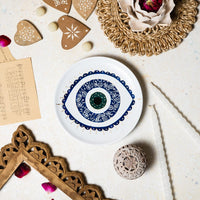
Evil Eye Rakhi for Protection: Designed to protect against negative energy and bring good luck.
-
Rudraksha Rakhi Bracelets: Ideal for spiritual gifting, symbolizing Lord Shiva’s blessings.
-
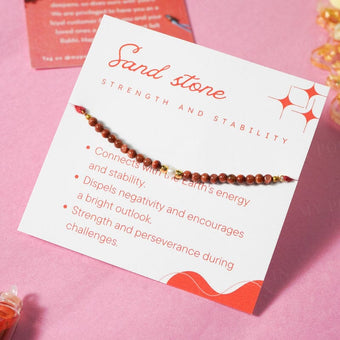
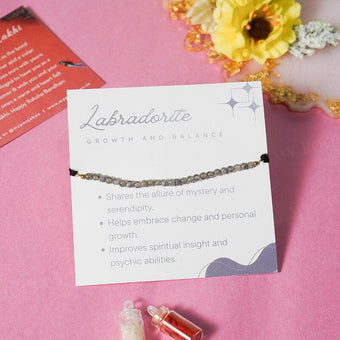
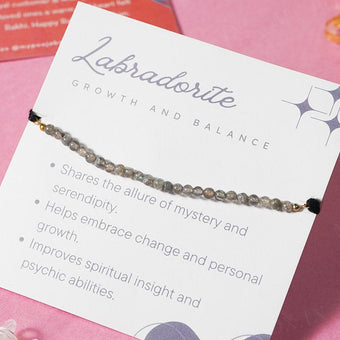
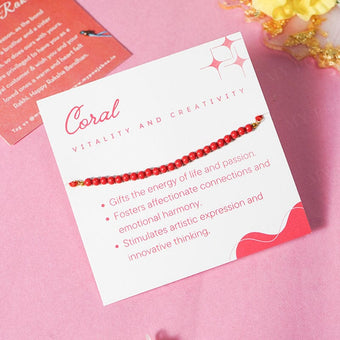
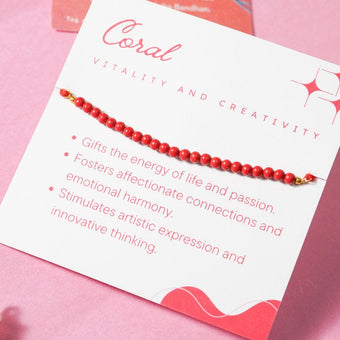
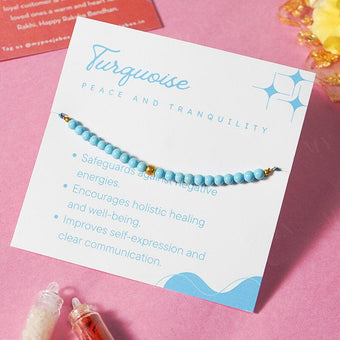
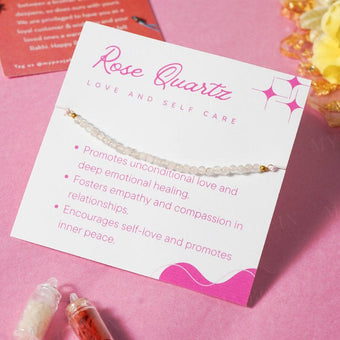
Crystal Rakhi Designs: Beaded with natural crystals chosen for emotional balance, peace, and positive energy.
-
Gold, Silver & Designer Rakhis: Premium handcrafted designs that add a luxurious touch while keeping traditional essence intact.
-
Eco-Friendly Seed Rakhis: Made using plantable materials representing sustainability and growth.
-
Bhaiya-Bhabhi Rakhi Sets: Specially designed combo Rakhis that celebrate both brother and sister-in-law.
Along with individual Rakhi designs, you can also explore Rakhi gift hampers and boxes that include Roli-Chawal, sweets, and curated gifts, making it easier to send a complete celebration package, especially for long-distance siblings.
Heartfelt Wishes, Messages & Quotes for Raksha Bandhan
Adding a handwritten note or digital greeting card makes your gift far more memorable. Here are heartfelt messages tailored for your siblings:
For Brother:
-
"No matter how much we fight or disagree, you will always be my first best friend and protector. Happy Raksha Bandhan, Bhaiya!"
-
"May this sacred thread protect you from all harm and bring health, success, and prosperity into your life."
For Sister:
-
"Thank you for being my constant guiding light and secret keeper. I promise to always stand by your side, no matter what."
-
"Happy Rakhi to the best sister in the world! Wishing you a life filled with endless joy and laughter."
For Long-Distance Siblings:
-
"Miles may separate our physical celebrations today, but our memories and bond remain unbreakable. Sending you love and a virtual Rakhi!"
-
"Though miles apart, my heart is right beside you on this auspicious day. Happy Raksha Bandhan!"
Traditional Sweets & Festive Treats of Raksha Bandhan
No festival in India is complete without delicious delicacies. Here are the traditional sweets exchanged during the Rakhi ritual:
-
Ghevar: A traditional Rajasthani honeycomb sweet prepared during the monsoon month of Shravana, topped with Rabri and dry fruits.
-
Kaju Katli: Premium cashew-based sweet symbolic of celebratory grandeur.
-
Besan Ladoo & Motichoor Ladoo: Classic homemade laddoos offered as Prasad during the morning Puja.
-
Mathri & Namkeen: Savory snacks paired with afternoon tea during family gatherings.
Essential Sacred Do's and Don'ts for the Ceremony
To ensure your Rakhi ceremony aligns with authentic Vedic principles, follow these guidelines:
-
Do tie the Rakhi on the Right Wrist: The right hand represents Dharma (righteousness) and active divine energy.
-
Do cover the Brother's Head: The brother should cover his head with a cloth, handkerchief, or scarf during the Tilak ceremony to show respect and focus positive energies.
-
Do use Unbroken Rice (Akshat): Only whole rice grains should be used during rituals, as broken rice is considered inauspicious.
-
Don't tie Rakhi during Bhadra Kaal: Always double-check Panchang timings and avoid Bhadra Kaal hours.
-
Don't use Dark Colors or Leather: Avoid black Rakhis, dark clothing, or accessories made with leather elements during sacred rituals.
What to Do with the Rakhi After the Festival?
Many siblings wonder how long to wear a Rakhi and how to dispose of it respectfully once the festival concludes:
-
How Long to Wear It: Traditionally, a Rakhi is worn until Krishna Janmashtami (about 8 days later) or Pitru Paksha. However, many brothers choose to keep it tied until it loosens naturally.
-
Eco-Friendly Seed Rakhi Care: If you used a plantable Seed Rakhi, place it under potting soil, water it daily, and nurture a new plant as a growing memory of your sibling bond.
-
Sacred Water Immersion (Visarjan): When removing a traditional silk Rakhi, submerge it gently in a clean river or lake accompanied by a silent prayer.
-
Tree Placement: If natural water immersion isn't accessible, tie the thread around the trunk of a sacred tree such as Peepal, Banyan, or Neem. Never discard sacred threads into ordinary trash bins.
What kind of gifts are typically exchanged on Rakhi?
Rakhi gift exchanges traditional and modern choices based on personal preferences and budget:
-
Cash Envelopes (Shagun): Traditional cash gifts given by brothers to sisters as a token of love and blessing.
-
Sweets & Dry Fruits: Boxes of traditional mithai like kaju katli, ladoos, or premium assorted dry fruit hampers.
-
Clothing & Accessories: Ethnic wear like sarees, kurtas, or everyday fashion accessories, bags, and watches.
-
Electronics & Gift Cards: Popular modern gifts including smartphones, earbuds, or digital shopping cards for flexibility.
What items are essential for a Rakhi puja thali?
Preparing a traditional Rakhi puja thali requires a few key items to perform the auspicious ritual correctly:
-
Rakhi Threads: The sacred decorative thread placed on the thali to be blessed before tying it around the brother’s wrist.
-
Roli & Chawal: Vermilion powder (roli) mixed with water and whole un-cracked rice grains (chawal) to apply the holy tilak on the brother's forehead.
-
Diya & Incense: A lit ghee or oil lamp (diya) and incense sticks (agarbatti) to perform the aarti and bless the ceremony.
-
Sweets (Mithai): Traditional Indian sweets like ladoos, pedas, or barfi to sweeten the occasion after tying the Rakhi.