













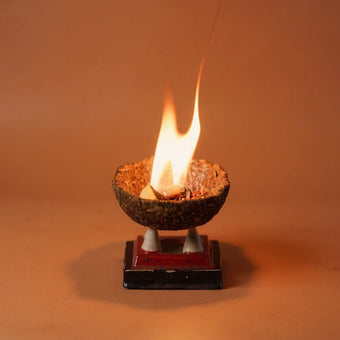












Amavasya, the new moon day, is one of the most spiritually significant days in the Hindu calendar. It is a time for reflection, purification, and renewal. Amavasya is often associated with ancestor worship and spiritual cleansing, making it an ideal day to honor those who have passed and seek blessings for the present and future. This sacred day is believed to bring peace to the souls of ancestors, help release negative energy, and offer a fresh start.
In this blog, we will explore why Amavasya is so important for ancestor worship and spiritual cleansing, and how the rituals performed on this day can help purify the mind, body, and soul. By understanding the deep spiritual significance of Amavasya, you can approach the day with reverence, clarity, and a deeper connection to both the divine and your lineage.
The Spiritual Significance of Amavasya
Amavasya, or the new moon, marks the end of the lunar cycle and symbolizes a time of cleansing, letting go, and new beginnings. Unlike the waxing moon, which is associated with growth and expansion, Amavasya represents a time of reflection, purification, and spiritual reset.
1. Spiritual Renewal and Rebirth
-
End of the Old Cycle: Amavasya represents the end of the lunar cycle and serves as a time to release what is no longer serving you-whether it’s past regrets, negative energy, or spiritual blockages. It’s a time to cleanse the soul and embrace the potential of a new spiritual beginning.
-
Symbol of Transformation: Amavasya, as the new moon, symbolizes transformation and spiritual awakening. It is believed that fasting and performing rituals on this day help shed old energies, allowing for fresh, positive spiritual growth and renewal.
-
New Beginnings: While Amavasya signifies endings, it also marks the start of a new lunar cycle, making it an ideal time to set intentions for the future and embark on new spiritual journeys, free from past burdens.
2. Honoring Ancestors on Amavasya
One of the most important practices on Amavasya is ancestor worship. This day is believed to be especially auspicious for connecting with and honoring ancestors, seeking their blessings, and helping them find peace in the afterlife. Shraddha rituals performed on Amavasya are specifically intended to honor deceased family members and ensure that their souls are at rest.
-
Tarpan and Offerings: On Amavasya, offering tarpan (water with sesame seeds) and food offerings to ancestors is believed to help nourish their souls. This ritual ensures that the ancestors receive the sustenance they need for peace in the afterlife. It is also seen as a way to clear the spiritual debts of ancestors, ensuring their journey is peaceful.
-
Maintaining the Connection: Amavasya is a time when the souls of ancestors are believed to be most accessible to their living descendants. By performing rituals on this day, devotees strengthen their connection with their ancestors and ensure that their family lineage is blessed, protected, and spiritually guided.
-
Cleansing Ancestral Karma: Observing Amavasya rituals is believed to help clear the negative karma of ancestors, which may affect the living family members. By performing Shraddha and making offerings to the ancestors, devotees seek spiritual purification for both the deceased and the living family members.
The Role of Amavasya in Spiritual Cleansing
Spiritual cleansing is a key aspect of Amavasya. The energy of this day is conducive to letting go of negativity, releasing emotional baggage, and aligning with higher spiritual truths. Amavasya is considered an ideal time for detoxification, both physically and spiritually.
1. Purification of the Mind and Soul
-
Inner Reflection: Amavasya offers a powerful opportunity for self-reflection and introspection. It is a time to take stock of your life, identify areas of growth, and let go of old patterns that no longer serve you. By performing rituals such as chanting mantras, fasting, and meditation, you clear your mind and soul of any lingering negative energies, allowing you to move forward with a renewed sense of purpose.
-
Emotional Healing: Fasting on Amavasya allows for emotional healing, as it promotes a state of inner peace and calm. Releasing attachments to past experiences, regrets, or emotional turmoil during Amavasya helps create a lighter, more peaceful heart.
-
Mental Clarity: The act of fasting on Amavasya helps focus the mind, promoting mental clarity and emotional balance. It is believed that the fast creates space for divine energy to enter, helping you gain spiritual insights and a deeper understanding of your spiritual path.
2. Letting Go of Negative Karma
-
Cleansing the Karmic Cycle: Amavasya is a time for spiritual purification. Fasting and performing Shraddha rituals are said to cleanse past karma, freeing the devotee from any lingering negative influences. This practice helps break the karmic cycles that have been passed down through generations, allowing for healing and a fresh start.
-
Releasing Emotional Baggage: The new moon’s energy encourages detachment from past emotional wounds and attachments. On Amavasya, the act of fasting and meditation provides an opportunity to release any unresolved emotional baggage, ensuring a renewed sense of peace and spiritual strength.
3. Detoxifying the Physical Body
-
Physical Cleansing: Fasting on Amavasya also serves as a physical detox. By abstaining from food, you allow your body to rest and cleanse itself of impurities. This act of fasting helps rejuvenate the body’s natural detoxification processes and promotes overall health and vitality.
-
Boosting Spiritual Energy: A physically cleansed body supports a spiritually open mind. As the body becomes lighter through fasting, it allows the mind to be more receptive to spiritual practices, meditation, and prayers. This fosters a stronger connection with higher consciousness and a more profound experience of divine energy.
How to Observe Amavasya for Ancestor Worship and Spiritual Cleansing
Observing Amavasya involves fasting, offering food to ancestors, and engaging in spiritual practices that facilitate purification and renewal. Here’s how you can observe Amavasya to honor your ancestors and cleanse your spirit:
1. Fasting on Amavasya
-
Waterless Fast (Nirjala): For a deep spiritual cleanse, observe a waterless fast, abstaining from both food and water. This is a more rigorous form of fasting, believed to bring the maximum spiritual benefits of purification.
-
Fruit-Based or Light Fast: Alternatively, you can choose a gentler fast, where you consume fruits, milk, and nuts while avoiding grains, processed foods, and non-vegetarian dishes. This fast allows the body to remain nourished while still fostering spiritual focus.
-
Hydration: If you are doing a fruit-based fast, drink water or coconut water to stay hydrated. You may also drink herbal teas or fresh juices to maintain energy levels.
2. Setting Up an Altar for Ancestor Worship
-
Cleanse the Space: Begin by cleaning the area where you will perform the rituals. A clean space invites divine energy and enhances the sanctity of the worship.
-
Place Ancestor Photos: Set up a simple altar with photos or names of your ancestors. Offer fresh flowers, incense, and a diya (lamp) to honor their souls and create a sacred atmosphere.
-
Tarpan (Water Offering): Offer tarpan (water mixed with sesame seeds) to your ancestors. This ritual is believed to nourish the souls of the departed and help them find peace in the afterlife.
3. Offering Food to Ancestors and the Divine
-
Simple Sattvic Foods: Offer simple, pure foods such as fruits, milk, rice, or sweets made from rice and jaggery. These offerings symbolize nourishment for the souls of your ancestors.
-
Offer Prasad: After the Shraddha rituals, distribute the prasad (offered food) to your family members. Sharing prasad symbolizes the distribution of divine blessings and strengthens the spiritual connection between the living and the deceased.
4. Meditate and Reflect
-
Meditate on the Ancestors: Spend time meditating on the lives of your ancestors. Reflect on the wisdom they have passed down and the lessons you have learned from them. Use this time to seek guidance from their souls and honor their memory.
-
Spiritual Reflection: Reflect on your own spiritual path, seeking forgiveness for past mistakes and asking for spiritual renewal as you release negative energies. Use the energy of Amavasya to set intentions for the upcoming lunar cycle.
Conclusion
Amavasya is a sacred day for spiritual cleansing, ancestor worship, and new beginnings. By fasting and performing Shraddha rituals, you honor your ancestors, seek their blessings, and cleanse your soul of negative influences. Fasting on Amavasya helps purify both the body and mind, allowing you to align with the spiritual energies of the new moon and invite divine peace and protection into your life.
Whether you observe a waterless fast or a fruit-based fast, the key to benefiting from Amavasya lies in the sincerity and devotion with which you perform the rituals. By honoring your ancestors and embracing the process of spiritual renewal, you invite divine grace, peace, and spiritual transformation into your life.