










Holi is one of the most widely celebrated festivals in India, known for its vibrancy, joy, and celebration of colors. While the festival is marked by exuberant color throwing, music, and dancing, there are two key aspects of Holi that hold deep spiritual significance and set the festival apart from others: Holika Dahan and Rangwali Holi (the day of colors).
Often, people use the term Holi to refer to the entire festival, but it's important to recognize that Holika Dahan and Holi are two distinct parts of the celebration. In this blog, we will explore the difference between Holi and Holika Dahan, their significance, and how each ritual contributes to the overall meaning of the festival.
What is Holika Dahan? The Ritual of Burning Evil
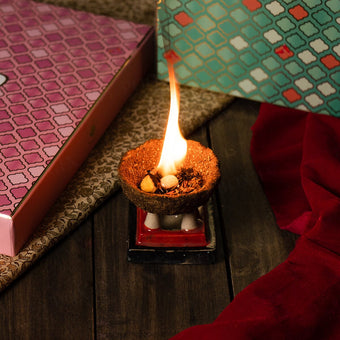
Holika Dahan marks the beginning of the Holi festival and is one of the most important rituals. It takes place on the night before Rangwali Holi and is a symbolic representation of the victory of good over evil.
The Mythological Story Behind Holika Dahan
The ritual has its roots in the mythological story of Prahlad and Holika. According to the Hindu legend, Prahlad, the son of the demon king Hiranyakashyap, was a devotee of Lord Vishnu. His father, who was consumed by arrogance, wanted everyone to worship him as a god, but Prahlad refused, remaining loyal to Lord Vishnu.
In an attempt to kill his son, Hiranyakashyap ordered his sister Holika, who had a magical ability to withstand fire, to sit in a burning pyre with Prahlad on her lap. However, because of Prahlad’s devotion to Vishnu, the divine god protected him, while Holika was consumed by the flames.
Thus, Holika Dahan symbolizes the destruction of evil (Holika) and the protection of the virtuous (Prahlad). It marks the burning away of negativity and evil forces from our lives, while invoking divine blessings for peace and prosperity.
How Holika Dahan is Performed
-
Bonfire Setup: On the evening of Rangwali Holi, communities gather to build a bonfire with wood, dried leaves, and cow dung cakes. Often, an effigy of Holika is placed on the bonfire.
-
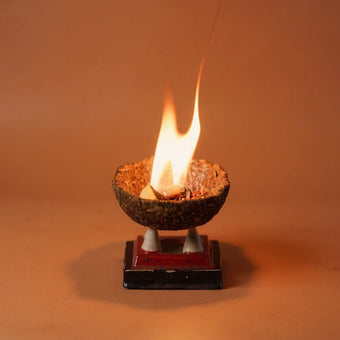
Lighting the Fire: The bonfire is lit during the auspicious Holika Dahan Muhurat (a specific time chosen based on the Hindu calendar). This is the time when people gather around the fire, offer prayers, and celebrate the triumph of good over evil.
-
Prayers and Rituals: As the fire burns, devotees offer prayers for the destruction of negativity in their lives. People may also walk around the bonfire as a symbol of purification and spiritual renewal.
What is Holi? The Festival of Colors
Once Holika Dahan is completed, the next day is celebrated as Rangwali Holi (the day of colors). This is the most widely recognized part of the Holi festival, known for its fun-filled activities like color throwing, dancing, and singing.
The Joy of Rangwali Holi
-
Throwing Colors: The central theme of Rangwali Holi is the throwing of colors (gulal) at friends, family, and even strangers. The colors symbolize joy, harmony, and the spiritual energy of Maa Durga, marking the arrival of spring.
-
Dancing and Music: People gather in groups and dance to traditional Holi songs, playing dhol (drums) and other musical instruments. The air is filled with laughter and celebration.
-
Sharing Sweets: Gujiya, thandai, and dahi vada are some of the traditional foods shared during Holi. Sweets and refreshing drinks like thandai (which sometimes contains bhang) are distributed among friends and family.
-
Unity and Fun: Holi is not just a celebration of colors but also of unity and togetherness. People from all walks of life come together to celebrate, forgive past grievances, and create new memories.
Key Differences Between Holika Dahan and Holi
Though Holika Dahan and Holi are part of the same festival, they serve different purposes and have distinct rituals. Here's a quick comparison to help you understand the key differences:
|
Aspect |
Holika Dahan |
Holi |
|
Timing |
Evening of the day before Rangwali Holi |
Morning of Rangwali Holi |
|
Ritual |
Lighting the bonfire and offering prayers |
Throwing colors, singing, and dancing |
|
Symbolism |
Burning of evil (Holika) and victory of good (Prahlad) |
Celebrating the arrival of spring and joy |
|
Color Usage |
No colors involved |
Colors are thrown at people for fun and unity |
|
Cultural Significance |
Represents the destruction of negativity and evil forces |
Represents joy, renewal, and the arrival of spring |
Why Do We Celebrate Holika Dahan and Holi Together?
The connection between Holika Dahan and Holi lies in the spiritual journey from darkness to light, and from evil to good. Holika Dahan serves as the ritual cleansing, where evil is burned away, and Rangwali Holi is the joyful celebration of the victory of good.
-
Holika Dahan is a time for reflection, where we purify ourselves from past grievances, negative emotions, and personal struggles.
-
Holi then follows, bringing joy, unity, and celebration, where people come together in harmony and share love and blessings through colors and food.
Both rituals represent the balance of good and evil in the world and in our lives. They teach us that, just like Prahlad, we can overcome adversity and live with faith, devotion, and positivity.
Embrace the Meaning of Holi and Holika Dahan
Holi and Holika Dahan are two important and interconnected rituals that make up the grand festival of Holi. While Holika Dahan represents the destruction of evil and the purification of the soul, Holi brings the vibrancy of colors, joy, and togetherness into our lives.
Understanding the difference between Holi and Holika Dahan not only enhances your celebration but also helps you connect deeply with the spiritual significance of this sacred festival. As we celebrate Holi in 2026, let us remember the lessons of faith, hope, and the victory of good over evil, while sharing the joy of colors, music, and happiness with those around us.
Wishing you and your loved ones a happy and blessed Holi 2026 filled with love, joy, and divine blessings!