













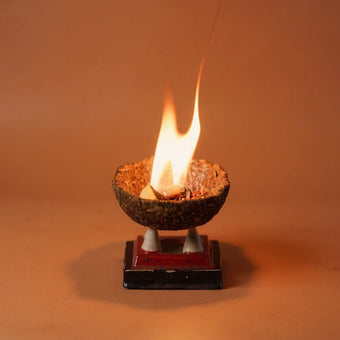












Amavasya, the new moon day, is one of the most spiritually significant days in the Hindu calendar. Traditionally, it is a time for deep reflection, honoring ancestors, and connecting with the energies of the earth and the cosmos. Amavasya is a day to perform Shraddha rituals, a sacred act of paying homage to our ancestors, seeking their blessings, and ensuring their peace in the afterlife. This day is also considered an ideal time for fasting, as it is believed to cleanse the mind, body, and spirit, making way for new beginnings and spiritual growth.
In this blog, we will explore the importance of Amavasya, the significance of observing Shraddha rituals for ancestors, and how fasting on this day can enhance spiritual growth, help with emotional healing, and strengthen the connection to our family lineage.
The Spiritual Significance of Amavasya
Amavasya, or the new moon day, is often associated with new beginnings, spiritual renewal, and introspection. Unlike the waxing moon, which symbolizes growth and expansion, the waning moon (Amavasya) is a time of cleansing, detachment, and reflection. This day marks the end of a lunar cycle and prepares the way for the next cycle of energy, symbolizing a time to clear away the old and make space for new growth.
1. Amavasya as a Time for Reflection and Introspection
-
Inner Cleansing: Amavasya is an opportunity to go inward and reflect on your actions, intentions, and life goals. It’s a time to evaluate past decisions, learn from mistakes, and release what no longer serves you. Through reflection and self-awareness, you can create a clear mental and emotional space for the new moon’s spiritual energy.
-
Detachment and Letting Go: The energy of Amavasya helps detach from material desires and attachments, facilitating spiritual growth. The darkness of the new moon symbolizes a time of letting go-whether of past regrets, old habits, or emotional baggage.
-
Setting Intentions for the Future: Though Amavasya represents endings, it also marks the beginning of a new cycle. It is a powerful time for setting intentions for the future, focusing on spiritual progress, growth, and new opportunities.
2. Honoring Ancestors with Shraddha Rituals
In Hindu tradition, Shraddha refers to the rituals performed to honor and pay respects to one’s ancestors. These rituals are believed to ensure that the souls of ancestors rest in peace and receive the blessings of their descendants. Amavasya is particularly important for performing these Shraddha rituals, as it is considered an auspicious day for making offerings and connecting with the departed souls.
-
Paying Homage to Ancestors: Performing Shraddha on Amavasya is a way of showing respect and gratitude to one’s ancestors. The rituals serve as a bridge between the living and the departed, ensuring that ancestors are at peace and their souls are blessed.
-
Clearing Karmic Debt: It is believed that by performing Shraddha rituals on Amavasya, one can help clear ancestral karma and ensure that the negative effects of past actions are resolved. By offering prayers and food to the departed souls, devotees seek to release any lingering karmic debts, improving the spiritual health of the entire family lineage.
-
Strengthening Family Bonds: Observing Shraddha rituals is also a way of reinforcing the spiritual connection with family ancestors. It is believed that the prayers, offerings, and blessings help strengthen the bond between the living and the dead, creating a legacy of love, respect, and spiritual harmony.
The Role of Fasting on Amavasya
Fasting on Amavasya is an important practice in Hinduism, believed to enhance the spiritual benefits of the day and prepare the devotee for the new lunar cycle. Fasting serves not only as a physical detox but also as a way to purify the mind and soul, allowing for deeper spiritual reflection, connection with ancestors, and the release of past attachments.
1. Spiritual Benefits of Fasting on Amavasya
-
Cleansing the Body and Mind: Fasting on Amavasya is a means of cleansing the physical body by detoxifying it from unhealthy foods and impurities. This purification extends to the mind, as fasting helps calm mental distractions and creates a state of mental clarity and focus.
-
Enhanced Connection with the Divine: By fasting and dedicating the day to worship, fasting devotees strengthen their connection to Lord Vishnu, Lord Shiva, and their ancestors. The practice of fasting helps open the spiritual channels, allowing the devotee to feel the divine presence more strongly.
-
Purification of Karma: Fasting on Amavasya is believed to help purify negative karma accumulated from past actions. It is a way of atoning for past mistakes and seeking forgiveness from the divine, ensuring that the soul is cleansed and ready to start anew.
2. Fasting as a Preparation for Shraddha Rituals
Fasting is also seen as a preparatory act before performing Shraddha rituals. When fasting, the devotee’s body and mind are considered more receptive to the spiritual offerings made during the Shraddha ceremony. The pure energy generated by the fast helps amplify the effect of the prayers and offerings to the ancestors.
-
Focus and Devotion: Fasting enables the devotee to focus solely on the rituals and prayers, without being distracted by food and worldly concerns. This enhanced focus increases the efficacy of the Shraddha ceremony and strengthens the connection to the ancestral realm.
-
Offerings to Ancestors: During the fasting period, devotees make offerings of food, water, and ghee to their ancestors as part of the Shraddha ritual. These offerings symbolize gratitude and respect for the departed, and fasting helps the devotee offer these with purity and devotion.
3. Types of Fasting on Amavasya
Fasting on Amavasya can be done in several ways, depending on one’s health, spiritual goals, and the level of devotion:
-
Waterless Fast (Nirjala): This is the most rigorous form of fasting, where no food or water is consumed. It is a powerful practice of self-discipline and is often observed by advanced practitioners. It symbolizes complete surrender to the divine and devotion to the ancestors.
-
Fruit-Based Fast: A gentler alternative to Nirjala fasting, fruit-based fasting allows the consumption of light foods like fruits, milk, and nuts. This form of fasting provides nourishment while still keeping the devotee spiritually focused.
-
Simple Food Fast: Some devotees opt for a simple fast that includes light, sattvic foods such as boiled vegetables, fruits, or milk-based dishes. This form of fasting allows the body to stay nourished without hindering the spiritual benefits of fasting.
How to Observe Shraddha Rituals on Amavasya
Shraddha rituals are an essential part of Amavasya observance and are usually done to honor ancestors and seek their blessings. Here’s a guide to performing Shraddha rituals on Amavasya:
1. Setting Up an Altar for Ancestor Worship
-
Clean the Space: Begin by cleaning the area where you will perform the rituals. A clean space helps create a sacred environment that invites positive energy.
-
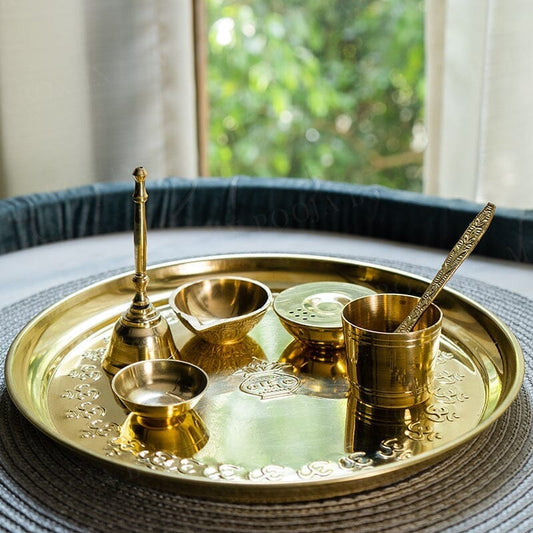
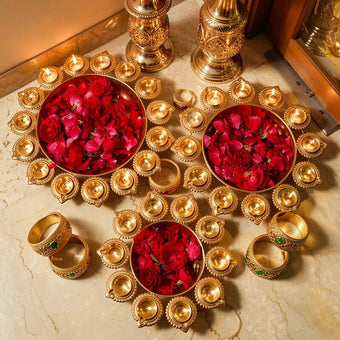
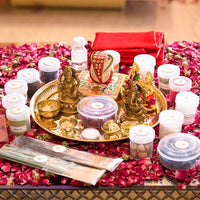
Set Up the Altar: Place an idol or picture of Lord Vishnu or Lord Shiva on the altar, along with photos or names of your ancestors. Decorate the altar with fresh flowers, incense sticks, and a lamp (diya).
2. Offer Prayers and Mantras
-
Offer Prayers: Recite prayers such as “Pitri Deva, Pitri Deva, Namah Namah” (Salutations to the ancestors) and ask for their blessings for peace and prosperity. Offer gratitude for their protection and guidance.
-
Chant the Pitri Mantras: Mantras such as “Om Pitriyaya Namah” are dedicated to the ancestors. Chant these mantras while offering food, milk, or water as an offering.
3. Perform Tarpan (Water Offering)
-
Tarpan Ritual: One of the most important aspects of Shraddha rituals is offering tarpan (water) to ancestors. During this ritual, water is offered with a prayer to honor and bless the ancestors' souls.
4. Make Food Offerings (Prasad)
-
Offer Prasad: Offer sattvic prasad (such as fruits, milk-based dishes, or simple sweets) to your ancestors. Share the prasad with family and loved ones after the ritual to distribute the blessings of the ancestors.
5. Reflect and Meditate
-
Self-Reflection: Use this time to reflect on the legacy of your ancestors and their impact on your life. Meditate on their guidance, wisdom, and blessings, seeking spiritual clarity and strength for the future.
Conclusion
Amavasya is a powerful time for spiritual renewal, and fasting and observing Shraddha rituals on this day provide a deep connection to our ancestors and the divine. Fasting helps purify the body, mind, and soul, preparing us to receive the energy of the new moon. Through the Shraddha rituals, we honor our ancestors, seek their blessings, and ensure their peace in the afterlife.