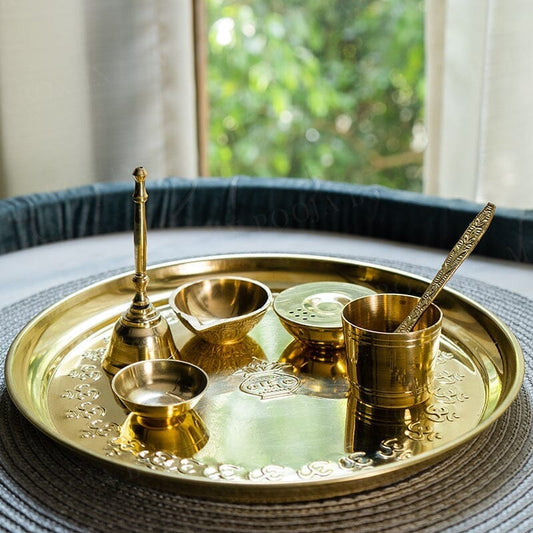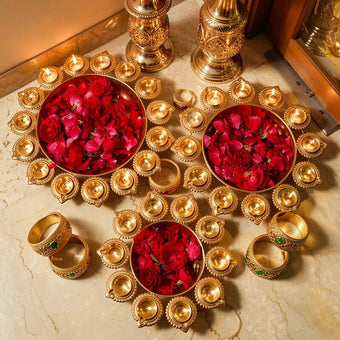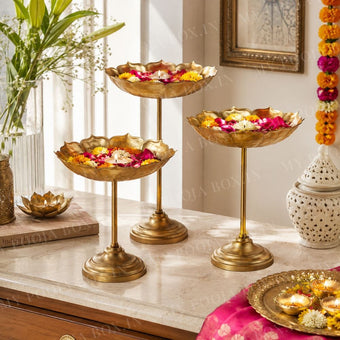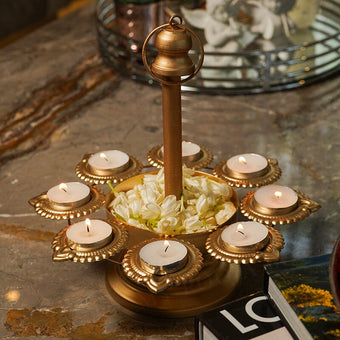
























In the fast-paced world we live in today, finding moments of calm, mindfulness, and emotional balance is more important than ever. Amid the constant hustle and bustle, small practices rooted in Indian traditions can provide a gentle, grounding influence that brings a sense of peace and purpose to our daily lives. These rituals, though simple, have the power to create a deep connection between the mind, body, and soul, helping to nurture our emotional well-being and cultivate a mindful approach to life.
In this blog, we will explore some small Indian rituals that can help you find calm, clarity, and meaning in your everyday routine. From moments of meditation to acts of gratitude, these practices are not only easy to incorporate into your day but also serve as anchors that guide you toward a life of balance and mindfulness.
The Power of Small Rituals in Indian Traditions
Indian rituals have been passed down through generations, rooted in deep cultural and spiritual significance. While many of these rituals are often performed during special occasions or festivals, there are also simple, everyday practices that can be incorporated into daily life to create a sense of mindfulness, grounding, and emotional balance. These rituals don’t require elaborate preparation or extensive time commitments but, instead, focus on creating small moments of connection with the present moment.
By incorporating these small rituals, you can bring clarity, peace, and purpose into your routine, helping to reduce stress, improve mental well-being, and foster a sense of gratitude for the present.
1. Lighting a Diya (Oil Lamp)

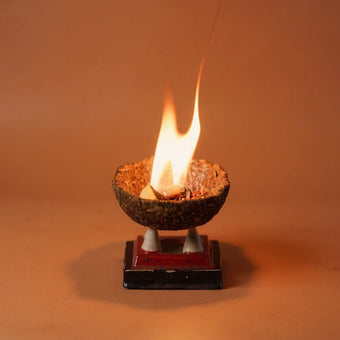
One of the most beautiful and meaningful rituals in Indian culture is the act of lighting a diya (oil lamp) each morning or evening. The diya is often associated with Lord Ganesha, Lakshmi, and other deities, but beyond its religious significance, it symbolizes the triumph of light over darkness and knowledge over ignorance. The flame represents purity, positivity, and energy.
Why it adds calm & purpose:
-
Lighting a diya can be a moment of reflection and mindfulness, symbolizing the start of a new day or the end of a busy one.
-
The act of lighting a flame and watching it flicker can help center the mind, bringing clarity and calmness to your thoughts.
-
The diya serves as a reminder of gratitude, hope, and spirituality, setting a positive tone for the day or night ahead.
How to do it:
-
Light a small diya made of clay, brass, or copper with ghee or oil in a quiet corner of your home, preferably near a window or in a sacred space. As the flame flickers, take a few deep breaths and focus on your intention for the day.
2. Morning Prayers or Affirmations (Jap or Mantra Chanting)

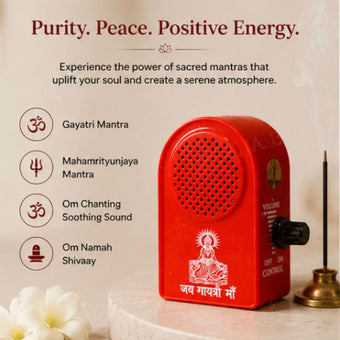
In Indian culture, prayer and mantra chanting are powerful practices that promote spiritual well-being and emotional grounding. Chanting mantras such as the Gayatri Mantra, Om Mani Padme Hum, or affirmations related to peace and abundance can provide clarity and a sense of purpose. These sacred chants are believed to have spiritual energy that calms the mind and connects the practitioner to a higher power or their inner self.
Why it adds calm & purpose:
-
Repeating a mantra or prayer acts as a form of mindfulness, allowing you to stay present in the moment and focus your mind.
-
It creates an atmosphere of peace and positivity, helping to reduce anxiety and stress.
-
The rhythm of chanting can serve as a form of meditation, centering your thoughts and emotions for the day.
How to do it:
-
Begin your day by sitting in a comfortable position, closing your eyes, and either silently or vocally chanting your chosen mantra or prayer for 5–10 minutes. This will set a peaceful tone for the day ahead and bring clarity to your mind.
3. Offering Water to the Sun (Surya Arghya)

In many Indian households, it’s a daily ritual to offer water to the rising sun. This simple yet profound act is known as Surya Arghya and is often performed at dawn. The offering of water is symbolic of gratitude, acknowledging the life-giving force of the sun and the natural rhythm of the earth.
Why it adds calm & purpose:
-
This ritual connects you with nature and the universe, creating a deep sense of gratitude for the gift of life and the natural forces that support it.
-
It is an opportunity for mindfulness and reflection, helping to clear the mind and set positive intentions for the day.
-
The ritual also connects you to the cosmic cycles and the idea of starting each day with purpose and respect for the natural world.
How to do it:
-
Stand or sit facing the rising sun with a small copper or clay vessel filled with water. Offer the water towards the sun with your right hand while expressing your gratitude and setting intentions for the day. This can be done as a solo practice or with family members.
4. Daily Gratitude Practice (Prarthana or Dhyaan)

Gratitude is one of the most powerful emotions to cultivate, and Indian traditions emphasize its importance in daily life. The simple practice of thankfulness for everything, from the smallest blessings to the biggest, helps create a mindset of abundance and contentment. Prarthana (prayers) or Dhyaan (meditation) focused on gratitude can become a powerful tool for emotional balance and positive thinking.
Why it adds calm & purpose:
-
Gratitude shifts your focus from what’s missing to what you have, bringing peace and contentment.
-
It reduces feelings of stress and anxiety by helping you appreciate the present moment and the positive aspects of your life.
-
A gratitude practice encourages a mindful presence, bringing you back to the now and creating emotional balance.
How to do it:
-
Each morning or evening, take a few minutes to reflect on at least three things you are grateful for. Close your eyes, focus on your breath, and offer silent thanks for these blessings. It could be a simple thank-you for good health, supportive relationships, or a peaceful home.
5. Using Aromatherapy and Incense (Agarbatti)

Aromatic rituals have been an integral part of Indian culture for centuries. The practice of lighting incense sticks (agarbatti) during poojas or meditation sessions helps to purify the space, calm the mind, and invoke positive energy. Different scents are believed to have specific healing properties—sandalwood for peace, jasmine for relaxation, and lavender for stress relief.
Why it adds calm & purpose:
-
Aromatic scents can trigger emotional responses, soothing the mind and reducing feelings of anxiety or stress.
-
Incense also helps to clear negative energy, creating a serene and spiritual environment that enhances focus and clarity.
-
The act of lighting incense can serve as a small ritual of self-care, setting an intention to relax or focus.
How to do it:
-
Light a stick of incense during your morning meditation or evening relaxation time. Choose a scent that aligns with your intentions for the day—whether it’s peace, energy, or focus.
6. Meditation or Pranayama (Breathing Exercises)

Incorporating meditation or pranayama (breathing exercises) into your daily routine can have profound effects on your mental and emotional health. These practices help calm the nervous system, reduce stress, and improve focus. In Indian tradition, pranayama is considered an important part of daily life, allowing you to tap into your inner peace and connect with your spiritual self.
Why it adds calm & purpose:
-
Meditation and pranayama balance the mind and body, fostering mental clarity and emotional stability.
-
These practices help manage stress, increase energy, and improve concentration and mindfulness.
-
Breathing exercises, in particular, can help you ground yourself in the present moment, relieving tension and promoting a sense of peace.
How to do it:
-
Spend 5–10 minutes each day sitting in a quiet space, focusing on your breath. You can also try specific pranayama techniques, such as alternate nostril breathing or deep belly breathing, to calm your mind and promote inner balance.
7. Fasting or Simplified Meals (Upvaas)

Fasting, or Upvaas, is a traditional practice that involves abstaining from food for a set period of time. While fasting has spiritual benefits, even simple changes in meal habits—such as having light, mindful meals or observing a day of fasting—can bring clarity and mental peace. It encourages mindfulness in how we nourish our bodies and minds.
Why it adds calm & purpose:
-
Fasting gives the digestive system a break and promotes detoxification, which can lead to increased clarity and energy.
-
It fosters mindfulness in eating and promotes gratitude for the food we consume, enhancing spiritual well-being.
-
Simplified meals help calm the body and focus the mind on spiritual practices.
How to do it:
-
Observe a day of fasting, or choose to have light, wholesome meals with a mindful approach. Incorporate more fruits, vegetables, and simple grains into your meals. This is a perfect time to connect with your body and nourish your soul.
Conclusion
Indian rituals, both small and meaningful, hold the power to bring mindfulness, grounding, and emotional balance into our daily lives. By incorporating these ancient practices into your routine, you can create moments of stillness and reflection that foster peace and clarity. Whether through simple acts like lighting a diya, practicing gratitude, or incorporating meditation into your day, these rituals will help you stay connected to your inner self, allowing you to navigate life’s challenges with calmness and purpose.