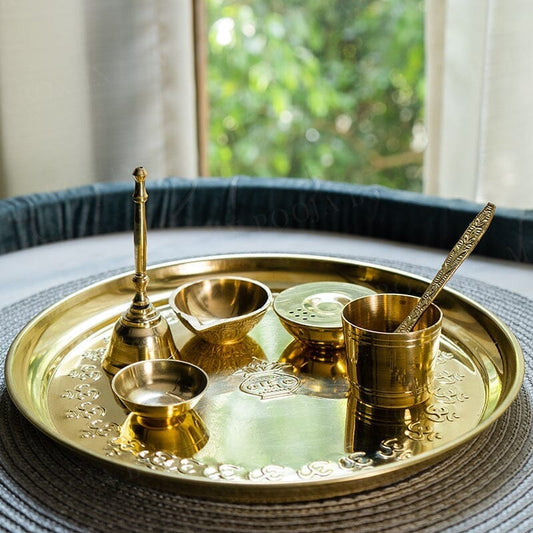

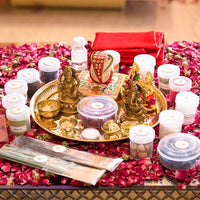
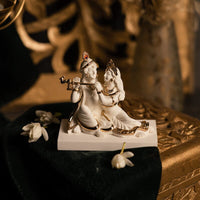













In Indian culture, Hindu deities have long been an integral part of spiritual and daily life. Their presence in home décor is not merely for aesthetic purposes but is deeply rooted in tradition, symbolism, and positive energy. The depiction of Hindu gods and goddesses in homes is seen as a way to invite divine blessings, promote peace, and establish a connection with spiritual values. Whether it’s through statues, paintings, or smaller decorative items, these divine figures are a visual reminder of the qualities they represent, from wisdom and strength to prosperity and protection.
In this blog, we will explore the meaning and symbolism behind some of the most common Hindu gods in home décor, explaining how they bring spirituality, positivity, and cultural identity to your living space.
The Role of Hindu Gods in Home Décor
Hinduism, one of the oldest spiritual traditions in the world, is rich in mythology, philosophy, and symbolism. Hindu gods and goddesses are often depicted in various forms across different mediums like statues, paintings, and even decorative items. These images are believed to bring divine protection, prosperity, and peace to the home.
In Hindu culture, it is common to welcome deities into the home through items that align with Vastu Shastra (an ancient Indian science of architecture), ensuring the space is imbued with positive energy. Additionally, the display of Hindu gods in the home often strengthens family values, promotes moral grounding, and celebrates cultural identity.
Now, let’s delve into some of the most common Hindu gods and their meanings in home décor.
1. Lord Ganesha – The Remover of Obstacles
Lord Ganesha, the elephant-headed god, is perhaps one of the most widely worshipped deities in Hinduism. Known as the Remover of Obstacles, Lord Ganesha is believed to bring prosperity, good luck, and success into the home. His image is commonly placed at the entrance of the house or in the study or office space to promote focus and remove barriers to progress.
Symbolism of Lord Ganesha:
-
Elephant Head: The elephant represents wisdom and the ability to clear obstacles.
-
Large Ears: Signifying the ability to listen, the large ears of Lord Ganesha encourage attentiveness and understanding.
-
Trunk: The trunk is a symbol of adaptability and the ability to overcome challenges with grace.
-
Mouse: Ganesha’s vehicle, the mouse, represents the ability to control desires and the importance of humility.
Why Ganesha in Home Décor?
Placing an image or statue of Ganesha at the entrance or in the work area ensures a smooth flow of energy and invites good fortune. His presence is believed to bring mental clarity, aid in new ventures, and remove any negative or stagnant energy.
2. Goddess Lakshmi – The Goddess of Wealth and Prosperity
Goddess Lakshmi, the goddess of wealth, prosperity, and abundance, is revered by millions across India. She is often depicted sitting on a lotus flower, showering gold coins and holding a lotus in one hand, symbolizing purity, beauty, and abundance.
Symbolism of Goddess Lakshmi:
-
Lotus: Represents purity, enlightenment, and the emergence of beauty and goodness in the world.
-
Coins: Symbolize prosperity, both material and spiritual.
-
Elephant Headed Remover of Obstacles: Ganesha is often depicted beside Lakshmi to invite both wealth and the removal of hindrances.
Why Lakshmi in Home Décor?
Incorporating Goddess Lakshmi into home décor, particularly in the living room or prayer room, invites wealth, prosperity, and good fortune. Many people place her image during Diwali, the festival of lights, as a symbol of wealth entering their home. It’s also common to place her in spaces where business or financial decisions are made, such as home offices or the dining area, to attract abundance.
3. Lord Shiva – The Destroyer of Evil and Protector
Lord Shiva is known as the destroyer and transformer in the Hindu trinity. He is a god of immense power, meditation, and transformation. Shiva is also associated with the power to remove negativity and bring forth peace and rejuvenation.
Symbolism of Lord Shiva:
-
Third Eye: Represents the ability to see beyond the physical world and attain higher knowledge.
-
Crescent Moon: Symbolizes time and the cyclical nature of existence.
-
Trident (Trishul): The trident represents the three aspects of divine energy: creation, preservation, and destruction.
-
Nandi (Bull): The sacred bull, Nandi, symbolizes strength and righteousness.
Why Shiva in Home Décor?
Lord Shiva’s images are often placed in spaces where emotional or spiritual growth is a priority. His symbolism of destruction signifies the removal of negative energies or outdated ways of thinking, making his presence ideal for creating peaceful and harmonious environments. His meditative and calm nature makes him an excellent choice for prayer rooms or spaces where one seeks spiritual growth and tranquility.
4. Lord Krishna – The Divine Protector and Teacher
Lord Krishna, revered for his divine playfulness, wisdom, and role as the protector of the world, is another beloved deity in Indian homes. Known for his flute-playing and his Bhagavad Gita teachings, Krishna symbolizes love, wisdom, and devotion.
Symbolism of Lord Krishna:
-
Flute: Symbolizes divine love and the call of the soul.
-
Peacock Feather: Represents beauty, knowledge, and transcendence.
-
Butter: Krishna’s love for butter reflects innocence, simplicity, and joy in the little things of life.
Why Krishna in Home Décor?
Lord Krishna’s presence in the home is believed to fill the space with love, devotion, and harmony. His playful yet wise nature brings joy to relationships and helps foster spiritual growth. Images or statues of Krishna playing his flute can be placed in areas where creativity, love, and devotion are nurtured—such as in the living room or study.
5. Saraswati – The Goddess of Wisdom and Knowledge
Goddess Saraswati, the goddess of wisdom, knowledge, and the arts, is an important figure in Indian culture, particularly in homes where learning, creativity, and growth are valued. Saraswati is often depicted seated on a swan or lotus with a veena (musical instrument) in her hands.
Symbolism of Goddess Saraswati:
-
Veena: Represents the harmony of music and the importance of intellectual knowledge.
-
Swan: Symbolizes discernment and the ability to separate knowledge from ignorance.
-
White Color: Saraswati’s white attire symbolizes purity and intellectual clarity.
Why Saraswati in Home Décor?
Placing an image of Goddess Saraswati in a study room, library, or creative space can inspire learning, creativity, and intellectual growth. She is often worshipped by students and professionals alike, especially before exams or new ventures, as her presence is believed to promote wisdom, creativity, and success.
6. Hanuman – The Symbol of Strength and Devotion
Lord Hanuman, the monkey god, is known for his unmatched strength, devotion, and courage. Revered for his selfless service to Lord Rama, Hanuman is a symbol of loyalty, strength, and protection.
Symbolism of Lord Hanuman:
-
Mace (Gada): Represents strength and the ability to protect oneself from negative forces.
-
Mountains: Represents the strength to overcome obstacles.
-
Monkey: Symbolizes humility, devotion, and the power of inner strength.
Why Hanuman in Home Décor?
Lord Hanuman is often placed in the living room or entrance of homes to protect the family from negative influences and to bring courage and strength in times of adversity. His image is also common in homes with children, as his love and devotion to Lord Rama serve as a reminder of loyalty and discipline.
Conclusion
Hindu gods and goddesses have profound symbolic meaning and play an important role in home décor. Through the presence of these deities, we invite positive energy, spiritual growth, and cultural significance into our homes. Whether it's Lord Ganesha to remove obstacles, Goddess Lakshmi to bring prosperity, or Lord Krishna to fill the space with love and joy, these divine figures bring harmony, blessings, and protection to our lives.