Skip to content

















Navami, the ninth day of Navratri, is a day of culmination, celebration, and devotion. It marks the final day of the nine-night festival dedicated to the worship of Goddess Durga and the victory of good over evil. On this day, devotees celebrate Goddess Durga in her full glory, or in some traditions, they honor Lord Rama as part of the Ram Navami celebrations, especially in regions where the focus shifts to his devotion to Goddess Durga.
Navami is the day when the energy and devotion built up over the past eight days reach their peak. It is the final step in the purification and spiritual growth process, making it the perfect time to end your Navratri fast with devotion and gratitude. Whether you are concluding your fast with a full feast or a light meal, the rituals and prayers of this day carry great significance in enhancing spiritual well-being.
In this blog, we will explore how to celebrate Navami by worshipping either Goddess Durga or Lord Rama, how to break your fast, and the significance of both fasting and rituals on this auspicious day.
The Spiritual Significance of Navami
Navami holds spiritual and symbolic importance, as it marks the end of the Navratri celebrations. It is a day that celebrates the triumph of Goddess Durga over the demon Mahishasura, symbolizing the victory of good over evil, light over darkness, and truth over falsehood. It is also a day of spiritual awakening and self-realization, offering devotees a chance to invoke divine blessings for health, prosperity, and protection.
-
Victory of Goddess Durga: Navami is especially significant for devotees who have been worshipping Goddess Durga throughout Navratri. The final day of the festival honors her victory and strength, and prayers on this day are believed to bring about the removal of obstacles and challenges.
-
Lord Rama’s Devotion: In some regions, particularly in the northern parts of India, Navami is also celebrated as Ram Navami, the day Lord Rama, the incarnation of Vishnu, was born. Devotees observe this day to honor Lord Rama’s devotion to Goddess Durga and his role in defeating evil forces, particularly Ravana.
-
Spiritual Fulfillment: After nine days of fasting, prayers, and rituals, Navami offers an opportunity for spiritual fulfillment. It is a day to reflect on the progress made during the festival and offer gratitude for the divine blessings received. The rituals and prayers on Navami are said to finalize the spiritual cleanse, bringing peace, harmony, and strength.
How to Worship Durga or Rama on Navami
On Navami, you can choose to worship either Goddess Durga or Lord Rama, depending on your tradition or personal devotion. Both forms of worship have their unique significance on this day.
1. Worshipping Goddess Durga on Navami
-
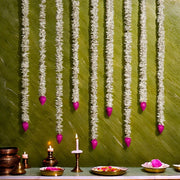
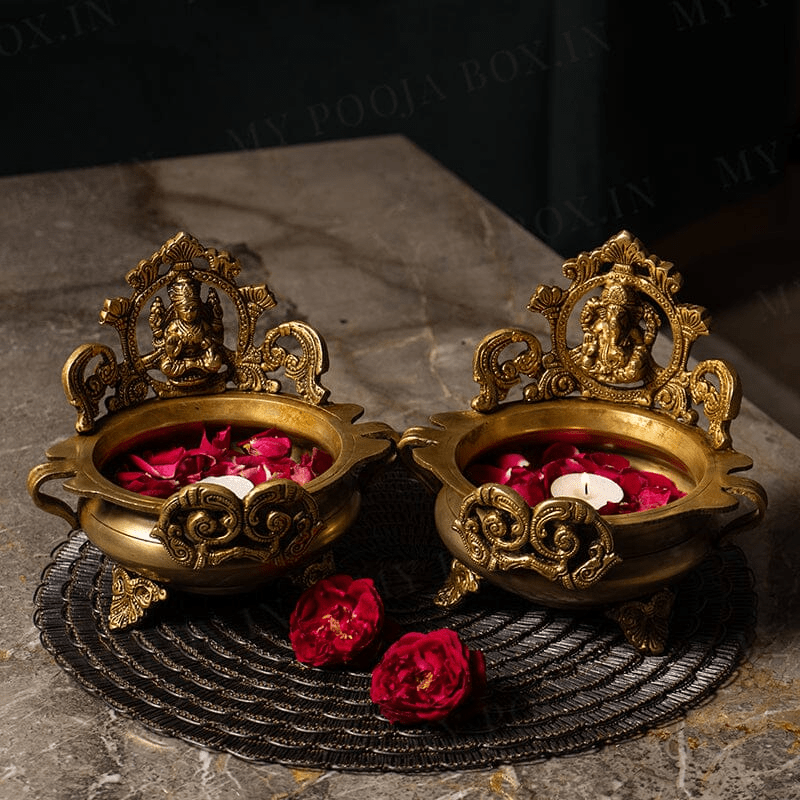
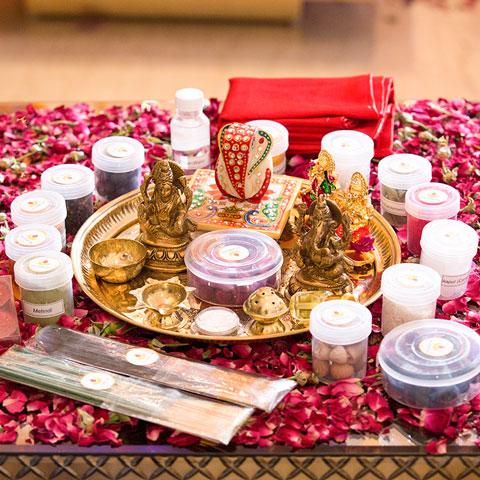
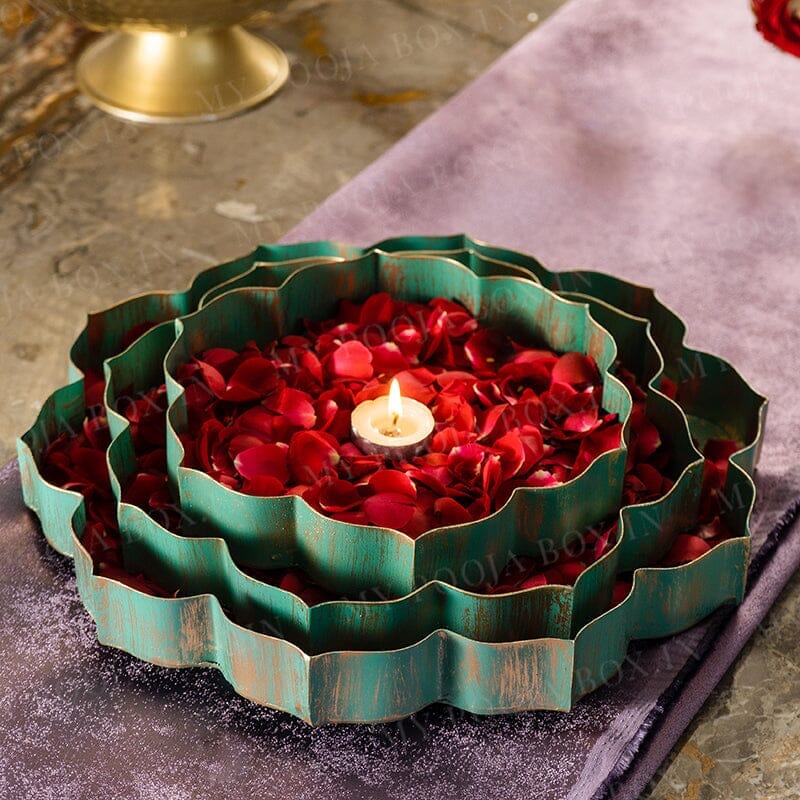
Set Up the Altar: Place an image or idol of Goddess Durga on a clean platform. Decorate the altar with fresh flowers, incense, and a diya (oil lamp). This sets the atmosphere for a focused and peaceful puja.
-
Offer Prayers and Mantras: Begin your puja by offering prayers of gratitude to Goddess Durga for the strength and guidance she has provided during the past eight days. You can chant the Durga Ashtakshara Mantra:
-
“Om Dum Durgayei Namaha” – This mantra is said to invoke the blessings of Goddess Durga, seeking her protection and strength.
-
Durga Saptashati: If possible, recite the Durga Saptashati (also known as Chandi Path), a sacred text that praises the goddess's power and divine qualities. It is believed to bring protection, blessings, and victory over adversities.
-
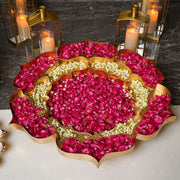
Offer Flowers and Fruits: Offer fresh flowers and fruits to Goddess Durga as a symbol of your devotion. Light incense and a diya to purify the space and invoke divine energy.
-
Prayers for Strength and Prosperity: Ask Goddess Durga for her blessings to overcome obstacles, improve health, and bring peace and prosperity to your life.
2. Worshipping Lord Rama on Navami
-
Set Up the Altar for Lord Rama: On this day, some devotees prefer to worship Lord Rama in celebration of his birth, as it is believed that Lord Rama was born on Navami. If you are choosing to honor Lord Rama, set up his idol or picture on your altar.
-
Offer Prayers and Mantras: Begin by offering prayers to Lord Rama, acknowledging his virtues-truth, righteousness, and devotion to duty. The most common mantra chanted on this day is:
-
“Om Sri Ramaya Namah” – This mantra honors Lord Rama and is said to invoke his blessings for peace, prosperity, and protection.
-
Chanting of Ramayan: Devotees can also recite portions of the Ramayana, particularly the Ram Raksha Stotra, a prayer that calls upon Lord Rama's protection and strength. This hymn is believed to safeguard the devotee from negative influences and dangers.
-
Offer Flowers and Fruits: Like with Goddess Durga, offer fresh flowers and fruits to Lord Rama as part of your puja. Light a diya (lamp) to symbolize the triumph of light over darkness, truth over falsehood.
3. Prayers for Health, Prosperity, and Protection
-
Regardless of whether you are worshipping Goddess Durga or Lord Rama, offer prayers for peace, protection from evil, prosperity, and spiritual strength. Pray for the removal of obstacles in your personal, professional, or spiritual life.
-
Prayers of Gratitude: Navami is also a day to express your gratitude for the blessings received during the nine days of Navratri. Reflect on your journey over the past week, acknowledging the progress you’ve made and offering thanks for the protection and guidance received from the goddess or Lord Rama.
Ending Your Navratri Fast on Navami
Navami is the day when you can conclude your Navratri fast, either by breaking your fast with a grand meal or a light meal, depending on how you’ve been fasting throughout the festival.
1. Breaking the Fast
-
Gentle Breaking: After a period of fasting, it’s important to break your fast gently. Start with light foods such as fruits, coconut water, or sweetened rice pudding (kheer). You can also have milk-based dishes, which are traditionally offered to the deities during Navratri.
-
Offer Prasad: After breaking your fast, share prasad (sacred food) with family and friends. Sharing prasad is a way of spreading the divine blessings you’ve received throughout the festival. It also reinforces the spirit of community and devotion.
2. Offering Thanks for Blessings
-
Once you’ve broken your fast, take a moment to express your gratitude for the spiritual growth and blessings received during the past nine days. Offer prayers of thanks for the strength, wisdom, and protection Goddess Durga or Lord Rama has provided.
-
Feasting with Family: In many homes, a celebratory feast is enjoyed on Navami after the completion of the fast. This is a time to gather with loved ones, enjoy delicious food, and rejoice in the divine presence of the goddess or Lord Rama.
3. Distribute Sweets and Prasad
It is customary to offer sweets or prasad to family, friends, and neighbors after breaking the fast. This signifies the sharing of divine blessings, and it is believed that doing so will multiply the spiritual and material benefits one receives from the fast.
The Spiritual Benefits of Observing Navami Fasting and Worship
Fasting and worship on Navami have numerous spiritual and mental benefits:
1. Spiritual Purification
Fasting is a way to cleanse the body and mind. It helps remove toxins from the system and focuses the mind on the divine. Navami fasting purifies the soul and prepares the devotee for spiritual advancement, promoting clarity, peace, and inner strength.
2. Protection from Negative Influences
Both Goddess Durga and Lord Rama are symbols of protection and strength. Fasting and prayers on Navami invoke their blessings, helping to remove negative influences, fear, and obstacles from life.
3. Mental Clarity and Focus
Fasting allows the mind to stay clear and focused, without the distractions of heavy foods. This clarity allows the devotee to connect more deeply with their spiritual practices, whether through prayers, mantras, or meditation.
4. Prosperity and Well-being
Worshipping Goddess Durga or Lord Rama on Navami is believed to bring prosperity, abundance, and success. The divine blessings of the deities ensure that the devotee experiences progress in their personal and professional life, along with peace and harmony.
How to Observe Navami Fasting as a Beginner
If you are new to fasting on Navami, here’s how to begin:
-
Set Up a Simple Altar: Place a picture or small idol of Goddess Durga or Lord Rama on a clean surface. Offer flowers and light a lamp.
-
Observe a Partial Fast: Start by avoiding grains, meat, and heavy foods. Stick to fruits, milk, and water.
-
Focus on Prayers: Chant the mantras and recite prayers dedicated to the deity you are honoring. Meditation and prayer are key to connecting with the divine energy of Navami.
Conclusion
Navami is the final day of Navratri, a day of celebration, devotion, and spiritual fulfillment. Whether you are worshipping Goddess Durga or Lord Rama, this day offers an opportunity to invoke divine blessings for strength, protection, and prosperity. Fasting and performing rituals on this day help purify the body, focus the mind, and deepen your spiritual connection.
As you conclude your fast, remember to share the blessings of Navami with others, rejoice in the divine presence, and carry the light of Goddess Durga or Lord Rama into your daily life. May your Navami be filled with peace, protection, and the abundant blessings of the divine.