








Holi 2026: Date, Holika Dahan Muhurat & Celebration Guide
Holi, the festival of colors, is one of the most eagerly awaited and vibrant celebrations in India and across the world. Known for its joyful spirit, dancing, and colorful revelry, Holi marks the arrival of spring and the victory of good over evil. The festival brings people together, regardless of age, caste, or creed, and encourages unity, harmony, and love.
In 2026, Holi will be celebrated with immense zeal and enthusiasm, just like every year. But this year, it's important to mark the exact date, Holika Dahan Muhurat, and how you can celebrate it with full devotion and joy. This guide will walk you through the Holi celebration details, from timing and rituals to safety tips and the best ways to enjoy the festival with family and friends.
When is Holi 2026?
In 2026, Holi will be celebrated on March 7, with the main festivities taking place in the evening and continuing into the next day. The celebration spans two days, with Holika Dahan on the evening of March 7 and Rangwali Holi (the festival of colors) on March 8, 2026.
Key Dates for Holi 2026:
-
Holika Dahan: March 7, 2026 (evening)
-
Rangwali Holi (Day of Colors): March 8, 2026
These dates represent the official celebration of Holi, but many people begin the festivities a day earlier by gathering with friends and family, preparing for the celebration, and preparing sweets and traditional food for the occasion.
Holika Dahan Muhurat for 2026
One of the most important and symbolic rituals during Holi is Holika Dahan, the ceremonial bonfire that represents the burning of evil and the triumph of good. Holika Dahan is performed the night before the main Holi festival to signify the victory of Prahlad, a devotee of Lord Vishnu, over the demoness Holika.
In 2026, the Holika Dahan Muhurat is:
-
Date: March 7, 2026
-
Time: 6:30 PM – 8:00 PM (Local time)
The bonfire is lit during this time, symbolizing the destruction of evil. Families gather around the fire, offer prayers, and celebrate together before the joyful festivities of Rangwali Holi the following day.
How to Perform Holika Dahan Rituals: A Step-by-Step Guide
Holika Dahan is an important ritual that marks the beginning of Holi celebrations. Here’s how you can perform the ritual with devotion and respect:
1. Setting Up the Bonfire
-
Collect Wood and Dry Leaves: Gather wood, dried leaves, cow dung cakes, and other biodegradable materials to build a bonfire. In some regions, large effigies of Holika are also created and set ablaze.
-
Prepare a Sacred Spot: Choose an open space or community area where the bonfire can be lit safely. Cleanse the area with water or flowers as a sign of purifying the space.
2. Lighting the Bonfire
-
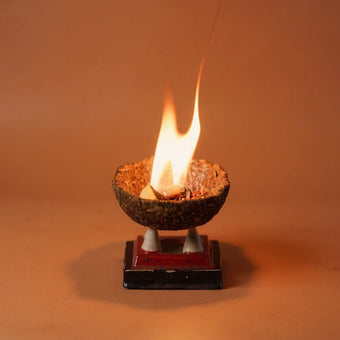
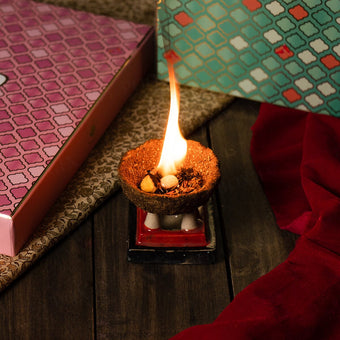
Light the Bonfire: At the muhurat time (6:30 PM – 8:00 PM), light the bonfire with the sacred flame. This ritual signifies the victory of good over evil and the burning of Holika, who symbolized evil.
-
Offer Prayers and Offerings: Stand near the bonfire, offer prayers to Lord Vishnu for protection, peace, and harmony. Offer sweets, fruits, and coconut to the fire as a gesture of gratitude.
3. Walk Around the Bonfire
-
Circumambulate the Bonfire: Walk around the fire seven times (or as per tradition in your region) to purify yourself and your home from negative energies. You can also chant mantras or devotional songs while walking around the bonfire.
4. Burning of Evil
-
In some regions, Holika’s effigy is burned as a symbolic act, showing the destruction of evil forces in your life.
5. Distribute Prasad
-
After the ritual, distribute the prasad (offered food) to your family and friends, as it is believed to carry divine blessings.
Rangwali Holi: The Festival of Colors
The following day, March 8, 2026, is Rangwali Holi, also known as the festival of colors. This is the part of the festival that most people eagerly anticipate, as it’s filled with joy, laughter, and of course, colors.
What to Expect on Rangwali Holi
-
Throwing Colors: People throw colored powders (gulal) and colored water at each other in a celebration of life and joy.
-
Dancing and Singing: Streets are filled with music, dancing, and celebration. Traditional Holi songs are sung, and communities come together to celebrate the spirit of togetherness.
-
Sweets and Festivities: It’s common to eat gujiya (a sweet dumpling), thandai (a sweet, spiced drink), and other traditional foods during the festivities.
Holi Safety Tips: How to Celebrate Responsibly
While Holi is all about fun, it’s essential to celebrate it safely. Here are some tips for having a safe and healthy Holi:
1. Use Organic Colors
-
Opt for natural colors made from flowers, herbs, and vegetable extracts to avoid harmful chemicals that can irritate the skin.
2. Protect Your Skin and Eyes
-
Apply oil or moisturizer on your skin before playing with colors to make it easier to wash off. Wear sunglasses to protect your eyes from colors.
3. Stay Hydrated
-
Drink plenty of water or thandai to stay hydrated throughout the day. Holi can be physically demanding, so maintaining hydration is crucial.
4. Be Mindful of Others
-
Be gentle when throwing colors, especially with children and elderly people. Avoid throwing water balloons or colors in the eyes and face.
5. Clean Up After Celebrations
-
After the festivities, ensure that you clean your environment. Dispose of the colors properly, and help maintain the community’s cleanliness.
Celebrate Holi with Joy, Love, and Blessings
Holi is more than just a festival; it’s a time to renew relationships, spread joy, and celebrate life. Whether it’s through the rituals of Holika Dahan, the vibrant colors of Rangwali Holi, or the sharing of love and sweets, this festival brings people together in unity and harmony.
By following the Holika Dahan Muhurat, performing the rituals with devotion, and celebrating safely, you can make this Holi 2026 a memorable and meaningful celebration.
May the colors of Holi fill your life with joy, peace, and prosperity, and may Maa Durga’s blessings be with you and your family as you celebrate the triumph of good over evil.