Skip to content


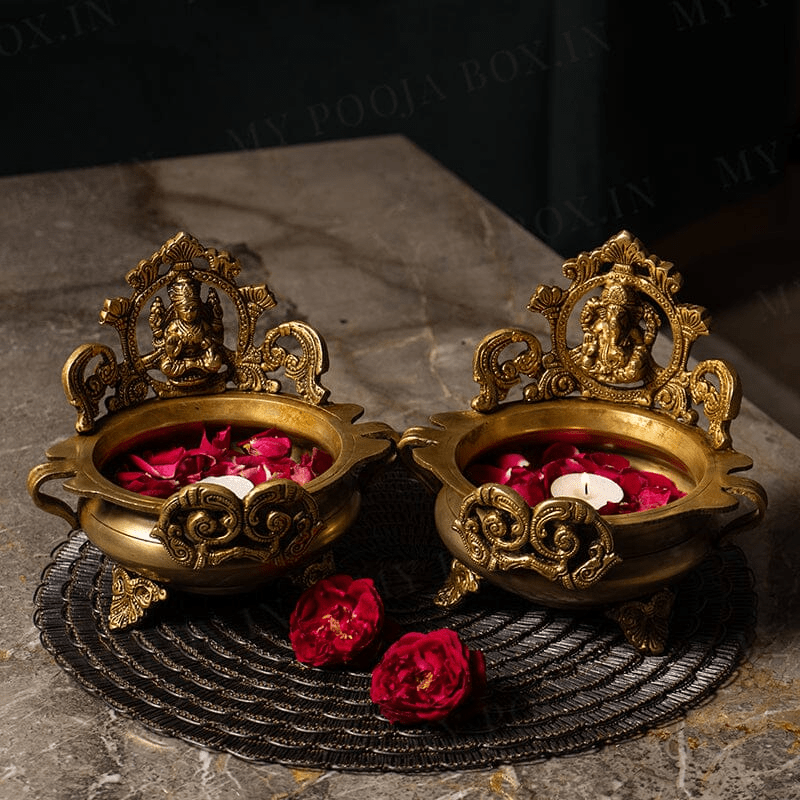


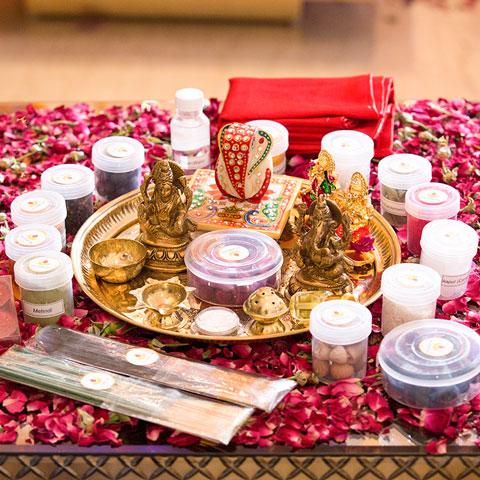











Chaitra Navratri is one of the most spiritually significant festivals in India, dedicated to the worship of Maa Durga and her various avatars. As part of the nine-day celebration, many devotees observe a fast as a form of devotion, purification, and spiritual growth. The fast during Chaitra Navratri is not just about abstaining from food but also about dedicating oneself to prayers, rituals, and self-discipline to invoke the blessings of Maa Durga for prosperity, health, and protection.
In this blog, we will discuss the rules of fasting during Chaitra Navratri-what to eat, what to avoid, and the spiritual significance of the fast. Whether you're observing a strict fast or following a fruit-based fast, this guide will help you maintain a balanced and devotional approach to fasting while ensuring you stay healthy and energized throughout the festival.
Fasting Rules for Chaitra Navratri: General Guidelines
Before diving into the specifics of what to eat and avoid, it's essential to understand the general fasting guidelines during Chaitra Navratri.
1. The Purpose of the Fast
The primary objective of fasting during Chaitra Navratri is to offer devotion and dedication to Maa Durga. The fast is a way to purify both the body and mind, helping you focus on the divine energies and spiritual growth. The fast is also a means of cleansing oneself from worldly distractions and intensifying your prayers and meditation.
2. Types of Fasts
-
Nirjala Vrat: Complete fasting where no food or water is consumed for the entire day. This is the strictest form of fasting.
-
Fruit Fast: A common practice where only fruits, dairy products, and roots are consumed. This helps maintain energy while still fasting.
-
Sabudana (Tapioca) and Singhara (Water Chestnut) fast: People consume foods made with sabudana and singhara flour as they are considered pure during the fast.
What to Eat During Chaitra Navratri Fasting
During Chaitra Navratri, the food consumed must be pure, light, and easy to digest to avoid disturbing your spiritual practice. Here’s a list of foods you can eat while observing the fast:
1. Fruits and Fresh Juices
-
Fruits such as apples, bananas, pomegranates, oranges, papaya, and grapes are allowed. You can also drink fruit juices (without sugar or artificial additives) to keep hydrated and energized.
-
Coconut water is also a great option to keep you refreshed and balanced.
2. Dairy Products
-
Milk, yogurt, and paneer (cottage cheese) are excellent sources of protein and calcium during the fast.
-
Lassi (sweet or salted) is also a good option to consume for energy.
3. Sabudana (Tapioca) Dishes
-
Sabudana khichdi or sabudana vada are popular dishes made from tapioca pearls and are permissible during the fast. They provide necessary carbohydrates and keep you full.
4. Singhara (Water Chestnut) Flour Dishes
-
Singhara flour is commonly used in the preparation of kachaudi or parathas during Navratri. It’s considered suitable for fasting, and dishes made from this flour are light yet filling.
5. Root Vegetables (Shakarkand)
-
Root vegetables such as sweet potatoes (shakarkand) and yams are permissible. They can be boiled or roasted and make a great side dish during the fast.
6. Dry Fruits and Nuts
-
Dry fruits like cashews, almonds, and pistachios can be consumed, but in moderation, as they provide essential nutrients.
-
Pistachios and watermelon seeds are often included in Navratri fasting dishes.
7. Khichdi and Porridge
-
Vrat Khichdi made with sabudana, singhara flour, or kuttu flour is an easy-to-digest dish and is rich in energy.
-
Kuttu ki Porridge is also a good option as buckwheat (kuttu) is an excellent source of protein and fiber.
8. Herbal Tea or Ginger Tea
-
You can drink herbal teas or ginger tea to cleanse your system and aid digestion. However, ensure the tea is without sugar or milk.
What to Avoid During Chaitra Navratri Fasting
While observing the fast, there are several foods and habits that should be avoided to maintain the purity of the ritual:
1. Non-Vegetarian Food
-
Meat, poultry, and fish are strictly prohibited during the fast. It is important to avoid these foods as they do not align with the spirit of purity during Chaitra Navratri.
2. Grains and Cereals
-
Rice, wheat, barley, and other common grains should be avoided. These are considered non-pure during the vrat and should not be consumed. Chickpeas and other pulses should also be avoided during the nine days.
3. Alcohol and Caffeine
-
Alcohol and caffeine (tea, coffee, or carbonated drinks) should not be consumed during Navratri. These substances disturb the spiritual energy and pureness of the fast.
4. Processed and Fried Foods
-
Foods like chips, sweets, and fried snacks made with refined flour or sugar are also prohibited. Processed foods do not align with the simplicity and purity of the fasting process.
-
Avoid sugar and artificial sweeteners during the vrat.
5. Onions and Garlic
-
Onions and garlic are considered tamasic (impure) in Ayurveda and are avoided during the fast. These should not be included in any dish prepared during Chaitra Navratri.
6. Salt (Regular Salt)
-
During the fast, you should avoid regular salt. Instead, use sendha namak (rock salt) as it is considered pure and suitable for fasting.
Tips for Staying Energized During the Fast
Fasting for nine days can be physically demanding, so here are a few tips to help you stay energized and maintain your spiritual focus:
-
Hydrate Well: Drink plenty of water, coconut water, and fruit juices to stay hydrated.
-
Eat Small Meals: Instead of having large meals, consume smaller portions of fruits, sabudana, and root vegetables throughout the day.
-
Rest and Meditate: Ensure you are getting enough rest. Use the time for meditation and prayer, which will not only keep you spiritually connected but also help maintain physical energy.
-
Avoid Overeating: Though it’s tempting to indulge in sweets and fried snacks that are allowed, it’s best to keep your meals light and balanced to avoid feeling sluggish.
Embrace the Spiritual Benefits of Fasting During Chaitra Navratri
Fasting during Chaitra Navratri is a way to purify the body and mind, while also strengthening your devotion to Maa Durga. By following the fasting rules-what to eat and what to avoid-you not only gain spiritual benefits but also support your overall well-being. The festival is a beautiful reminder of the power of devotion, sacrifice, and the goddess’s blessings in every aspect of life.
As you observe the vrat, remember that the key is to maintain the purity of the body and mind, while also seeking peace, prosperity, and protection through your prayers and rituals.
May this Chaitra Navratri 2026 bring divine blessings, health, and happiness to you and your loved ones. Keep the spirit of devotion alive, and enjoy this sacred time of spiritual growth.