










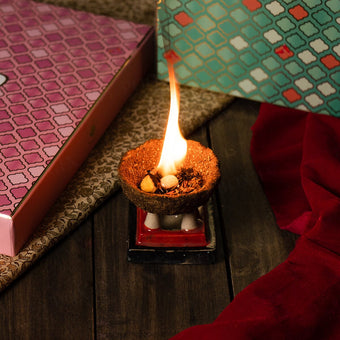











In Sanatan Dharma, prasad is not simply food, it is a divine blessing offered by the deity and received by the devotee. Every item of prasad carries spiritual energy, infused through the intention, devotion, and rituals performed during its offering. Taking prasad is not merely a casual act; it is a conscious ritual that symbolizes gratitude, devotion, and mindful connection with the divine.
One of the most common practices in temples and homes is receiving prasad with both hands. Though it may seem like a small detail, this gesture holds profound significance, reinforcing respect, humility, and spiritual discipline. Understanding why prasad is taken with both hands enhances the devotee’s mindfulness and deepens the spiritual experience.
1. Prasad: The Divine Offering

Prasad originates from the Sanskrit word meaning “grace” or “favor.” In Hindu rituals, prasad is first offered to the deity during puja, arati, or bhog. This offering transforms ordinary food into divine nourishment, carrying the deity’s blessings. By receiving prasad, devotees are symbolically accepting divine grace in their lives.
-
Spiritual Meaning: Prasad is considered pure and sanctified, representing the energy and blessings of the deity.
-
Mindful Practice: When receiving prasad, the devotee acknowledges that it is a gift of divine energy and not merely physical sustenance.
-
Reflective Insight: Every act of offering and receiving prasad strengthens the connection between the devotee and the divine, creating a sacred rhythm in daily life.
This spiritual context forms the foundation for why both hands are used; it is a gesture of reverence and acknowledgment of the divine energy contained in prasad.
2. Using Both Hands: A Gesture of Respect and Devotion

Receiving prasad with both hands is an intentional act that demonstrates respect and humility. Using both hands symbolizes attentiveness and acknowledges the sanctity of the offering. It is not simply a practical habit but a conscious spiritual practice that engages the devotee fully in the ritual.
-
Symbolic Significance: Both hands together represent mind and body aligned in devotion, signaling a complete surrender to the divine.
-
Practical Significance: The act prevents careless handling of prasad, emphasizing that sacred offerings are treated with dignity and care.
-
Modern Application: Even in contemporary settings, such as home pujas or temple visits, using both hands fosters presence and mindfulness during the act of receiving.
Reflecting on this gesture allows devotees to appreciate the discipline and awareness inherent in traditional rituals.
3. Aligning Body and Mind

Taking prasad with both hands is also about aligning the body and mind. The physical action of using both hands encourages the devotee to slow down, become present, and treat the moment as sacred.
-
Mindfulness: This action promotes full engagement, reminding the devotee that receiving prasad is not an automatic or mundane task.
-
Focus: By consciously using both hands, the body and mind work in unison, reinforcing spiritual intention.
-
Reflection: The simple act of using both hands cultivates an awareness that spreads beyond the ritual, influencing daily interactions and habits with care and mindfulness.
The practice exemplifies a broader principle in Hindu rituals: small gestures carry deep spiritual meaning when performed with intention.
4. Inviting Divine Energy
Prasad is a channel of divine energy. By receiving it correctly with both hands devotees consciously invite blessings into their lives. This practice emphasizes that spiritual rituals are not passive; they require active participation and awareness.
-
Energy Reception: Both hands help to absorb and internalize the energy contained in prasad, reinforcing its sanctity.
-
Conscious Gratitude: The gesture reminds devotees to be grateful for the blessing they receive, whether it is material or spiritual.
-
Spiritual Growth: Regularly practicing mindful reception strengthens the inner connection to the divine, reinforcing faith and devotion over time.
This conscious approach transforms an ordinary act into a ritual of spiritual empowerment, making every bite of prasad a meditation in gratitude and presence.
5. Building Discipline and Awareness
Repeatedly receiving prasad with both hands is a disciplinary practice. Over time, it cultivates humility, patience, and spiritual awareness, which are essential aspects of Hindu devotional life.
-
Ritual Consistency: Small habitual actions like this develop self-discipline, which extends to other spiritual and personal practices.
-
Behavioral Influence: Mindful handling of prasad teaches respect for all sacred actions and reinforces ethical awareness.
-
Long-term Impact: These small rituals gradually shape character, emphasizing devotion, reverence, and mindfulness in daily life.
Through consistent practice, devotees experience subtle yet meaningful changes in perception, patience, and inner peace.
6. Psychological and Spiritual Benefits
Beyond spiritual symbolism, taking prasad with both hands also provides psychological benefits. It slows down the act, encourages mindfulness, and strengthens gratitude practices, which are known to improve emotional well-being.
-
Reduces Mindless Action: By focusing on the gesture, devotees are less likely to act mechanically, fostering attentiveness.
-
Enhances Presence: The physical and mental engagement improves concentration and spiritual awareness.
-
Boosts Gratitude: Recognizing prasad as a blessing enhances feelings of contentment and positive energy.
Thus, the practice of using both hands is aligned with the broader goals of meditation and mindfulness, which Shiv Ji and other sages emphasized.
7. How to Practice Mindfully Today
Even for modern devotees, the practice can be incorporated easily:
-
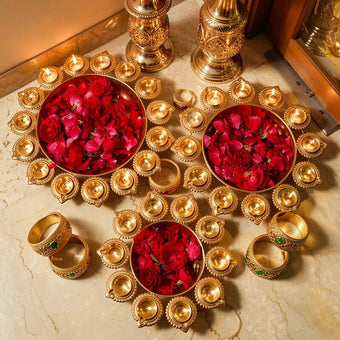
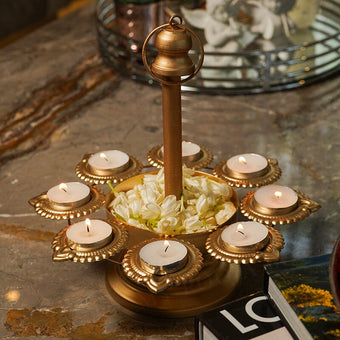
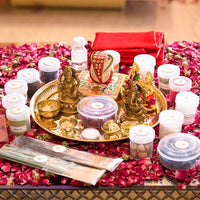
Prepare Your Space: Light a diya, arrange offerings, and create a sacred atmosphere.
-
Use Both Hands Consciously: Receive prasad slowly, acknowledging its divine origin.
-
Internal Reflection: Focus on gratitude, connection, and intention while receiving.
-
Incorporate Mantra or Prayer: Chant a simple prayer such as “Om Shri Ganeshaya Namah” or “Om Namah Shivaya” to enhance devotion.
-
Extend Mindfulness: Let the awareness and presence cultivated here influence your daily actions and interactions.
Even small actions performed with conscious attention carry profound spiritual weight.
The Deeper Meaning
Receiving prasad with both hands is a simple yet powerful ritual. It represents respect, mindfulness, alignment of body and mind, and conscious reception of divine energy. Beyond tradition, it strengthens discipline, gratitude, and spiritual awareness in daily life.
By practicing this gesture mindfully, devotees transform an everyday ritual into a sacred, empowering experience. Each small action reinforces humility, devotion, and connection with the divine, reminding us that spirituality is woven into the smallest moments of life.