















When we gather before an altar, our hands naturally reach for fresh flowers, fragrant pastes, and sacred sweets to lay at the deity's feet. But have you ever wondered why specific items are considered non-negotiable when worshipping Lord Ganesha?
In Vedic traditions and Agama Shastras (ancient texts governing temple rituals), ritual offerings (Upacharas) are far more than traditional gestures. They are precise tools of spiritual science. Each offering acts as a bridge, transforming physical substances into subtle energetic vibrations that align our internal psychology with the divine presence of Ganpati Bappa.
Understanding the deep symbolism and scriptural origins behind these offerings transforms a simple daily puja into a profound, intentional practice.
1. Durva Grass (Desmodium triflorum): The Science of Simplicity and Purification

While grand deities are often worshipped with rare gems and exotic blossoms, Lord Ganesha’s absolute favorite offering is humble, wild Durva grass (specifically three- or five-leaf blades tied in bundles).
-
Scriptural & Mythological Origin: According to the Ganesha Purana, a formidable demon named Anasura (the demon of agony and distress) threatened to swallow the cosmos. Lord Ganesha consumed the demon whole to protect creation. However, the heat generated inside Ganesha’s stomach was unbearable. When celestial remedies failed, sages offered Him 21 blades of cool Durva grass. The grass absorbed the excess heat immediately, restoring His peace.
-
Spiritual & Psychological Symbolism: Durva grass grows relentlessly, even in harsh conditions, symbolizing resilience and unyielding faith. Offering Durva signifies surrendering our internal heat anger, envy, and worldly anxieties to the divine, inviting purity and calmness into our minds.
-
Ayurvedic Connection: In traditional Ayurveda, Durva grass is renowned for its cooling (Pitta-pacifying) and detoxifying properties, aligning perfectly with its ritual role as a spiritual cooling agent.
2. Modak: The Geometry and Nectar of Divine Consciousness

No picture of Lord Ganesha is complete without a bowl of Modaks steamed or fried rice-flour dumplings filled with fresh coconut and jaggery.
-
Scriptural Meaning: The word Modak derives from Moda, which translates directly to "joy" or "delight."
-
The Symbolism of Its Shape: The conical, tear-drop shape of a Modak is a visual metaphor for the journey of self-realization:
-
The Outer Shell: The plain, doughy exterior represents the physical body and disciplined practice (Sadhana).
-
The Tip: The narrow top point represents the sharp, focused intellect needed to pierce through life's distractions.
-
The Inner Core: The sweet, aromatic filling inside represents Ananda the supreme, sweet bliss of spiritual realization that resides within us all.
3. Red Hibiscus (Japapushpa): Activating Root Energy and Courage

While different deities prefer different flowers, Lord Ganesha has an intrinsic connection to the Red Hibiscus.
-
Color Vibration & Energy: In subtle energy work and Tantric tradition, red is the color of the Muladhara (Root) Chakra, the energy center located at the base of the spine, governed by Lord Ganesha Himself. The Muladhara Chakra rules stability, security, grounding, and physical vitality.
-
Spiritual Significance: Offering a vibrant red hibiscus stimulates courage and removes fear. The open petals of the flower symbolize a heart unfurling in complete devotion, free from hesitation or doubt.
4. Sandalwood Paste (Chandan): Cooling the Intellect

The soft application of Sandalwood paste (Tilak) onto Ganesha’s forehead and onto our own brow after prayers is one of the most serene parts of any ritual.
-
The Essence of Purity: Sandalwood is unique because it imparts its sweet fragrance even to the blade of the axe that cuts it, symbolizing unconditional grace and forgiveness.
-
Spiritual Significance: Applied at the Ajna Chakra (the third-eye center between the eyebrows), Chandan cools the brain, calms an overactive nervous system, and enhances concentration during meditation. It serves as a gentle reminder to maintain an even, cool head amid life's chaotic demands.
5. Bananas & Jaggery: Abundance and Sweetness in Relationships

Fresh fruits, especially ripe yellow bananas along with raw jaggery (Gur), are foundational elements of traditional Ganesha Nivedyam (food offerings).
-
Sacred Abundance: Bananas are unique because every part of the plant is useful, and the tree reproduces without relying on seeds. This makes the banana a timeless symbol of self-generating prosperity, fertility, and continuous growth.
-
Spiritual Significance: Jaggery represents unrefined, pure sweetness. When offered together, bananas and jaggery signify our desire to cultivate sweet, harmonious, and conflict-free relationships within our families and communities.
6. The Coconut (Sriphal): Shattering the Ego to Uncover Truth

Breaking a coconut at the start of a venture or during a sacred puja is a powerful ritual observed across the Indian subcontinent, particularly before Lord Ganesha.
-
Anatomy of the Human Self:
-
The Hairy Husk: Symbolizes our external desires, material attachments, and worldly distractions.
-
The Hard Shell: Represents the stubborn human ego (Ahamkara) and rigid mental habits.
-
The White Meat & Pure Water: Symbolizes the pristine, unblemished soul (Atman) hidden within.
-
Spiritual Significance: When you break a coconut before Bappa, you are intentionally declaring, "I break my ego and surrender my false pride, revealing the pure sweetness of my inner self to the divine."
Summary Guide: The Spiritual Toolkit for Your Ganesha Puja
|
Offering |
Primary Element |
Spiritual Benefit / Meaning |
|
Durva Grass |
Earth / Water |
Cools anger, removes obstacles, promotes humility |
|
Modak |
Sweetness / Ether |
Symbolizes inner bliss and the reward of discipline |
|
Red Hibiscus |
Fire / Energy |
Activates the Root Chakra, brings strength and clarity |
|
Sandalwood |
Earth / Aroma |
Soothes the mind, enhances focus and third-eye clarity |
|
Bananas & Jaggery |
Nourishment |
Fosters harmony, prosperity, and sweet relationships |
|
Coconut |
Pure Self |
Shatters false ego, unveils inner spiritual purity |
How to Conduct a Mindful Offering at Home
To make your daily worship more meaningful, follow these simple steps during your next puja:
-
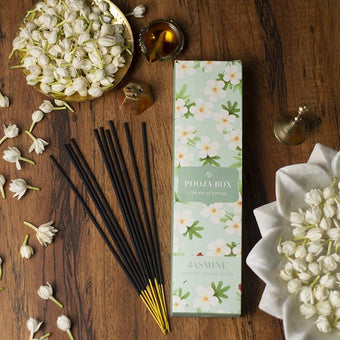
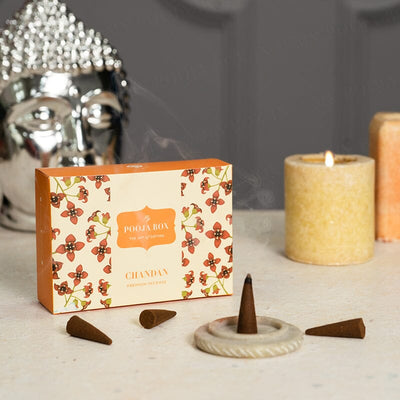
Cleanse Your Space: Light a natural incense stick or spray sandalwood water to clear the air.
-
Offer with the Right Hand: In Vedic customs, the right hand represents positive, giving energy. Offer flowers and grass gently at the feet of the idol.
-
Meditate on the Meaning: As you place the Durva grass or offer the Modak, pause for a moment to internalize its meaning, ask Bappa to cool your mind or grant you the discipline to reach inner sweetness.
Elevate Your Worship with Authentic Essentials
Understanding the deeper layers behind these traditional offerings transforms ritual into a conscious act of devotion. Every piece of grass, flower, and sweet becomes an intentional step toward personal growth and peace.
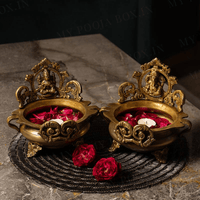
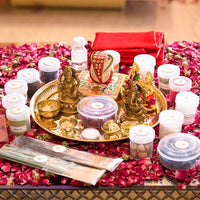
At My Pooja Box, we are dedicated to preserving the purity of these traditions. Explore our collection of eco-friendly Ganpati idols, handcrafted brass puja thalis, pure sandalwood powders, and brass oil lamps to create a tranquil sanctuary in your home.