











Have you ever wondered why Lord Ganesha has large fan-like ears, or why a grand, powerful deity chooses to ride upon a tiny mouse?
To the casual observer, the unique physical form of Ganpati Bappa is iconic and instantly recognizable. But in Hindu iconography, physical features are never merely artistic choices they are intentional spiritual blueprints. Every single detail of Ganesha’s posture, weapons, sweet treats, and physical attributes carries a masterclass in living a wise, balanced, and purposeful life.
By decoding these visual teachings, we can transform simple daily devotion into an empowering guide for personal growth, emotional maturity, and spiritual awareness.
1. Big Ears: Listen More, Speak Less

Lord Ganesha’s broad, prominent ears (Suparna) deliver a crucial directive for navigating a noisy, fast-paced world: true wisdom begins with attentive listening.
-
Filter the Noise: In ancient traditions, Ganesha's ears are compared to winnowing baskets (Soopa) used to separate grain from chaff. They remind us to absorb essential truth, constructive advice, and spiritual wisdom while letting superficial gossip and negativity fall away.
-
Cultivate Empathy: Wisdom cannot enter a mind that is constantly talking or waiting to react. By listening deeply to others, we build patience, emotional intelligence, and genuine understanding.
2. Small Eyes: Focus Within and Look Beyond Appearances

While Ganesha’s ears are expansive, His eyes are remarkably small, sharp, and concentrated. This intentional contrast points toward internal clarity and acute focus:
-
Look Deeper, Not Wider: Instead of being constantly distracted by external visual clutter, His small eyes remind us to look past superficial surface details and examine the true essence of situations.
-
Cultivate Inner Vision: Sharp, focused eyes encourage introspection, mindfulness, and the sharp concentration required to see through life's illusions (Maya) and achieve genuine self-realization.
3. The Trunk: Power Combined with Adaptability

An elephant’s trunk is one of nature’s most miraculous tools strong enough to uproot a giant tree, yet delicate enough to pick up a single blade of grass. Lord Ganesha’s flexible trunk symbolizes unyielding strength paired with supreme adaptability:
-
Bend Without Breaking: Life presents unpredictable shifts and sudden obstacles. A rigid mind fractures under pressure, whereas an adaptable mind bends, adjusts, and continues moving forward.
-
Balance Strength and Softness: True inner strength is not loud or aggressive. The trunk teaches us to know when to exert firm, protective boundaries and when to offer gentle, compassionate care.
4. The Mouse: Keeping the Ego and Desires Under Control

One of the most striking paradoxes in Indian art is the massive, majestic body of Lord Ganesha seated comfortably above a tiny mouse (Mooshak).
The mouse represents our unbridled desires, wandering thoughts, and ego qualities that, if left unmonitored, quietly nibble away at our mental peace like a rodent in a storehouse:
-
Mastery Over Desire: By riding the mouse, Ganesha demonstrates that a wise individual sits firmly on top of their desires rather than letting desires drag them around.
-
Conquering the Ego: It teaches us to tame our vanity and pride, keeping our rational intellect firmly in the driver's seat so we govern our impulses rather than being ruled by them.
5. The Modak: The Sweet Reward of Sadhana

In His lower left hand, Bappa lovingly holds a sweet, golden modak. This cherished delicacy represents the ultimate fruit of spiritual practice (Sadhana) and disciplined living:
-
Hard Shell, Sweet Core: Just as a modak features a plain, tough outer dumpling concealing a sweet jaggery and coconut filling, self-discipline and hard work may feel demanding initially, but they yield immense sweetness and peace in the end.
-
Reward for Persistence: It serves as a comforting reminder that patience, devotion, and sustained effort always culminate in profound fulfillment.
6. One Single Tusk: Embrace Imperfection and Sacrifice

Lord Ganesha is universally revered as Ekadanta (the single-tusked one). According to sacred lore, He broke off His own tusk to use as a stylus when writing the epic Mahabharata as Sage Vyasa recited it, refusing to pause the holy work.
This single broken tusk conveys two life-changing lessons:
-
Purposeful Sacrifice: Personal sacrifices made in the pursuit of knowledge, duty, or the greater good are never wasted; they leave a lasting legacy.
-
Embrace Imperfection: Physical flaws or past setbacks do not lessen your inherent worth. Ganesha teaches us to embrace our unique imperfections and turn our broken places into powerful tools of purpose.
7. The Four Arms: Mastering the Four Quadrants of Life
Most depictions of Lord Ganesha feature four arms, which represent the four internal faculties of the human mind (Antahkarana): Mind (Manas), Intellect (Buddhi), Ego (Ahamkara), and Conscience (Chitta).
His four hands hold symbolic tools to help us master these faculties:
-
The Axe (Pasha/Ankusha): Cuts away unhealthy attachments, toxic habits, and negative ties that pull us down.
-
The Noose (Pasha): Pulls us closer to truth and binds us to spiritual discipline.
-
The Abhaya Mudra (Raised Palm): Offers fearlessness, protection, and reassurance that you are always divinely guided.
-
The Modak or Lotus: Represents supreme wisdom and the ultimate reward of liberation.
8. The Large Belly: Digesting Life's Pleasures and Pains
Ganesha’s prominent, rounded belly (Lambodara) carries a profound lesson in emotional resilience:
-
Absorb Everything with Grace: An elephant's stomach can hold vast amounts. Symbolically, Ganesha's large belly represents the capacity to digest and process everything life throws at us both the sweet praise and the bitter criticism, the joyful victories and the challenging losses.
-
Maintain Emotional Balance: Instead of reacting impulsively to every external event, we are encouraged to absorb, process, and retain our inner composure.
Practical Mindset Shifts Inspired by Bappa
Bringing the symbolism of Lord Ganesha into your daily life doesn't require complex rituals. You can practice these simple daily habits:
-
Practice Active Listening: In your next meeting or family conversation, focus entirely on listening without preparing your counterargument.
-
Master Your Mouse (Desires): Notice when an impulsive desire or ego-driven thought arises during your day, pause, and regain control before reacting.
-
Adapt Like the Trunk: When a plan falls apart or delays happen, take a breath and look for an alternative, flexible path forward rather than getting frustrated.
Bring Divine Wisdom into Your Sacred Space
Understanding the deep symbolism behind Lord Ganesha turns every view of His idol into an inspiring reminder of wisdom, balance, emotional mastery, and inner strength.
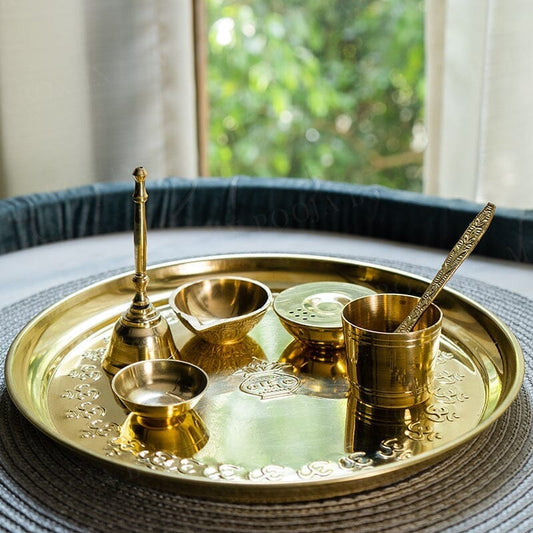
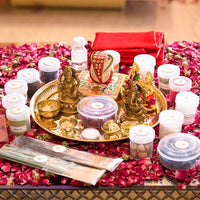
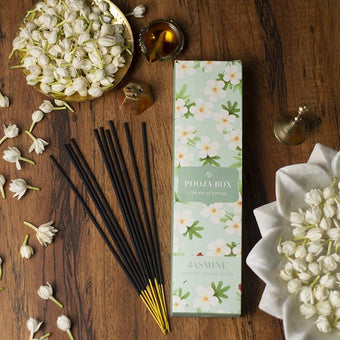
We offer eco-friendly Ganpati idols, handcrafted brass statues, elegant thalis, and natural incense to help you create a serene, sacred sanctuary in your home for Ganesh Chaturthi and daily worship. Explore our full range of spiritual offerings at My Pooja Box to welcome Bappa’s grace into your living space.