
































Guru Purnima is due to be celebrated on 29 July in 2026. The importance and significance of Guru Purnima is not just restricted to one, but to three of the most widely practiced religions in India. Namely, Hinduism, Buddhism and Jainism. As the name might suggest, the festival is celebrated to honor the teachings and efforts made by our gurus/teachers. Afterall, without the knowledge instilled into our minds, we’d be nothing but flesh and bones.
The celebrations for Guru Purnima are not just restricted to literal teachers and sadhus. Afterall, anyone can be a teacher, whether it’s your mother who taught you how to walk or your friend who taught you an instrument or a sport. This is the original “teacher’s day”. The teacher’s day we hear about now was only established in 1962. So, it’s safe to say Guru Purnima is where it all began.
While the importance of guru Purnima is common to all religions, the origin stories are unique. The original guru Purnima stories from Hinduism, Jainism and Buddhism have been listed below for your reference.
The Story Of Guru Purnima In Buddhism -

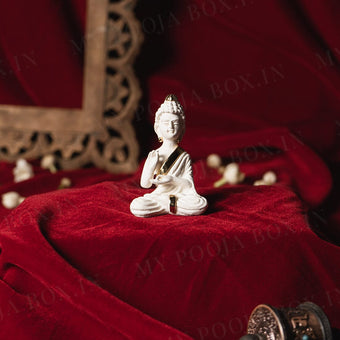
It is believed that on this is day, Lord Buddha gave his very first sermon. This was done 5 weeks after Lord Buddha achieved enlightenment under the now famous Bodhi tree. The sermon was given on a full moon day and ever since his first sermon, his followers have worshipped him with devotion and have dedicated this day to him. Afterall, he was the first of the famous gurus and his teachings helped shape the country and the people within it for the better.
However, that is the story of Guru Purnima in Buddhism. In Hinduism and Jainism, the story of Guru Purnima goes a bit differently.
The Story Of Guru Purnima In Hinduism -
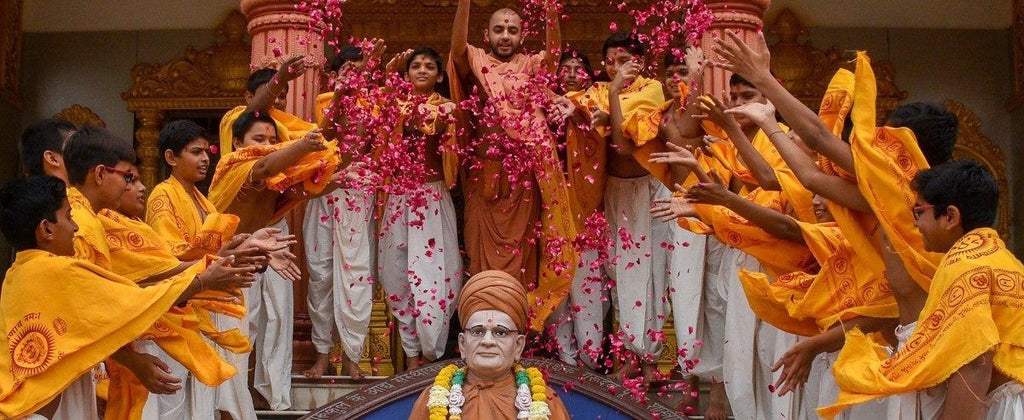
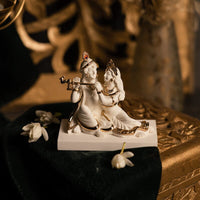
As Hindu mythology states, Guru Purnima is thought to be the day Lord Shiva transferred his knowledge to seven followers or “saptarishis”. As a result, Lord Shiva came to be known as a guru as well. Ever since, Hindu’s have celebrated Guru Purnima in the honor of both lord Shiva, his teachings and the seven saptarishis.
Fun Fact: Did you know Guru Purnima is also known as Vyasa Purnima? This is because it is widely believed that the auspicious day of Guru Purnima, is the day Ved Vyasa was born. If you don’t know, Ved Vyasa is the author of the Mahabharata. Hence the name, Vyasa Purnima.
The Story Of Guru Purnima In Jainism -

As far as Jainism is concerned, it is believed that on the day of Guru Purnima, Mahavira, easily one of the most famous Tirthankaras in Jainism, got his very first follower. As a result, he officially came to be known as a guru. Ever since, people practicing Jainism have celebrated this day in the honor of Mahavira and all the other gurus that followed after him.
The Celebrations Of Guru Purnima -

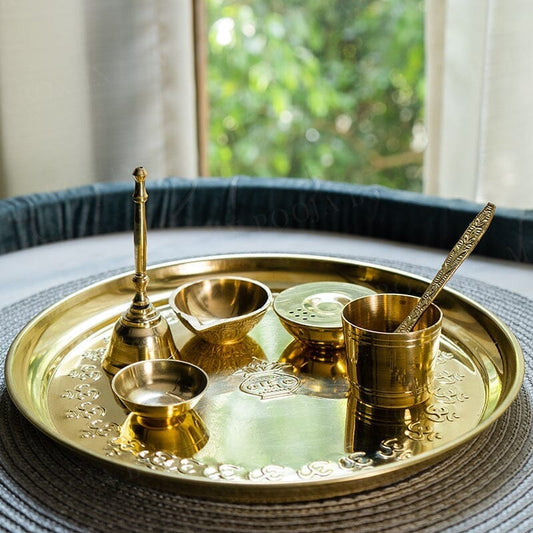
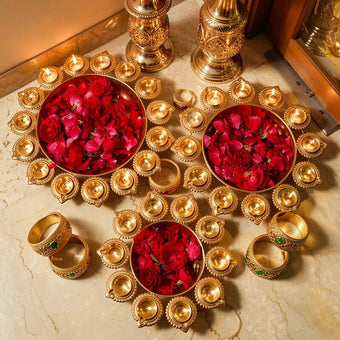
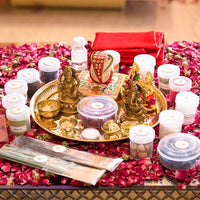
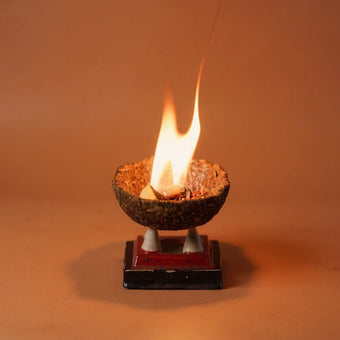
Like all Indian festivals, Guru Purnima is celebrated with a bang! Not with firecrackers, but with a lot of food, a lot of color and a lot of vigor. The day usually begins with people conducting poojas in honor of their guru’s and teachers, be it Lord Buddha, Shiva, Mahavira, your mom or your teacher. The guru pooja can be conducted at home or at a temple depending upon how you choose to celebrate. Either style is considered auspicious as long as the prayers and celebrations are conducted with belief and devotion. Schools all over the country take this festival as an opportunity to host shows that include plays, dances and music in honor of the schoolteachers. In some schools, alumina’s are also called back to reconnect with the ones who helped them get where they are now.
So, take this day to show your appreciation to everyone you learnt something from. It’ll surely put a smile on their face. Afterall, the teachers want the students to succeed just as much as the students want to succeed themselves, maybe even more…
Importance of Guru Purnima
Guru Purnima is not just about honoring traditional teachers or spiritual leaders, but also about acknowledging anyone who has taught you something valuable in life.
-
Why is Guru Purnima Important?
-
Guru Purnima is often considered the original Teacher’s Day, long before the modern Teacher’s Day was officially recognized in 1962.
-
The festival is a way of honoring those who have helped shape our lives with their teachings, whether they are mothers, friends, or professionals.
-
It is a day of gratitude and devotion to all those who have played the role of a teacher in your life.
-
Who Can Be a Guru?
-
A guru is not just a formal teacher or a spiritual guide; it can be anyone who has contributed to your learning journey.
-
From your parents teaching you life skills to a friend teaching you an instrument or a mentor guiding you in your career, every person who imparts wisdom holds the essence of a guru.
How Is Guru Purnima Celebrated?
Guru Purnima is celebrated with great enthusiasm across India, and its celebrations vary depending on the region and the religion. However, the essence remains the same honoring the teachings of the gurus.
1. Poojas and Rituals
-
People conduct poojas (prayers) in honor of their gurus, whether they are spiritual leaders, teachers, or personal mentors.
-
The pooja can be done at home or in a temple, depending on the tradition followed.
2. School Celebrations
-
Schools and colleges celebrate Guru Purnima with special events, such as plays, dances, and musical performances to honor their teachers.
-
Alumni are sometimes invited back to schools to reconnect with their mentors and teachers.
3. Celebrating Guru Purnima at Home
-
Many families celebrate the day with a family pooja, where everyone offers thanks to their teachers and expresses their gratitude.
-
Gifts like books, journals, and spiritual idols are often presented to teachers and mentors as a token of appreciation.
Conclusion: Honoring the Gurus in Our Lives
Guru Purnima is not just about honoring religious or spiritual leaders; it’s a day to appreciate all the gurus in our lives who have helped us grow, learn, and achieve our goals. From Lord Buddha’s first sermon to Lord Shiva’s teachings to the first follower of Lord Mahavira, Guru Purnima is rich in spiritual and cultural significance across various religions.
Celebrate Guru Purnima by paying tribute to your gurus, whether they are family members, teachers, or spiritual guides. Show your gratitude and keep the cycle of learning and teaching alive.
Wishing you a blessed Guru Purnima filled with knowledge, wisdom, and gratitude.