

























Panchami, the fifth day of the lunar fortnight, is a significant day in Hinduism, particularly when it falls on Nag Panchami. This day is dedicated to the worship of snakes (Nag), which are revered as sacred creatures in Hindu tradition. Nag Panchami is observed on the fifth day of the Shukla Paksha (waxing phase) in the month of Shravan (July-August), although its significance extends to various regions and communities where the worship of serpents is believed to bring protection, prosperity, and blessings.
Nag Panchami worship and fasting practices are considered auspicious for seeking divine blessings and spiritual growth. This day offers devotees a chance to honor the Nag Devtas (serpent deities), pray for the removal of obstacles, and safeguard themselves from harmful energies.
In this blog, we will explore the spiritual significance of Panchami, the rituals associated with Nag Panchami, the benefits of fasting on this day, and how you can observe this sacred occasion to invite blessings for health, wealth, and prosperity.
The Spiritual Significance of Panchami and Nag Panchami
Panchami holds spiritual importance due to its association with the five elements (earth, water, fire, air, and ether) and their connection to the cosmic energies that govern life. When combined with Nag Panchami, the day takes on an even more profound meaning as it is dedicated to the worship of snakes, which are deeply revered in Hindu mythology and culture.
-
Nag Devtas (Serpent Deities): In Hinduism, snakes are considered powerful and divine creatures that symbolize life, protection, and the cycle of creation and destruction. Nag Devtas are often associated with Lord Shiva, who wears the serpent as an ornament around his neck. The snake represents both fear and power, and it is believed that worshipping Nag on this day can bring blessings of protection from danger, harm, and negative energies.
-
Snake Worship: The worship of snakes dates back to ancient times in India, with references to serpent deities found in Vedic texts and other scriptures. The Nag Panchami festival is observed to honor these sacred creatures, seeking their protection and blessings for peace and prosperity in life.
-
Lord Shiva and Vasuki: Lord Shiva is often depicted with a serpent coiled around his neck, which symbolizes the control over powerful forces and the ability to destroy evil. The serpent Vasuki, who plays a significant role in many mythological stories, is revered on this day. Worshipping Lord Shiva along with Nag Devtas on Panchami is believed to ensure divine protection.
Nag Panchami Rituals: How to Worship on Panchami
Nag Panchami is observed with various rituals that honor Nag Devtas and seek their blessings. Here's a step-by-step guide on how to perform the rituals on this auspicious day:
1. Preparation for the Day
-
Set Up a Sacred Space: The first step in preparing for Nag Panchami is to clean the place where the worship will take place. This could be your home or a temple. Cleanliness is essential as it invites positive energies into the space.
-
Install a Snake Idol or Image: A snake idol or image (often of Lord Shiva with a serpent) is placed on a clean altar. If you do not have a statue or image of a snake, you can draw a serpent design with rice flour or chalk. The serpent is believed to have a sacred presence, and by honoring it, you invite its divine blessings.
-
Offerings: Prepare offerings of milk, honey, raw sugar, and water for the Nag Devtas. These offerings are traditionally given as they are considered pure and are beloved by snakes in mythology.
2. Prayers and Mantras for Nag Panchami
-
Recite the Nag Panchami Mantras: Chanting specific mantras on this day is believed to invoke the blessings of Nag Devtas and Lord Shiva. The most common mantra is:
-
“Om Nagaaya Namah” – This mantra is dedicated to all serpent deities, seeking their blessings for protection and peace.
-
Offer Prayers to Lord Shiva: As the lord who symbolizes the power of destruction and regeneration, Lord Shiva's blessings are often sought on this day as well. You can chant the Maha Mrityunjaya Mantra or the Om Namah Shivaya mantra to invite protection, health, and spiritual growth.
-
Prayers for Removal of Obstacles: Nag Panchami is an auspicious time to pray for the removal of obstacles and difficulties in life. The worship and prayers performed on this day are believed to clear the way for success and well-being.
3. Offer Milk and Sweets to the Snakes
-
Offer Milk: Milk is considered a sacred offering for snakes. Traditionally, milk is poured over the snake idol or image as a sign of respect and devotion. If you are performing the ritual in a temple or near an actual snake, some devotees offer milk and sweets directly to the snake.
-
Offer Sweets: Prepare sweets like raw sugar or sweetened rice and offer them to the snakes or snake idols. This symbolizes your devotion and gratitude toward the Nag Devtas.
4. Light a Lamp (Diya)
-
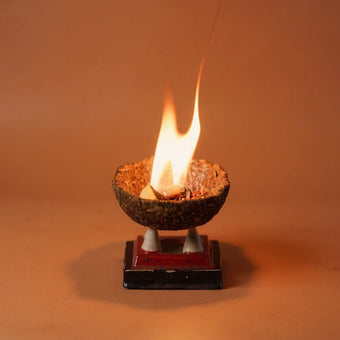
Lighting a Diya: Light a ghee lamp (diya) and place it in front of the snake idol or image. The flame represents the dispelling of darkness, the removal of negative energies, and the enlightenment of the mind.
5. Meditate and Focus on the Divine
-
Meditation: After completing the offerings and prayers, take some time to meditate. Focus on Lord Shiva or the serpent deity, offering gratitude for protection, wisdom, and guidance. This is a time for self-reflection and cultivating inner peace.
Fasting on Nag Panchami: A Spiritual Practice
Fasting on Nag Panchami is a powerful way to purify the body and mind, increase devotion, and invite divine blessings. Many devotees choose to observe partial or full fasting on this day. Here’s how you can observe fasting during Nag Panchami:
1. Observing the Fast
-
Partial Fast: Many devotees fast by abstaining from grains, meat, and heavy foods. You may choose to consume only fruits, milk, and water. This allows you to cleanse your body while maintaining energy levels throughout the day.
-
Full Fast: A more dedicated fast may involve abstaining from both food and water. This type of fast is considered to purify the body and soul more deeply and is believed to offer greater spiritual benefits.
2. Benefits of Fasting
-
Purification of the Body: Fasting helps detoxify the body by allowing it to cleanse itself of impurities. It is also said to boost the immune system, improve digestion, and bring vitality.
-
Mental Clarity and Focus: Fasting clears mental fog, allowing for improved concentration and focus on prayers and spiritual practices. It is believed to help devotees stay spiritually connected and disciplined.
-
Devotion and Surrender: By fasting, you show your dedication to the ritual and your devotion to Lord Shiva and the Nag Devtas. It is a form of surrender, signifying your readiness to receive divine blessings.
3. Breaking the Fast
-
Gentle Break: After completing the prayers and rituals, you can break the fast by consuming light foods like fruits, coconut water, or sweetened rice. It is important to break the fast gently to avoid disturbing the digestive system.
-
Offer Prasad: After breaking the fast, share the prasad (sacred food) with family members or neighbors as a gesture of goodwill and to spread divine blessings.
How to Observe Nag Panchami for Beginners
If you're new to Nag Panchami, here’s a simple way to get started:
-
Install a Small Snake Idol or Image: Begin by setting up a small Ganesha or serpent idol at your home. You can keep the rituals simple by offering flowers and chanting mantras.
-
Offer Simple Offerings: You don’t have to prepare elaborate food offerings. Start by offering milk or water, light a diya, and offer simple prayers to the serpent deity.
-
Begin with Partial Fasting: If fasting is new to you, begin with a partial fast. Avoid grains, meat, and heavy foods, and consume light vegetarian fare like fruits and milk.
-
Chant the Nag Panchami Mantra: Start by chanting the Nag Panchami mantra or the Maha Mrityunjaya Mantra for protection and blessings.
Conclusion
Nag Panchami is a deeply spiritual day dedicated to worshipping Nag Devtas and seeking their protection, prosperity, and guidance. By observing the rituals and fasting practices associated with this day, devotees cleanse their body and mind, invite divine blessings, and enhance their spiritual growth. Whether you are offering milk to a snake idol, fasting, or meditating on Lord Shiva, Nag Panchami provides the perfect opportunity to connect with divine energies, remove obstacles, and bring peace and prosperity into your life.