



























Tritiya, the third day of the lunar fortnight, holds immense significance in Hinduism. It is a day dedicated to devotion, spiritual growth, and seeking divine blessings through fasting and rituals. Like many other important lunar days, Tritiya is an occasion for renewal, reflection, and deeper spiritual connection. It is widely observed by devotees who seek blessings for health, prosperity, wisdom, and protection.
In this blog, we will explore the importance of Tritiya, the rituals associated with this sacred day, the benefits of fasting, and how this observance can lead to personal and spiritual growth.
The Spiritual Significance of Tritiya
Tritiya holds special spiritual meaning in Hinduism as it is associated with divine energies that help remove obstacles, purify the mind, and promote spiritual elevation. The third day of the lunar cycle is considered a time for aligning oneself with higher cosmic energies and engaging in practices that bring about peace, prosperity, and strength.
Here are a few key reasons why Tritiya is spiritually significant:
-
Divine Blessings: On Tritiya, devotees seek the blessings of various deities depending on the specific lunar month. The rituals performed on this day are believed to invite divine protection and blessings for the devotee’s physical and spiritual well-being.
-
Symbol of Strength and Courage: In Hindu mythology, Tritiya is associated with various mythological events, including the worship of deities who represent strength, protection, and courage. It is seen as a day to invoke these qualities in one’s life, helping devotees overcome challenges and adversities.
-
Purification and Spiritual Growth: The third day is an opportunity to cleanse oneself of negative influences, both internal and external. By engaging in devotion and fasting, one seeks to purify the soul and enhance spiritual awareness, setting a strong foundation for growth.
The Purpose of Worship on Tritiya
Worship on Tritiya is an essential practice, allowing devotees to connect with divine energies and seek blessings for a prosperous life. Here are some key aspects of the worship performed on this sacred day:
1. Worship of Lord Vishnu and Goddess Lakshmi
Tritiya is often dedicated to Lord Vishnu and Goddess Lakshmi, both of whom are widely revered for their association with protection, wealth, and prosperity. On this day, devotees offer prayers and perform rituals to seek their divine grace.
-
Lord Vishnu: Known as the preserver of the universe, Lord Vishnu is worshipped to seek his protection and blessings. Chanting the Vishnu Sahasranama (1000 names of Vishnu) and reciting the mantra "Om Namo Bhagavate Vasudevaya" is a common practice on this day to invoke Lord Vishnu’s blessings.
-
Goddess Lakshmi: As the goddess of wealth and prosperity, Goddess Lakshmi is revered on Tritiya for financial well-being and material abundance. Offering prayers, chanting the Lakshmi Ashtakshara Mantra ("Om Shreem Maha Lakshmayei Namaha"), and lighting lamps are common practices to honor her.
2. Offering Gratitude and Seeking Protection
Tritiya is also a day to offer gratitude for the blessings of the past and seek divine protection for the future. Devotees pray for the removal of obstacles and challenges in their lives and seek blessings for success, peace, and well-being. This makes Tritiya an ideal time for making resolutions, setting intentions, and performing prayers that align with one’s goals.
3. Chanting Mantras and Reciting Stotras
Devotees often engage in chanting sacred mantras and reciting stotras (hymns) dedicated to the deities of the day. These chants help elevate the mind and spirit, drawing the devotee closer to divine energies. The most commonly chanted mantras on Tritiya include:
-
Vishnu Gayatri Mantra: "Om Namo Bhagavate Vasudevaya"
-
Lakshmi Ashtakshara Mantra: "Om Shreem Maha Lakshmayei Namaha"
-
Maha Mrityunjaya Mantra: A mantra of healing and protection that is often chanted for overcoming obstacles and improving health.
Fasting Practices on Tritiya
Fasting on Tritiya is considered a way to purify the body, mind, and soul. It is a spiritual practice that strengthens discipline, devotion, and self-control. Fasting on this day holds several benefits:
1. Spiritual Detoxification
Fasting is believed to help purify the body by removing toxins and negative energies. By abstaining from food, especially grains and heavy foods, the body undergoes a spiritual cleanse. This purification allows the devotee to feel lighter, more focused, and spiritually aligned.
-
Physical Benefits: Fasting aids in detoxifying the digestive system and improving overall health. It helps regulate bodily functions, boosts energy levels, and promotes vitality.
-
Mental Benefits: By refraining from food, the mind is less distracted, allowing one to focus on prayers, meditation, and other spiritual practices. Fasting helps clear mental fog, improve concentration, and reduce stress.
2. Enhancing Devotion
Fasting on Tritiya is a form of devotion to the deities worshipped on this day. The act of fasting symbolizes sacrifice, humility, and the surrender of the self to the divine. This act of devotion is believed to invite divine blessings and protection for the individual and their family.
3. Building Discipline and Self-Control
Fasting is not just a physical act; it is a spiritual practice that builds self-control and discipline. By refraining from food, devotees strengthen their willpower and develop a deeper sense of dedication to their spiritual practices. The discipline learned through fasting can be applied to other aspects of life, helping the devotee stay focused and aligned with their goals.
4. Fasting for Specific Goals
Many devotees observe fasting on Tritiya to fulfill specific wishes or goals. It is believed that by fasting with a focused intention and performing rituals, one can manifest their desires-whether it be for wealth, success, peace, or health.
-
Fasting for Wealth: Those seeking prosperity often dedicate their fast to Goddess Lakshmi, hoping for abundance and material success.
-
Fasting for Protection: Others fast for spiritual growth and to seek protection from obstacles or negative influences in their lives.
How to Observe Tritiya: A Step-by-Step Guide
If you are new to observing Tritiya, here’s a simple guide to help you follow the rituals and fasting practices effectively:
1. Preparation for the Day
-
Set Your Intentions: Before beginning the day, set clear intentions for what you want to achieve through fasting and worship. Whether it's spiritual growth, success in your career, or the removal of obstacles, intention setting helps you stay focused.
-
Choose the Right Time: Perform your rituals early in the morning, ideally at sunrise. The early hours are considered the most auspicious time for prayer and fasting.
2. Fasting Rituals
-
Partial Fast: If you are new to fasting, you can begin with a partial fast. Avoid grains, meat, and heavy foods, and consume fruits, water, or milk.
-
Water and Fruits: Drink plenty of water throughout the day to stay hydrated. You may also consume fruits like apples, bananas, and coconuts to keep your energy levels up.
3. Offer Prayers and Mantras
-
Offer Water and Flowers: Start the day by offering water and fresh flowers to the deity of the day. Light a lamp or incense stick to symbolize your devotion.
-
Chant Sacred Mantras: Chant the mantras dedicated to Lord Vishnu or Goddess Lakshmi. You can also recite the Vishnu Sahasranama or the Lakshmi Ashtakshara Mantra.
4. Perform Puja and Meditation
-
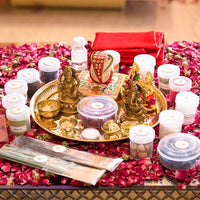
Simple Puja: Perform a simple puja by offering fruits, flowers, and incense to Lord Vishnu or Goddess Lakshmi. Take time to meditate, focusing on your intentions and asking for divine blessings.
-
Self-Reflection: Use the day to reflect on your life and express gratitude for the blessings you have. This will help you cultivate a deeper spiritual connection.
5. Breaking the Fast
-
Gentle Break: Break your fast gently with light food such as fruits or a small portion of rice. Offer gratitude for the blessings received.
6. Share Prasad
-
Sharing Prasad: It is customary to share prasad (sacred food) with family or friends as a gesture of spreading the divine blessings. This practice reinforces the concept of community and shared abundance.
Conclusion
Tritiya is a sacred day that offers an opportunity to connect with divine energies, honor deities, and purify the body and mind through fasting and worship. By observing Tritiya with devotion, discipline, and the right intentions, you can invite blessings of prosperity, protection, and spiritual growth into your life.
Whether you're seeking material success, better health, or spiritual enlightenment, Tritiya provides the perfect opportunity for renewal. Through fasting, prayer, and self-discipline, you will experience profound spiritual benefits and a deeper connection with the divine.