

























The Power of Ashtami: Fasting and Worshiping Goddess Durga During Navratri
Ashtami, the eighth day of Navratri, is one of the most significant and powerful days of the entire festival. This day is dedicated to worshipping Goddess Durga in her form as Mahagauri (the eighth form of Durga), who represents purity, peace, and spiritual strength. Ashtami is often considered the peak of the Navratri celebrations and holds immense spiritual importance. It is a time when devotees engage in fasting, prayers, rituals, and self-discipline to honor the goddess and seek her blessings for strength, protection, and prosperity.
In this blog, we will explore the spiritual significance of Ashtami, the fasting practices associated with the day, and how worshipping Goddess Durga on this auspicious occasion can help you connect with her divine energy, remove obstacles, and elevate your spiritual growth.
The Spiritual Significance of Ashtami and Goddess Durga
Ashtami, the eighth day of Navratri, holds a special place in the hearts of devotees as it marks the culmination of the first phase of the festival. It is believed that Goddess Durga, in her fierce form, destroyed the demon Mahishasura on this day, symbolizing the triumph of good over evil. The day is often referred to as Mahashtami due to its association with the goddess's powerful victory.
-
Goddess Durga’s Protection: Goddess Durga is worshipped as a warrior goddess who fights against evil forces. Ashtami is a time to invoke her protection, strength, and courage. By fasting and praying to her on this day, devotees seek her divine blessings for overcoming challenges and obstacles in their lives.
-
Symbol of Purity and Strength: Goddess Durga’s form on Ashtami is also seen as a symbol of purity, strength, and spiritual growth. Her fierce battle against Mahishasura represents the destruction of inner demons, negative influences, and ego. Worshipping her on Ashtami allows devotees to eliminate mental and emotional blockages, fostering inner peace and clarity.
-
Spiritual Awakening: Ashtami is considered an auspicious time for spiritual awakening. It is believed that observing fasting and performing rituals on this day accelerates one’s spiritual progress, purifies the mind, and aligns the soul with higher energies.
How to Observe Fasting on Ashtami
Fasting on Ashtami is a deeply spiritual practice that helps devotees focus their energy on devotion and prayer. While fasting, the goal is to cleanse the body and mind and align oneself with the divine energy of Goddess Durga. There are various ways to observe fasting on Ashtami, depending on personal choice and level of devotion.
1. Mental and Physical Preparation
-
Set Your Intentions: Before starting the fast, set clear intentions for the day. Whether you are fasting for spiritual growth, protection, or seeking blessings for prosperity, mental preparation helps you stay focused and aligned with your goals.
-
Cleanse Your Space: Just as you cleanse your body through fasting, it’s important to purify the space around you. Clean the area where you will perform your puja and rituals, creating a peaceful and sacred environment.
2. Types of Fasting
-
Partial Fast: Most devotees observe a partial fast on Ashtami, consuming fruits, milk, and nuts while avoiding grains, meat, and other heavy foods. This type of fast allows you to sustain your energy levels while focusing on prayers and rituals.
-
Full Fast: Some devotees choose to observe a complete fast, abstaining from both food and water. This form of fasting is believed to purify the body and elevate the soul. However, it is important to consult with a healthcare provider if considering a full fast, especially if it is for the first time.
-
Fasting with Fruits and Milk: For a balanced approach, many devotees opt for fasting with fruits, milk, and light foods such as nuts. These foods are considered sattvic (pure) and help nourish the body while keeping the focus on the spiritual practices of the day.
3. Perform the Ashtami Puja and Offer Prayers
-
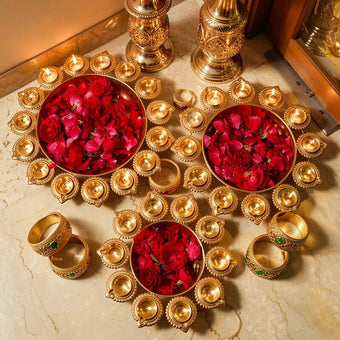
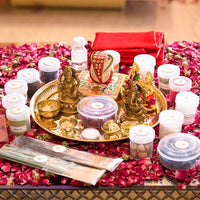
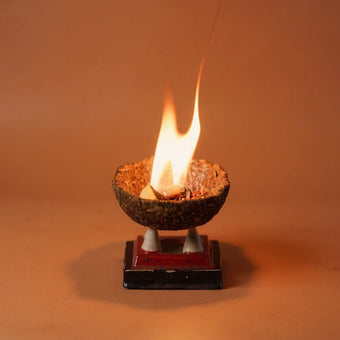
Set Up the Altar: Place an idol or image of Goddess Durga on a raised platform or altar. Decorate the altar with fresh flowers, and light a lamp or diya to invite divine energy into your space. If you have a small Durga idol, place it facing east or north.
-
Offer Flowers and Incense: Offer fresh flowers like marigolds or roses to Goddess Durga, which symbolize purity and devotion. Light incense sticks to purify the air and invite positive energy into the space.
-
Recite the Durga Stotra: Chant the Durga Saptashati (also called Chandi Path), a powerful text dedicated to Goddess Durga. The stotras glorify her strength, protection, and ability to destroy negative forces. Reciting these stotras with devotion can invoke her blessings for peace and prosperity.
-
Mantras for Ashtami: The most commonly recited mantra on Ashtami is:
“Om Dum Durgayei Namah” – This mantra is dedicated to invoking the blessings of Goddess Durga and seeking protection from all harm. -
Offer the Foods: During the puja, offer the fasting foods-fruits, milk, and nuts-to Goddess Durga. These offerings are a way to show gratitude and devotion to the goddess. It is also believed that by offering the best of what you have, you receive her divine grace in return.
4. Engage in Meditation and Reflection
-
Meditation on Goddess Durga: After completing the puja, sit in a calm position and meditate on Goddess Durga’s fierce form. Visualize her as a powerful and protective deity, radiating divine energy. Reflect on her qualities of strength, courage, and purity, and allow her blessings to fill your mind and soul.
-
Self-Reflection: Use Ashtami as a time to reflect on your life, identify obstacles, and seek guidance from Goddess Durga. Fasting helps to clear mental clutter, making it easier to connect with the divine.
5. Breaking the Fast
-
Gentle Breaking of the Fast: After the puja and prayers, break your fast gently. Start with fruits, milk, or a simple dish like kheer (sweet rice pudding). These light foods are easy to digest and symbolize the offering of your devotion to Goddess Durga.
-
Share Prasad: After breaking your fast, share the prasad (sacred food) with family and loved ones. Sharing prasad is a way of spreading the blessings of Goddess Durga and ensuring that her divine grace continues to flow through your home.
The Spiritual Benefits of Fasting on Ashtami
Fasting on Ashtami brings both physical and spiritual benefits, including:
1. Spiritual Cleansing
Fasting helps purify the mind and body, creating space for divine energy. Ashtami fasting accelerates spiritual progress by eliminating distractions and allowing you to focus on your devotion to Goddess Durga. It is believed that fasting removes negative energies and helps devotees reconnect with their higher self.
2. Inner Strength and Protection
Ashtami fasting helps invoke the strength and protection of Goddess Durga. Devotees fast to gain the courage and wisdom to overcome challenges, both externally and within themselves. It is also believed that fasting and prayer on this day create a protective shield, guarding the devotee from harm.
3. Physical Detoxification
Fasting allows the body to detoxify by cleansing the digestive system and removing toxins. Consuming fruits and milk ensures that the body remains nourished while allowing it to rest and rejuvenate. The physical detox helps improve energy levels and promotes better overall health.
4. Focused Devotion and Purification
Fasting fosters devotion and self-discipline, two essential qualities for spiritual growth. By observing the fast with sincerity, you show your dedication to Goddess Durga and strengthen your connection with the divine. The purity of mind, body, and soul enhances your spiritual experience and invites divine blessings into your life.
How to Observe Ashtami Fasting as a Beginner
If you're new to fasting on Ashtami, here’s a simple way to begin:
-
Start with Simple Rituals: Set up a small altar with a Durga idol, offer fresh fruits, and light a lamp. You don’t need to perform elaborate rituals at first; start with basic prayers and a sincere offering.
-
Partial Fasting: Begin by observing a partial fast, where you abstain from grains, meat, and heavy foods. Stick to fruits, milk, and light vegetarian food to nourish the body while focusing on devotion.
-
Pray and Meditate: Even if you are not fasting completely, take time to pray and meditate on Goddess Durga. Focus on her divine attributes and reflect on her strength and protection.
Conclusion
Ashtami is one of the most powerful days during Durga Puja, dedicated to worshipping Goddess Durga and invoking her blessings for protection, strength, and spiritual growth. Fasting on this day is a deeply purifying and spiritual practice that helps devotees connect with the goddess, clear obstacles from their lives, and invite divine energy into their hearts and homes.