





























Do you know that there comes a Ganesh Chaturthi vrat every month of the year? Yes, you read it right.
The Hindu calendar observes Ganesh Puja every month. In common terms, it is famous as Sankashti Chaturthi. You may not be knowing about it, but the festival is celebrated all across India.
Sakat Chauth or Sankashti Chaturthi falls on the fourth day (in Hindi it is called Chaturthi) as per Hindu calendar in each month’s Krishna Paksha.
As stated earlier, the celebration is dedicated to Lord Ganesha. The people of Maharashtra celebrated it with great zeal. When we go into the South, then we find that people call it by different names such as Sankat Hara Chaturthi, Angraki Chaturthi, Sankatahara Sathurthi and so on.
Meaning of Sankashti

Sankashti is a Sanskrit word that translates to “rescue from troubles”. The significance of this vrat lies in the belief that by worshipping Lord Ganesha—who is known as the Vighnaharta (the remover of obstacles)—all our problems, difficulties, and troubles can be eradicated.
By observing the Sankashti Chaturthi Vrat, devotees seek peace, prosperity, and happiness in their lives. Lord Ganesha, through this vrat, blesses them with the strength to overcome obstacles and achieve their goals.
Significance of Sankashti Chaturthi Vrat

This vrat is observed twice every month and holds deep spiritual significance for devotees. It is often performed by those seeking prosperity, family growth, and the removal of obstacles.
-
For Couples: Sankashti Chaturthi is particularly significant for couples who wish to seek blessings for progeny and the well-being of their family.
-
Moon Worship: The vrat is performed after sighting the moon (Chandra Darshan) in the evening, which marks the completion of the fast.
In some regions, it’s also known by different names such as Sankat Hara Chaturthi, Angraki Chaturthi, or Sankatahara Sathurthi.
Sankashti Chaturthi Fasting Procedure or Vrat Vidhi

Are you going to observe this fast? You should know the exact procedure associated with it. We have simplified it for you. Let’s take a look at given vrat vidhi for Ganesh Puja on Sankashti Chaturthi.
Step 1
-
Get Up Early: Begin the day by waking up early and preparing for the puja.
-
Observing the Fast: Devotees observe a partial or strict fast throughout the day, depending on their ability. The fast generally includes consuming only fruits especially those grown under the ground, like root vegetables (e.g., potatoes and sweet potatoes), sabudana khichdi, and peanuts.
Step 2
-
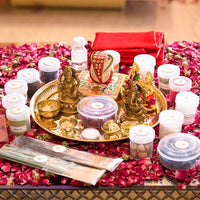
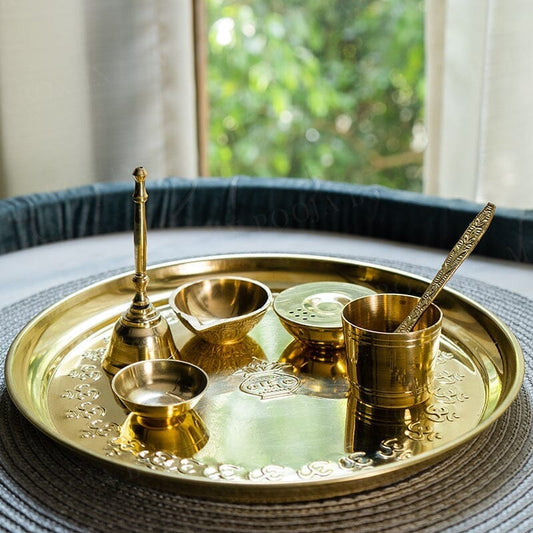
Prepare the Puja Thali: By evening, prepare your puja thali with essential offerings for Lord Ganesha.
-
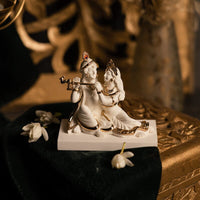
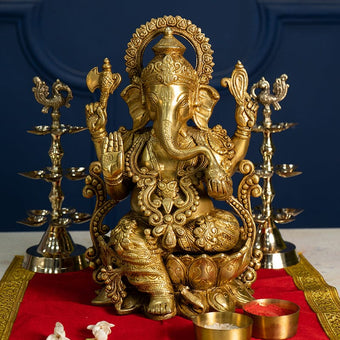
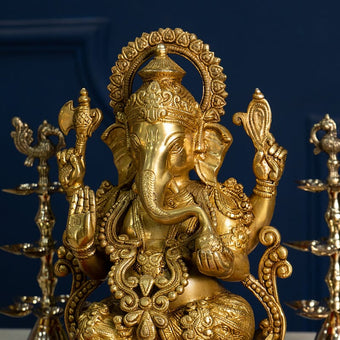
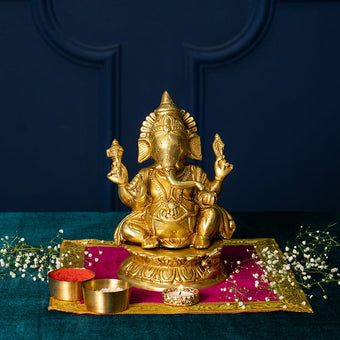
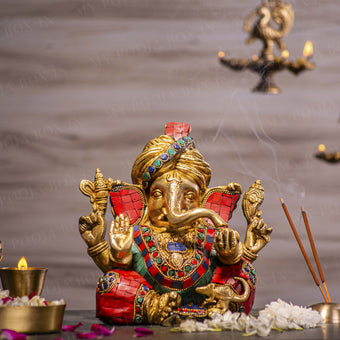
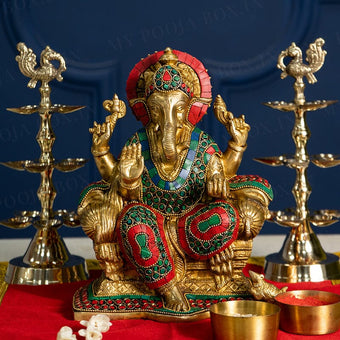
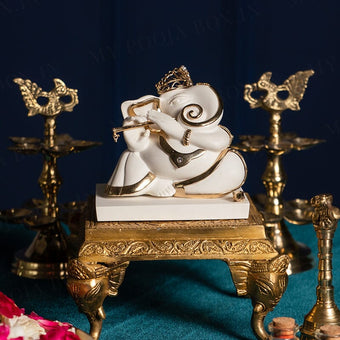
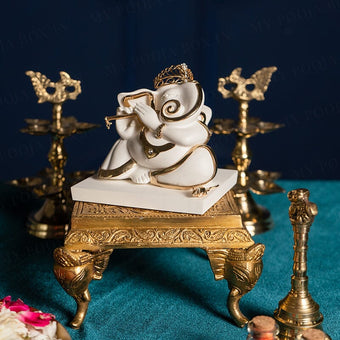
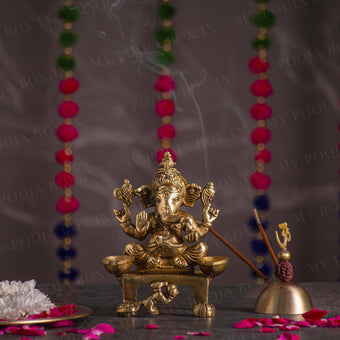
Install Lord Ganesha’s Idol: Set up an altar and place the Lord Ganesha idol on it. Decorate the idol with green grass (Dhruva) and flowers to invite positive energy.
Step 3
-
Naivedya: Prepare sweets like modaks, laddoos, fruits, and other offerings for Lord Ganesha.
-
Offerings: Place these offerings in front of Lord Ganesha with respect and devotion.
Step 4
-
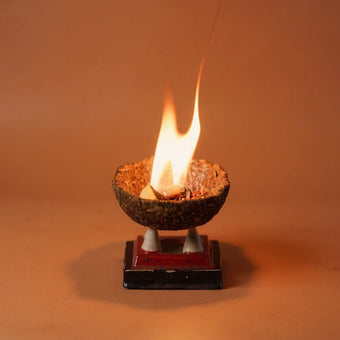
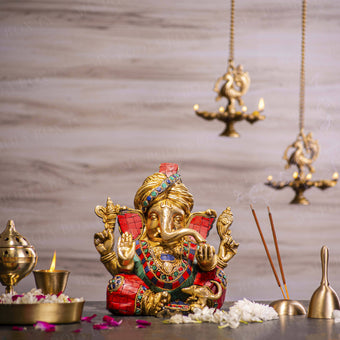
Light Incense: Light incense and dhoop (fragrance sticks) in front of the idol.
-
Light Diyas: Place diyas (oil lamps) to symbolize the removal of darkness and ignorance, which is a core part of Lord Ganesha’s blessings.
Step 5
Sankatahara Katha: After lighting the incense and diyas, recite the Sankatahara Chaturthi Katha or vrat story specific to the month. This story is often accompanied by the chanting of mantras.
Mantras: Chant the following mantras during the puja:
-
Sankashtnashana Sthothra: A powerful hymn dedicated to Lord Ganesha.
-
Ganesha Ashtothra: A collection of 108 names of Lord Ganesha.
-
Vakrathunda Mahakaya: A mantra for Lord Ganesha’s blessings and success.
Step 6
-
Chandra Darshan: After the puja, perform the worship of the moon by sprinkling holy water, akshat (rice), flowers, and sandalwood paste in the direction of the moon.
-
Mantra for Moon Worship: Recite a specific mantra for the moon and offer prayers to seek prosperity and blessings.
Step 7
Distribute the prasad among family members and break the fast. This way your Sankashti vrat is finished.

Different Months, Different Sakat Vrat Procedure and Story
You need to keep in mind that each month of Sakat Chaturthi involves worshipping Lord Ganesha with a different name and seat (Peeta). The fast includes thirteen different stories dedicated to a specific month. Although there are twelve months in a year as per English calendar, in Hindu calendar after four year comes an extra month. So, the thirteenth story is for that extra month.
Celebrate Sankashti Chaturthi with Devotion and Gratitude
Sankashti Chaturthi is a deeply spiritual festival dedicated to Lord Ganesha, seeking his blessings to overcome obstacles and attain peace, prosperity, and happiness. By following the simple vrat vidhi, chanting the Sankatahara Chaturthi story, and offering sincere devotion, you can invite Lord Ganesha’s divine energy into your life.
Wishing you a blessed Sankashti Chaturthi, filled with Lord Ganesha’s grace and blessings!










1 comment
Thanks for this information. In today’s times, a lot of misinformation, is going around too .An initiative like this, through a trusted source ,breaks all the myths .
Will appreciate ,if we get timely articles like these, before the auspicious occasions, along with some ready to use kits ,which can be ordered prior ,so the same can be integrated in our lives.