

















Ganesh Chaturthi ends with a farewell, but it’s not the end, it's a promise to welcome him again, with even more devotion next year.
Few festivals in the world capture the full spectrum of human emotion quite like Ganesh Chaturthi. From the jubilant arrival of Ganpati Bappa into our homes to days filled with soulful aartis, aromatic sweets, and festive camaraderie, the atmosphere is electric. Yet, every year, this celebration culminates in a deeply moving ritual: Ganesh Visarjan, the ceremonial immersion of the deity's idol into water.
Saying goodbye to a divine presence that felt like an honored family member for days is bittersweet. However, in Vedic philosophy, Visarjan is far more than a simple send-off. It is a masterclass in ancient spiritual wisdom, reminding us of the cyclical nature of time, the science of energy transformation, and the psychological art of non-attachment (Vairagya).
Here is an in-depth, comprehensive exploration of the rituals, legends, and philosophy behind Bappa’s farewell, along with a step-by-step guide to conducting a meaningful farewell at home.
1. Offer Water, Flowers & Jaggery (The Upachara Offerings)

Before the visarjan procession or immersion takes place, traditional Vedic liturgy dictates offering final devotional items during the Uttar Puja (the formal concluding worship ritual). Gathering these specific offerings serves a distinct spiritual purpose:
-
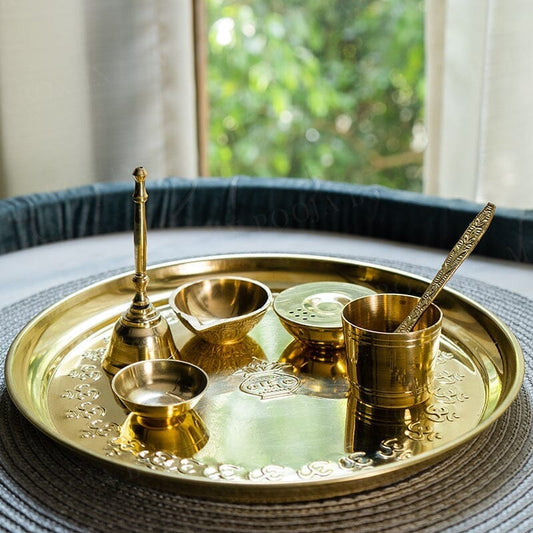
Pure Water (Arghya & Achamaniyam): Fresh water mixed with a pinch of cardamom, cloves, or rose water is offered in a small metal pot (kalash). This ritual represents refreshing Bappa for His long journey back to His celestial abode, Mount Kailash.
-
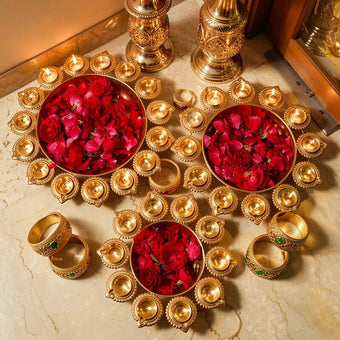
Fragrant Flowers & Durva Grass: Decorate the idol with fresh red hibiscus blossoms which are believed to attract Ganesha's subtle energy frequencies and fresh bundles of 21 blades of Durva grass as a final floral tribute.
-
Farewell Bhog (Siddhi Badi / Pathi Badi): Offer freshly steamed modaks, bananas, and a piece of raw jaggery mixed with coconut. In ancient traditions, a small piece of unstitched cloth containing rice, whole turmeric (haldi), and jaggery is tied near the idol as traveling provisions for His journey.
This act of offering before departure is a physical gesture of deep gratitude (Kritagyata) for the joy, protection, peace, and spiritual abundance Bappa showered upon your household throughout His stay.
2. Chant “Ganpati Bappa Morya” (The Sacred Sound Energy)

As you carry Bappa toward the immersion spot, fill the air with vibrant, rhythmic, and joyful chanting. While "Ganpati Bappa" addresses Lord Ganesha as the supreme protector and father of all creation, the word "Morya" holds a rich devotional history:
-
The Legend of Saint Morya Gosavi: Historical and devotional lore traces the word "Morya" to a 14th-century saint named Morya Gosavi, an ardent devotee of Ganesha who lived near Chinchwad, Maharashtra. His devotion was so selfless that Lord Ganesha declared their names would forever be recited together.
-
Uniting Devotee and Deity: Chanting "Morya" proves that pure surrender binds the worshipper to the divine eternally.
-
The Promise of Return: The full chant "Ganpati Bappa Morya, Pudhchya Varshi Lavkar Ya!" translates to "O Lord Ganesha, come back early next year!" It serves as a collective affirmation that parting is only temporary and that the spiritual connection remains unbroken.
Chanting during the procession is not merely a joyful noise, it is a vocal vibration designed to keep the mind anchored in devotion rather than sadness during the physical parting.
3. Request Him to Return Next Year (Kshama Prarthana & Sthan Chalana)

Before lifting the idol for immersion, gather your family in front of the altar to perform two critical liturgical steps:
A. The Prayer of Forgiveness (Kshama Prarthana)
Speak to Bappa as you would to a revered elder or beloved family member. Join your palms, close your eyes, and humbly seek forgiveness for any unintentional mistakes, oversights, or lapses in ritual precision made during His stay:
"Om Yad Akshara Pada Bhrashtam Matra Heenam Tu Yad Bhavet, Tatsarvam Kshamyatam Deva Gananayaka Namostute."
(Meaning: O Lord Ganesha, leader of the ganas, forgive any errors in my chants, rituals, or devotion. Accept my pure intentions.)
B. Nudging the Idol (Sthan Chalana)
Gently lift the idol using both hands and move it forward slightly (about an inch) on the wooden platform (chawki or patta).
-
Significance: In Vedic ritualism, this physical shift signifies Sthan Chalana the formal completion of His earthly stay. It signals that the divine consciousness (Prana) invoked during Prana Pratishtha at the start of the festival has begun its return to the formless cosmic energy, leaving the clay structure ready for immersion.
4. Visarjan = Letting Go (The Metaphysics of Form and Formless)

The physical immersion of the clay idol in water carries profound metaphysical significance in Hindu philosophy, particularly concerning the concepts of Form (Sakar) and Formless (Nirakar):
-
Creation and Dissolution (Pralaya): Everything in the material universe originates from nature (Prakriti) and must eventually dissolve back into it. The clay is taken from the Earth, shaped into form through artistic skill, filled with spiritual energy through prayer, and finally returned to water to become Earth once more.
-
Releasing the Ego (Ahamkara): The hard earthen idol symbolizes our rigid ego, personal pride, and fixed attachments. As the clay softens and dissolves in water, it symbolizes the melting away of our mental stubbornness, anxieties, and self-centered thoughts, returning our consciousness to a state of baseline purity.
-
Practicing Detachment (Vairagya): We spend days decorating the idol, cooking special foods, and forming a deep personal bond with Bappa. Yet, at the appointed time, we willingly submerge the physical form into water. This teaches us the ultimate life skill: how to love deeply without clinging possessively to physical forms.
5. Emotional & Spiritual Closure (Transforming Ending into Renewal)

Visarjan is naturally a moment of complex, bittersweet emotion sadness at the physical departure, deep satisfaction for the sacred moments shared, and hope for the future.
Psychologically, the structured rituals of Visarjan provide clear emotional closure:
-
Acceptance of Impermanence: It reminds us that no season, situation, or physical form in life is permanent. Change is the fundamental law of nature.
-
A New Beginning in Disguise: In Vedic thought, dissolution (Pralaya) is always the necessary prerequisite for new creation. By letting go of the physical idol with gratitude rather than grief, we clear mental and spiritual space for new blessings, wisdom, and growth in the coming year.
Summary: Ritual Steps & Their Spiritual Meanings
|
Step / Ritual |
Physical Action |
Spiritual / Philosophical Meaning |
|
Uttar Puja |
Offering water, red flowers, durva, and jaggery |
Expressing gratitude (Kritagyata) for divine presence and protection |
|
Kshama Prarthana |
Reciting prayers with closed eyes and joined palms |
Seeking forgiveness for inadvertent ritual or personal errors |
|
Sthan Chalana |
Moving the idol slightly forward on its base |
Marking the formal completion of the stay and transitioning energy from Sakar (Form) to Nirakar (Formless) |
|
Procession Chanting |
Shouting "Ganpati Bappa Morya" |
Elevating sound vibrations and honoring the eternal bond between deity and devotee |
|
Water Immersion |
Submerging the clay idol in clean water |
Returning the elements to Prakriti (Nature) and releasing the human ego |
Eco-Friendly Visarjan at Home: Honoring Tradition and Nature
In ancient times, Ganesha idols were crafted exclusively from unbaked riverbed soil (Shaddu Mati), which dissolved naturally without polluting ecosystems. To honor this traditional ethos without harming public water bodies, modern households are adopting Home Bucket Visarjan:
-
Prepare the Vessel: Fill a clean bucket, copper vessel, or large container with clean water mixed with a few drops of holy water (Ganga Jal).
-
Remove Non-Dissolvable Items: Carefully remove metal crowns, fabric garments, or non-clay jewelry before immersion.
-
Submerge Reverently: Dip the clay idol partially three times while chanting before lowering it completely into the water vessel.
-
Soil Regeneration: Allow 2 to 6 hours for the unbaked clay to dissolve completely into fine mud. Pour the clay-rich water into your home garden beds or potted plants (such as Tulsi or flowering plants).
This completes the sacred ecological loop: Bappa returns directly to Mother Nature in your own living space, nourishing new plant life that stays with you year-round.
Make Every Festival Divine with My Pooja Box
At My Pooja Box, we are committed to keeping ancient traditions authentic, beautiful, and eco-conscious.
Explore our complete Ganesh Chaturthi & Home Pooja Collection:
-
100% Eco-Friendly Clay & Plantable Ganesha Idols
-
Handcrafted Brass Aarti Thalis, Diyas, & Kalash Sets
-
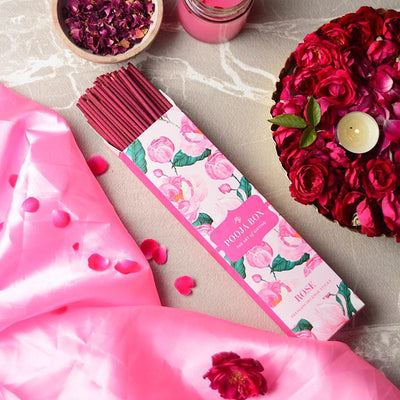
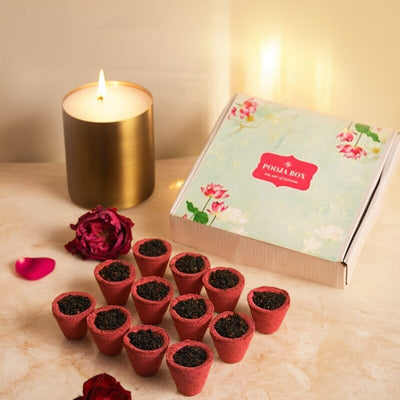
100% Toxin-Free Organic Incense, Dhoop, & Pure Samagri
Visit www.mypoojabox.in to discover handcrafted pooja essentials designed to elevate your home rituals!