






















Amavasya, the new moon day, holds profound spiritual significance in Hinduism. It is a day when the energies of the universe are conducive to spiritual renewal, reflection, and connection with the divine. One of the most important practices on Amavasya is performing Shraddha rituals to honor and pay homage to ancestors. These rituals ensure that the souls of the departed find peace, receive blessings, and remain connected to the family lineage.
In this blog, we will guide you on how to perform Shraddha rituals on Amavasya to honor your ancestors. These rituals are a powerful way to express gratitude, seek blessings, and ensure the well-being of your departed family members. By performing these rites with devotion, you can strengthen the bond between the living and the deceased while promoting spiritual growth and family harmony.
The Spiritual Significance of Shraddha Rituals on Amavasya
Amavasya is considered the most auspicious day for Shraddha rituals, as it is believed that on this day, the souls of the ancestors are most receptive to prayers and offerings. The energy of Amavasya is associated with new beginnings, spiritual cleansing, and detachment from worldly desires. By observing Shraddha on this day, you invoke peace and blessings for your ancestors, ensuring that they are liberated from any lingering karma and continue their journey in the afterlife.
1. Honoring Ancestors and Strengthening Ancestral Bonds
Shraddha rituals on Amavasya serve as a bridge between the living and the dead, helping maintain a spiritual connection with your ancestors. These rituals honor their memory, acknowledge their contributions, and seek their blessings for prosperity, peace, and spiritual growth.
-
Connection with the Past: By performing Shraddha rituals, you acknowledge the sacrifices and efforts of your ancestors. This connection strengthens your relationship with your heritage and ensures that their spiritual presence continues to guide and protect your family.
-
Gratitude and Respect: Offering Shraddha prayers and rituals is an act of deep gratitude and respect. It shows your acknowledgment of the guidance and wisdom passed down through generations, and your desire to ensure their peace and rest in the afterlife.
2. Purification and Removal of Negative Karma
Amavasya is a time of spiritual cleansing, and performing Shraddha rituals helps purify the soul and release negative karmic influences that may have been passed down through the generations. These rituals are believed to bring peace to the souls of the ancestors and help release any lingering spiritual burdens.
-
Clearing Ancestral Karma: Shraddha rituals on Amavasya are said to clear negative karma accumulated by the ancestors. By honoring them through prayer and offerings, you help them find spiritual freedom, which in turn helps alleviate any negative influences on the living family members.
-
Healing Family Lineage: Performing Shraddha rituals is also believed to heal the family lineage, resolving any unresolved karmic issues that may affect the current generation. The act of honoring ancestors is thought to restore balance and harmony in the family and spiritual well-being for future generations.
Step-by-Step Guide to Performing Shraddha Rituals on Amavasya
Performing Shraddha rituals on Amavasya involves a series of prayers, offerings, and meditative practices. These rituals are conducted to honor the ancestors, seek their blessings, and ensure their peace in the afterlife. Here’s how you can observe Shraddha on Amavasya:
1. Setting Up the Sacred Space for Shraddha Rituals
-
Clean the Space: Begin by cleaning the area where you will perform the rituals. A clean, peaceful environment creates an atmosphere of spiritual purity and enhances the efficacy of the prayers and offerings.
-
Set Up the Altar: Place an idol or picture of Lord Vishnu or Lord Shiva on the altar. These deities are often invoked during Shraddha rituals. Alongside them, place photos or names of your deceased ancestors. This acts as a physical symbol of the presence of your ancestors and the connection between the living and the deceased.
-
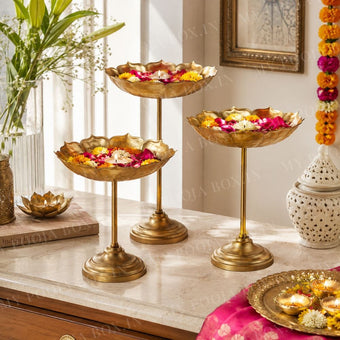
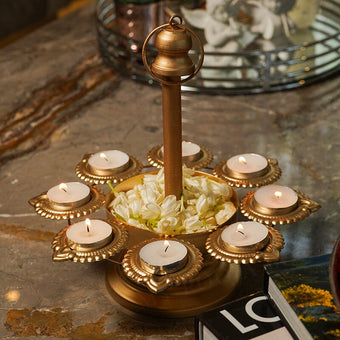
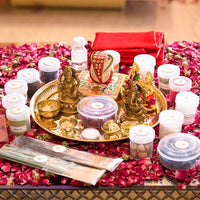
Decorate the Altar: Decorate the altar with fresh flowers, incense sticks, ghee lamps (diyas), and sacred symbols like bel leaves or peepal leaves to create a sacred space for worship.
2. Offering Tarpan (Water Offering)
-
Tarpan is a key part of the Shraddha ritual. This involves offering water mixed with sesame seeds, barley, or rice to the ancestors, which is believed to nourish their souls and help them on their journey.
-
Preparation for Tarpan: Fill a clean water vessel with fresh water. Add black sesame seeds or barley as these are considered auspicious. If possible, use copper vessels for the offering, as they are thought to enhance the spiritual energy of the ritual.
-
Offer the Tarpan: Stand or sit in a quiet place and offer the water by holding the vessel with both hands. With reverence, say prayers or mantras to honor your ancestors. “Pitriyaya Namah” or similar mantras can be chanted to invoke their blessings and seek peace for their souls.
3. Offering Food (Prasad) to the Ancestors
-
Prepare Sattvic Prasad: Offer simple, pure food such as fruits, milk-based sweets, or sweets made from rice and jaggery. Avoid tamasic (heavy) foods like garlic, onions, and non-vegetarian items, as the purpose of the offering is to provide nourishing, sattvic food to the ancestors.
-
Make the Offering with Devotion: Place the prasad on the altar, offering it with deep gratitude and love. The food symbolizes your respect for your ancestors and your desire to provide for them in the afterlife.
-
Offerings to Lord Vishnu or Shiva: In addition to the ancestors, food is often offered to Lord Vishnu or Lord Shiva as a mark of devotion and gratitude. Chant mantras dedicated to these deities while making the offerings.
4. Chanting Prayers and Mantras
-
Pitri Mantras: Chant mantras like “Pitriyaya Namah”, “Om Pitri Deva Namah”, or “Om Namah Shivaya” during the Shraddha ritual to invoke the blessings of the ancestors. These prayers are meant to honor their souls and ask for their blessings for peace and spiritual growth.
-
Prayers for Peace and Liberation: As you chant these mantras, focus on sending your love and gratitude to your ancestors. Pray for their peace and liberation from any lingering karmic burdens. This ritual is an act of healing for both the living and the dead.
5. Meditation and Reflection
-
Meditate on Your Ancestors: Take a moment to sit in silence and meditate on the lives of your ancestors. Reflect on their contributions to your life, their wisdom, and the lessons they have imparted. Use this time to honor their memory and strengthen your spiritual connection with them.
-
Release Negative Energy: Amavasya is a time of spiritual renewal. Use this ritual as an opportunity to let go of past emotional burdens and negative energies. Visualize the release of any karmic influences and embrace a state of peace, gratitude, and love.
6. Sharing the Prasad
-
Distribute the Prasad: After completing the rituals, distribute the prasad among family members or loved ones. Sharing prasad symbolizes the distribution of divine blessings and fosters a sense of family unity and spiritual togetherness.
7. Concluding the Rituals
-
End with Gratitude: Conclude the Shraddha rituals by expressing gratitude to Lord Shiva, Lord Vishnu, and your ancestors. Thank them for their guidance, blessings, and protection, and ask for continued blessings for your family and future generations.
The Spiritual Benefits of Shraddha Rituals on Amavasya
Performing Shraddha rituals on Amavasya brings numerous spiritual benefits:
1. Honoring the Ancestors
-
Strengthening Ancestral Bonds: These rituals help strengthen the spiritual connection with your ancestors, ensuring their peace and seeking their blessings for the family lineage.
2. Purification and Healing
-
Cleansing Negative Energies: Shraddha rituals help clear negative karma and spiritual blockages, facilitating the purification of the soul and the family lineage.
3. Spiritual Growth
-
Blessings for Prosperity and Success: Shraddha rituals invite divine blessings for success, prosperity, and peace in both spiritual and material aspects of life.
4. Healing Family Lineage
-
Breaking Karmic Cycles: By performing Shraddha, devotees are believed to break negative karmic cycles, purifying the family’s spiritual path and inviting positive energy for future generations.
Conclusion
Shraddha rituals on Amavasya are a profound way to honor your ancestors, seek their blessings, and purify your spiritual path. Through prayers, food offerings, tarpan, and meditation, you strengthen the spiritual bond between the living and the deceased, ensuring that your family lineage remains blessed, protected, and spiritually healthy.
By observing these sacred rituals, you align yourself with the divine energies of Amavasya, preparing for a new cycle of growth, healing, and spiritual renewal. Make Shraddha rituals on Amavasya a meaningful practice in your spiritual journey, fostering peace, prosperity, and divine connection for yourself and your ancestors.