





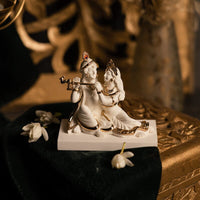








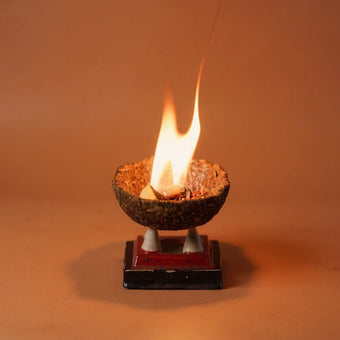












Dwadashi, the twelfth day of the lunar fortnight, holds special significance in Hinduism as a day dedicated to Lord Vishnu, the protector and preserver of the universe. Following Ekadashi, the eleventh day of fasting, Dwadashi is observed by millions of devotees as a continuation of purification, worship, and devotion. It is a day to not only fast but also to deepen one’s spiritual connection with Lord Vishnu through prayer, meditation, and worship.
Fasting on Dwadashi offers a unique opportunity for spiritual growth, and when observed with proper intention and devotion, it brings immense benefits-both physical and spiritual. In this blog, we will guide you on how to fast on Dwadashi, the rituals associated with worshiping Lord Vishnu, and how fasting on this sacred day can help you reap the full spiritual and material benefits.
The Spiritual Importance of Dwadashi Fasting
Dwadashi fasting is not just a physical exercise but a deeply spiritual practice that allows devotees to purify their bodies and minds while strengthening their connection with Lord Vishnu. Here’s why Dwadashi fasting is so significant:
1. Continuation of the Ekadashi Purification
-
Spiritual Cleansing: Dwadashi follows Ekadashi, which focuses on purifying the body and mind. The fast on Ekadashi removes toxins and spiritual clutter, and Dwadashi serves to complete the purification process.
-
Reinforcement of Devotion: While Ekadashi fasting involves abstinence from food and water (in many cases), Dwadashi fasting is often lighter and offers a continuation of the devotion and self-discipline that began on Ekadashi. It’s a day to solidify the connection with Lord Vishnu.
2. Seeking Lord Vishnu’s Blessings for Peace and Protection
-
Divine Protection: Lord Vishnu, the preserver of the universe, is invoked on Dwadashi for protection from negative forces, difficulties, and obstacles. Devotees believe that by fasting and praying on this day, they receive Lord Vishnu’s divine blessings for peace and protection in their lives.
-
Attracting Prosperity: Fasting on Dwadashi also helps invite prosperity and success into one's life. By offering devotion and worship to Lord Vishnu, devotees seek his blessings for health, wealth, and spiritual fulfillment.
3. Spiritual Growth and Self-Discipline
-
Self-Discipline: Dwadashi fasting helps to build self-discipline and control over desires. Abstaining from food and certain pleasures allows the devotee to focus on spiritual practices and teachings, purifying the mind and cultivating a strong will.
-
Spiritual Awakening: Dwadashi is a day to engage in meditation and reflection, helping to deepen your spiritual practice. The fast allows you to detach from worldly distractions and align with the divine energy of Lord Vishnu.
How to Fast on Dwadashi: Step-by-Step Guide
Fasting on Dwadashi is a spiritual journey that involves careful preparation, worship, and devotion. Here's how you can observe Dwadashi fasting and reap its full benefits:
1. Prepare Your Body and Mind for the Fast
-
Set Your Spiritual Intentions: Before you begin the fast, set a clear spiritual intention for the day. Whether you are fasting for health, protection, or spiritual growth, setting your intentions will help you remain focused on your goals and deepen your devotion.
-
Cleanse Your Space: Just as you cleanse your body through fasting, it is important to purify the space where you will be performing your worship. Clean the area and create a serene environment to invite divine energy.
2. Choose Your Fasting Method
On Dwadashi, fasting can be observed in several ways depending on your spiritual goals and physical capacity. The most common fasting methods are:
-
Partial Fast (Sattvic Foods): Most devotees observe a partial fast by consuming light, sattvic foods such as fruits, milk, and nuts. This fast is gentle on the digestive system while still offering the benefits of purification. You can include boiled potatoes, sweet potatoes, carrots, coconut, and milk-based dishes such as kheer.
-
Water Fast (Nirjala Fast): For more experienced devotees, a waterless fast (nirjala) may be observed, where no food or water is consumed throughout the day. This fast is intense and should be observed only by those who are physically able to endure it.
-
Hydration: While a waterless fast is an option for some, coconut water or herbal teas can be consumed to stay hydrated if you prefer a gentler approach.
3. Perform the Dwadashi Puja and Worship Lord Vishnu
The key component of fasting on Dwadashi is worshiping Lord Vishnu with sincerity and devotion. Here’s how you can perform the puja and offer your prayers:
-
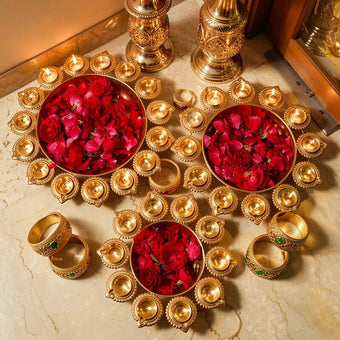
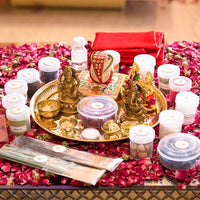
Set Up a Sacred Altar: Place an image or idol of Lord Vishnu on a clean platform. Decorate the altar with fresh flowers, incense sticks, and a diya (lamp). These elements help purify the space and invite the divine energy of Lord Vishnu.
-
Offer Prayers and Gratitude: Begin by offering heartfelt prayers to Lord Vishnu. Ask for his protection, blessings, and spiritual guidance. Offer your gratitude for the divine blessings already received and express your devotion.
-
A simple prayer could be:
“Om Namo Bhagavate Vasudevaya, Lord Vishnu, I offer my devotion to you. Please guide me on the path of righteousness, protect me from harm, and bless me with peace, prosperity, and wisdom.” -
Chant the Vishnu Sahasranama: The Vishnu Sahasranama, which is the 1000 names of Lord Vishnu, is a powerful prayer that invokes Lord Vishnu’s divine qualities and helps deepen your connection with him. Chanting the Vishnu Sahasranama is highly recommended on Dwadashi for spiritual growth, purification, and protection.
-
If you are unable to chant the full Sahasranama, the mantra “Om Namo Bhagavate Vasudevaya” is equally powerful and can be recited repeatedly throughout the day.
-
Offer Prasad: After completing the puja, offer sattvic prasad (light foods such as fruits, milk, or sweets) to Lord Vishnu. Sharing prasad with family and friends is also a way of distributing divine blessings.
4. Meditate and Reflect
-
Meditate on Lord Vishnu: Take some time to meditate on Lord Vishnu’s divine form and qualities. Visualize his serene and compassionate form, and reflect on how you can embody his virtues in your own life. Meditation helps enhance your connection with Lord Vishnu and strengthens your devotion.
-
Self-Reflection: Use Dwadashi fasting as a time for personal reflection. Consider your actions, thoughts, and behaviors over the past month and how you can improve spiritually. This period of reflection allows you to identify areas of growth and enhances your spiritual journey.
5. Break the Fast with Gratitude
-
Breaking the Fast Gently: After the fasting period, gently break your fast with light foods like fruits, milk-based dishes, or a simple vegetarian meal. Avoid consuming heavy or tamasic foods immediately after fasting, as this may disrupt the benefits of the fast.
-
Share Prasad: Once you break your fast, share the prasad with family and friends. Sharing prasad is an act of goodwill and spreads the divine blessings you have received on Dwadashi.
The Spiritual Benefits of Dwadashi Fasting
Dwadashi fasting offers numerous spiritual benefits, enhancing both devotion and spiritual growth. Here are some of the key benefits:
1. Purification of the Body and Mind
-
Fasting on Dwadashi purifies the body, removing toxins and rejuvenating the digestive system. Mentally, it clears distractions and fosters a focused, peaceful state of mind.
2. Strengthening Devotion
-
Fasting helps deepen your devotion to Lord Vishnu, strengthening the bond between the devotee and the divine. It helps purify intentions and brings clarity to spiritual practices.
3. Receiving Divine Blessings
-
Devotees believe that fasting on Dwadashi invokes Lord Vishnu’s divine blessings for health, prosperity, and protection. The fast is also seen as a way to remove obstacles and receive the grace of the Lord.
4. Enhanced Self-Discipline
-
Fasting is a way to strengthen self-discipline, control desires, and focus on higher spiritual goals. It builds inner strength and helps devotees develop a greater sense of willpower.
5. Spiritual Awakening
-
By fasting, praying, and meditating on Dwadashi, devotees experience a deeper spiritual awakening, gaining insight and wisdom. This practice helps bring balance to life and enhances the path toward self-realization.
Conclusion
Dwadashi fasting is a powerful spiritual practice that not only purifies the body and mind but also deepens one’s connection to Lord Vishnu. By fasting with devotion, chanting mantras, and engaging in prayer and reflection, devotees can experience spiritual growth, protection, and divine blessings. Whether you choose to observe a partial fast or a full fast, the key is to approach the fast with devotion and humility, allowing Lord Vishnu’s grace to guide you on your spiritual journey.