


























Dwadashi, the twelfth day of the lunar fortnight, holds special significance in Hindu spiritual practices. While it follows Ekadashi (the eleventh day), which is widely known for its strict fasting protocols, Dwadashi offers a more flexible and spiritually enriching way to connect with Lord Vishnu. For devotees of Lord Vishnu, Dwadashi fasting provides an opportunity to deepen their devotion, purify the body and mind, and receive divine blessings, without the intensity of a full fast. This day is about balance-ensuring that both the body and soul are nourished while cultivating devotion and self-discipline.
In this blog, we will explore the concept of light fasting on Dwadashi, the importance of fasting for Lord Vishnu’s worship, and how you can incorporate light fasting practices into your spiritual routine to enhance devotion, gain clarity, and attract divine grace.
The Spiritual Importance of Dwadashi Fasting
Dwadashi, while considered a continuation of Ekadashi fasting, serves a more specific purpose for devotees of Lord Vishnu. After the purification process initiated on Ekadashi, Dwadashi is the time to solidify the spiritual benefits and to perform worship with greater devotion. Here are the key spiritual benefits of Dwadashi fasting:
1. Strengthening Devotion to Lord Vishnu
-
Deepening Faith: Fasting on Dwadashi allows you to cultivate a deeper connection with Lord Vishnu. By dedicating this day to worship, chanting, and reflection, devotees can strengthen their faith and trust in Vishnu's divine protection and guidance.
-
Purifying the Mind and Soul: Dwadashi fasting helps remove distractions and clears the mind, making it easier to focus on prayer and meditation. This mental clarity opens the path to greater devotion, self-realization, and connection to divine wisdom.
2. Enhancing Spiritual Growth and Self-Discipline
-
Self-Control: Fasting is an act of self-discipline, and Dwadashi fasting reinforces the devotee’s commitment to spiritual progress. By controlling the body’s desires and focusing on higher spiritual goals, one cultivates inner strength and perseverance.
-
Reflection and Meditation: Fasting on Dwadashi provides the opportunity for self-reflection. It’s a time to contemplate one’s life, actions, and spiritual path, while also meditating on Lord Vishnu’s divine qualities, such as his role as the protector and preserver of the universe.
3. Receiving Divine Blessings
-
Peace and Prosperity: It is believed that by fasting and performing worship on Dwadashi, devotees invite Lord Vishnu’s divine blessings for peace, protection, and prosperity in their lives. The day is dedicated to seeking Lord Vishnu’s grace, and fasting helps purify the devotee's heart, making it receptive to his blessings.
-
Protection from Obstacles: Fasting on Dwadashi is also believed to offer protection from physical, mental, and spiritual obstacles. By submitting oneself in devotion to Lord Vishnu, devotees believe they can overcome adversities and remain on the righteous path.
Light Fasting Practices for Dwadashi
Dwadashi fasting is often more flexible than the rigorous fasting observed on Ekadashi. While some devotees may choose to observe a strict nirjala (waterless) fast, many prefer a light fast, allowing them to consume simple, pure foods that nourish the body without distracting from the spiritual focus. Light fasting allows for balance-keeping the body nourished while focusing on worship and devotion.
Here’s how you can observe light fasting on Dwadashi:
1. Choose Pure, Sattvic Foods
-
Fruits: Fresh fruits like bananas, apples, papayas, and pomegranates are great options for a light fast. Fruits provide natural sugars and essential nutrients without making you feel lethargic or heavy.
-
Milk and Dairy: Milk is considered sacred and is a common food consumed during fasting. You can have a glass of milk or prepare light milk-based dishes like kheer (sweet rice pudding) or sabudana khichdi (tapioca pearls cooked in milk). These options provide nourishment without disrupting the fasting process.
-
Nuts and Dry Fruits: Nuts like almonds, cashews, walnuts, and dry fruits like dates or raisins are excellent sources of energy. They provide healthy fats, protein, and essential nutrients, making them perfect for a light fast.
-
Boiled Vegetables: Simple boiled vegetables like sweet potatoes, potatoes, or carrots can be included in the fast. These vegetables are easy to digest and provide the body with important nutrients.
2. Foods to Avoid
-
Grains: Like in Ekadashi, grains such as rice, wheat, and barley should be avoided during Dwadashi fasting. These are considered tamasic (heavy) and can make the mind sluggish, hindering spiritual progress.
-
Onions and Garlic: Onions, garlic, and other strong-smelling foods are avoided as they are considered rajasic or tamasic in nature, which may cause restlessness or distraction during spiritual practices.
-
Non-Vegetarian Foods: As with Ekadashi, Dwadashi fasting requires abstaining from meat and other non-vegetarian foods. These foods are considered impure and do not align with the spiritual focus of fasting.
-
Processed Foods and Junk Food: Avoid consuming processed or junk foods like chips, packaged snacks, sugary foods, or fried items, as these are heavy and unhealthy, and can distract from the spiritual goal of the fast.
3. Stay Hydrated
-
Water and Coconut Water: While some people opt for a waterless fast (nirjala), a light fast generally allows the intake of water or coconut water. Staying hydrated is essential for maintaining energy levels and ensuring that the body remains cleansed.
-
Herbal Teas: Caffeine should be avoided during the fast, but you can drink herbal teas like ginger tea, chamomile, or mint tea, which are soothing and gentle on the stomach.
Lord Vishnu’s Devotional Worship on Dwadashi
Dwadashi fasting is inherently tied to devotional worship of Lord Vishnu. Worshipping Lord Vishnu on this day can be a deeply enriching experience that enhances your spiritual journey. Here are some practices you can incorporate into your Dwadashi fasting:
1. Set Up a Sacred Altar
-
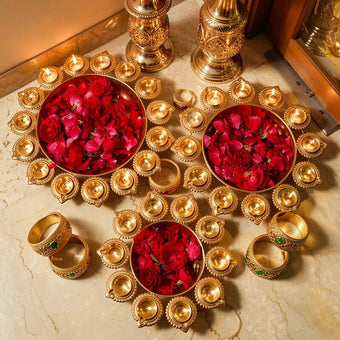
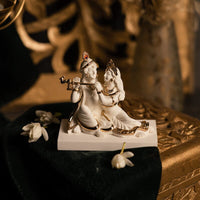
Vishnu Idol or Picture: Place a clean idol or picture of Lord Vishnu on a raised platform or altar. You can decorate the altar with fresh flowers, incense, and a diya (oil lamp) to purify the environment and invite divine energy.
-
Offer Sattvic Foods: After preparing simple fasting foods, offer them to Lord Vishnu with devotion. Offer milk, fruits, and sweets to Lord Vishnu as a symbol of your gratitude and reverence.
2. Chant Vishnu Mantras and Vishnu Sahasranama
-
Chanting the Vishnu Sahasranama: Reciting the Vishnu Sahasranama (1000 names of Lord Vishnu) is considered one of the most powerful forms of worship. The Vishnu Sahasranama is said to invoke divine blessings, purification, and protection. If you are unable to chant the entire stotra, chanting the Maha Mantra “Om Namo Bhagavate Vasudevaya” is also beneficial.
-
Mantra Recitation: Repeating Lord Vishnu’s name and mantras throughout the day helps keep the mind focused on the divine. This practice reinforces devotion and invites the protective presence of Lord Vishnu.
3. Meditation on Lord Vishnu’s Qualities
-
Reflect on Lord Vishnu’s Attributes: Meditate on the qualities of Lord Vishnu, such as compassion, protection, preservation, and wisdom. These qualities guide devotees in their personal and spiritual lives. Reflect on how you can embody these qualities in your own actions and thoughts.
-
Visualization: Visualize Lord Vishnu’s divine form, imagining his peaceful, compassionate face and his gentle, protective energy. Visualizing the divine presence enhances connection and spiritual growth.
4. Prayers of Gratitude and Requests for Blessings
-
Thanksgiving: Offer prayers of thanks to Lord Vishnu for his protection, guidance, and blessings. Express gratitude for his role as the preserver of the universe and your own personal protector.
-
Seek Divine Grace: Ask Lord Vishnu for protection, prosperity, spiritual growth, and the removal of obstacles. Dwadashi is a day to seek divine grace and ensure that Lord Vishnu’s blessings continue to illuminate your life.
The Benefits of Dwadashi Fasting for Devotees
Dwadashi fasting offers both spiritual and physical benefits, enhancing overall well-being and devotion.
1. Spiritual Purification
-
Cleansing the Mind and Body: Fasting helps purify the mind and body, allowing the devotee to connect more deeply with Lord Vishnu. It clears distractions and creates space for spiritual practices like prayer, meditation, and mantra chanting.
2. Strengthening Devotion
-
Deepening Faith: Dwadashi fasting enhances one’s devotion to Lord Vishnu, bringing the devotee closer to the divine and strengthening the bond of love and reverence.
3. Receiving Divine Blessings
-
Protection and Prosperity: By observing the fast and engaging in prayer, devotees seek divine blessings from Lord Vishnu for protection, prosperity, and spiritual growth.
4. Detoxification and Health Benefits
-
Physical Detox: Fasting helps remove toxins from the body, boosts digestion, and rejuvenates the digestive system, contributing to better overall health and vitality.
5. Increased Mental Clarity
-
Mental Focus: Abstaining from heavy foods clears the mind and enhances focus, helping the devotee stay spiritually centered and mentally clear.
Conclusion
Dwadashi fasting is a powerful spiritual practice that enhances devotion, fosters self-discipline, and invites Lord Vishnu’s divine blessings. By following light fasting practices, chanting mantras, offering prayers, and meditating on Lord Vishnu’s divine qualities, devotees can experience purification, spiritual growth, and deepened devotion.
Whether you are fasting partially or fully, Dwadashi provides an opportunity to purify your body and soul, remove obstacles, and strengthen your connection with Lord Vishnu. Make Dwadashi fasting a part of your spiritual practice, and experience the transformative power of devotion and divine grace.