














Dashami, the tenth day of Navratri, is a grand and celebratory occasion that marks the conclusion of the nine-day festival dedicated to Goddess Durga. It is also known as Vijayadashami, the day of victory, symbolizing the triumph of good over evil. Dashami is a day of immense spiritual significance, celebrating the victory of Lord Rama over the demon king Ravana in the epic Ramayana, and in many regions, it is the culmination of the Durga Puja celebrations.
The end of Navratri on Dashami signifies not only the victorious end of a fierce battle, but also a time of renewal, joy, and festivity. On this day, devotees celebrate the blessings they have received during Navratri and reflect on the divine energy that has been invoked. Whether you are observing the victory of Lord Rama, or concluding your worship of Goddess Durga, Dashami is a day to rejoice, break your fast, and celebrate spiritual success.
In this blog, we will explore the spiritual significance of Dashami, how to observe the day, the rituals associated with Lord Rama's victory over Ravana, and how we end Navratri with devotion and celebration.
The Spiritual Significance of Dashami
Dashami holds profound significance as it marks the end of the nine days of intense devotion, prayer, fasting, and rituals during Navratri. On this day, Lord Rama defeated Ravana, the demon king, after a long and intense battle, symbolizing the ultimate victory of good over evil. The day is often referred to as Vijayadashami, a celebration of that victory.
-
Victory of Good Over Evil: Dashami is a day when we honor the triumph of Lord Rama over Ravana, which signifies the defeat of ego, arrogance, and ignorance. The victory of good over evil, light over darkness, and truth over falsehood is a central theme of this day.
-
Renewal and Spiritual Awakening: Dashami is seen as a time for spiritual renewal. After the fasting and prayers of the previous days, devotees feel spiritually rejuvenated, having rid themselves of negative energies and thoughts. It is a day to reflect on personal growth, inner strength, and the lessons learned during Navratri.
-
Celebration of Lord Rama’s Virtues: Lord Rama is revered for his unwavering devotion to duty, truth, and righteousness. On Dashami, devotees celebrate his divine qualities, honoring his victory and the values he represents-virtue, honor, and compassion.
How We Celebrate Dashami: Worship and Rituals
Dashami is celebrated with much enthusiasm, particularly in regions where the victory of Lord Rama is central to the festival. The rituals and customs can vary, but they generally include prayers, pujas, processions, and grand celebrations to mark the conclusion of the festival.
1. Worship of Lord Rama
For many, Dashami is a day to worship Lord Rama, seeking his blessings for strength, protection, and guidance. The day marks Lord Rama’s return to Ayodhya after his victory over Ravana, and his coronation as the king of Ayodhya. Here’s how to observe the worship of Lord Rama on Dashami:
-
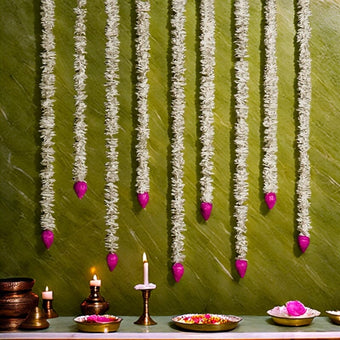
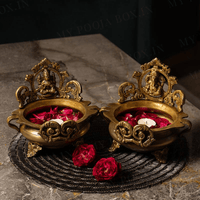
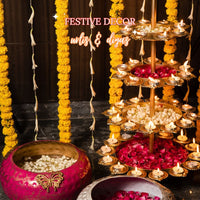
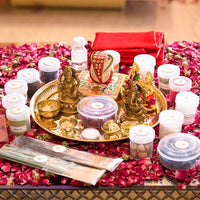
Set Up an Altar: Place an idol or image of Lord Rama on a raised platform or altar. If possible, you can decorate the altar with marigold flowers, incense sticks, and a diya (oil lamp). This sets the stage for the puja and invites divine energy.
-
Offer Prayers and Mantras: Begin your puja by offering prayers to Lord Rama. Chant mantras such as:
-
“Om Sri Ramaya Namah” – This mantra is dedicated to Lord Rama, invoking his protection, guidance, and blessings.
-
Ram Raksha Stotra: This is a powerful hymn of protection dedicated to Lord Rama. Reciting this stotra on Dashami is believed to shield you from harm and bring divine protection.
-
Celebrate His Victory: Offer fruits, sweets, and other offerings to Lord Rama, symbolizing gratitude for his victory and blessings. A popular offering is puran poli (sweet flatbread), which is prepared during Ram Navami and Dashami as part of the celebration.
2. Worship of Goddess Durga and the Completion of Durga Puja
In regions where Durga Puja is celebrated, Dashami is the day when the Goddess Durga idol is immersed in water, symbolizing her return to the heavenly abode. This ritual is a culmination of the nine days of worship and devotion. On Dashami:
-
Durga Idol Visarjan (Immersion): After offering prayers and performing the final puja, the idol of Goddess Durga is taken in a grand procession and immersed in a river, lake, or any other water body. This symbolizes the departure of the goddess, who blesses her devotees with peace and protection.
-
Offer Final Prayers: The day includes a final round of prayers and gratitude to Goddess Durga for her protection and guidance. Devotees thank the goddess for her blessings during Navratri, seeking her continued grace and support.
-
Community and Family Celebrations: Dashami is often marked by large community gatherings, feasts, and festivities. Families come together to enjoy delicious meals and celebrate the success of their prayers and fasting over the past nine days.
3. Dussehra Celebrations
In many regions, Dashami is also celebrated as Dussehra, a festival that honors the victory of Lord Rama over Ravana. On Dussehra, effigies of Ravana are burned in a grand display of firecrackers and fireworks, symbolizing the destruction of evil and the triumph of righteousness.
-
Ravana Dahan (Burning of Effigies): In some places, large effigies of Ravana are erected and set on fire to mark the victory of Lord Rama. This ritual is a visual representation of the destruction of evil and the ultimate victory of good.
-
Feasting and Celebrations: Dussehra is a time for celebration, with families and communities coming together to feast, sing, dance, and rejoice in the victory of Lord Rama. It is a time for family bonding, gratitude, and the renewal of positive intentions.
Ending Your Navratri Fast on Dashami
Dashami is also the day when many devotees break their Navratri fast. After nine days of fasting, prayers, and rituals, it is important to conclude your fast in a way that honors the goddess or Lord Rama and reflects your devotion. Here’s how to end your fast on Dashami:
1. Breaking the Fast Gently
-
Start with Light Foods: After days of fasting, it is important to break the fast gently. Start with light foods such as fruits, coconut water, or light vegetable dishes. You can also have sweets like ladoos or kheer, which are typically prepared during the festival.
-
Offer Gratitude: As you break your fast, express gratitude for the spiritual progress you’ve made during Navratri. Thank Lord Rama or Goddess Durga for the strength, wisdom, and protection they’ve bestowed upon you.
2. Share Prasad with Family and Friends
-
Distribute Prasad: After breaking the fast, share the prasad (sacred food) with your family and friends. Sharing prasad is considered an auspicious act that spreads the divine blessings received during Navratri.
-
Feasting with Loved Ones: Dashami is often a day of feasting and celebration. Enjoy a festive meal with family and loved ones, rejoicing in the blessings you’ve received during the past nine days.
The Spiritual Benefits of Observing Dashami
Dashami, and the rituals performed on this day, offer a wide range of spiritual benefits:
1. Spiritual Renewal
By observing the rituals, fasting, and prayers of Navratri, you have purified your body, mind, and soul. Dashami symbolizes the spiritual renewal of your intentions, aspirations, and goals. It is a day to start fresh and carry forward the spiritual progress made during the festival.
2. Protection and Victory
On Dashami, we honor the victory of Lord Rama over Ravana, seeking protection from negative forces and obstacles. The divine blessings invoked on this day provide strength to overcome challenges and bring peace and prosperity into your life.
3. Strength and Courage
Lord Rama symbolizes courage, virtue, and righteousness. By worshipping him on Dashami, you invoke his strength and resilience, empowering yourself to face any difficulties with grace and faith.
4. Joy and Celebration
Dashami brings joy, celebration, and thanksgiving. It is a time to rejoice in the divine blessings received, celebrate with loved ones, and share the joy of the occasion with others.
How to Observe Dashami Fasting as a Beginner
If you are new to fasting on Dashami, here’s how to begin:
-
Simple Offerings: Set up a small altar with Lord Rama or Goddess Durga’s idol. Offer flowers and light a diya.
-
Partial Fast: Start with a partial fast by consuming fruits, milk, or light foods and avoiding grains and meats.
-
Chant Prayers: Chant mantras dedicated to Lord Rama or Goddess Durga, focusing on gratitude, protection, and spiritual growth.
Conclusion
Dashami is a day of triumph, celebration, and spiritual growth. Whether you are honoring Lord Rama’s victory over Ravana or concluding your Durga Puja rituals, Dashami marks the end of Navratri with devotion, gratitude, and joy. Fasting, prayers, and the rituals performed on this day allow you to connect with the divine, seek blessings for the future, and celebrate the victory of light over darkness.