
























Mahavir Jayanti is a prominent religious and cultural festival celebrated by Jains around the world. It commemorates the birth of Lord Mahavir, the 24th and final Tirthankara in Jainism. This sacred day is not only an occasion for festivities but also a time for spiritual reflection, meditation, and a deeper connection to the values of non-violence, truth, and self-discipline. In this blog, we explore the historical significance of Mahavir Jayanti, its core traditions, and how its teachings continue to influence millions.
Who Was Lord Mahavir? Understanding the Spiritual Leader
Lord Mahavir was born in 599 BCE in Vaishali (modern-day Bihar, India) to King Siddhartha and Queen Trishala. Known as the spiritual reformer of Jainism, Lord Mahavir’s teachings were rooted in compassion, non-violence (ahimsa), and the pursuit of liberation through personal discipline.
Key aspects of Lord Mahavir’s life include:
-
Royal Birth: Born into a royal family, Lord Mahavir initially led a luxurious life. However, he renounced all worldly possessions at the age of 30 to pursue a life of spiritual awakening.
-
Asceticism and Enlightenment: After years of rigorous meditation and penance, Lord Mahavir attained Kevala Jnana (absolute knowledge). His teachings then spread across India, forming the basis of Jain philosophy.
-
Five Great Vows: The central tenets of Lord Mahavir’s teachings are captured in the Five Great Vows:
-
Non-violence (Ahimsa): Treat all living beings with respect and kindness.
-
Truth (Satya): Speak only the truth and live with honesty.
-
Non-stealing (Asteya): Avoid taking anything that is not freely given.
-
Celibacy (Brahmacharya): Live a life of self-restraint and avoid indulgence.
-
Non-possessiveness (Aparigraha): Let go of material desires and attachments.
These principles are integral not only to Jainism but to ethical living in a broader context. They teach self-discipline, spiritual purity, and compassion toward all life forms.
The Spiritual Significance of Mahavir Jayanti
Mahavir Jayanti is observed to commemorate the birth of Lord Mahavir and to reflect upon his profound spiritual teachings. The day is a reminder to embrace his principles of non-violence, truth, and self-restraint.
-
A Celebration of Non-Violence (Ahimsa): Lord Mahavir’s emphasis on non-violence extends beyond physical harm. It encourages spiritual non-violence, which means being gentle in thoughts, words, and actions.
-
Spiritual Awakening and Inner Peace: The day is not only about external celebrations but also about internal growth. It is a time for introspection and renewal of one’s commitment to live according to Jain values of peace and self-control.
-
Focusing on Liberation (Moksha): Lord Mahavir’s teachings guide followers toward achieving liberation or moksha, the ultimate freedom from the cycle of birth and death.
How is Mahavir Jayanti Celebrated? Traditions and Rituals
The festival is marked by various rituals and customs, each designed to celebrate Lord Mahavir’s birth and teachings. While celebrations may vary from region to region, the following are common practices observed during Mahavir Jayanti:
1. Grand Processions (Shobha Yatras)
-
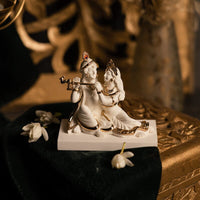
Vibrant Processions: On Mahavir Jayanti, devotees participate in grand processions, also known as Shobha Yatras. These processions are often led by the idol of Lord Mahavir, beautifully adorned with flowers and carried by devotees in a spirit of reverence.
-
Chanting and Hymns: The processions are accompanied by chanting of sacred Jain hymns, songs, and mantras. These hymns invoke peace, compassion, and joy, creating a serene atmosphere for all participants.
2. Prayers, Rituals, and Pujas
-
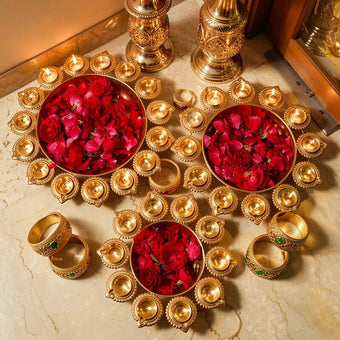
Temple Visits: Jain temples across India are adorned with flowers, lights, and incense on Mahavir Jayanti. Devotees visit these temples to offer prayers, engage in rituals, and listen to discourses by Jain monks and spiritual leaders.
-
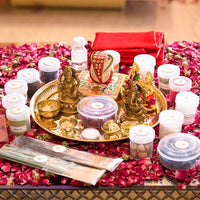
Aarti and Mantras: The most important ritual is the aarti, a devotional song sung in praise of Lord Mahavir. Devotees also chant mantras and offer flowers and fruits at the temple, expressing their devotion.
-
Meditation and Reflection: Many devotees use this occasion for deeper meditation, focusing on self-reflection and self-improvement in alignment with Lord Mahavir’s teachings.
3. Fasting and Austerities
-
Spiritual Fasting: A significant number of followers observe fasting during Mahavir Jayanti as a way to purify the mind and body. Fasting is seen as a form of self-discipline, where devotees refrain from eating or consume a simple diet.
-
Spiritual Cleansing: Fasting and performing austerities are symbolic of detachment from material desires, allowing followers to focus on spiritual goals.
4. Acts of Charity (Daan)
-
Charitable Acts: Mahavir Jayanti is a day dedicated to giving. Acts of charity, or daan, are a central aspect of the festival. Devotees donate food, clothes, and money to the poor and needy, reflecting Lord Mahavir’s teaching of non-possessiveness and compassion.
-
Helping the Underprivileged: Many people visit hospitals, orphanages, and old age homes, offering support and kindness to those who are less fortunate. This charitable work is believed to purify the heart and bring blessings.
The Universal Message of Lord Mahavir
While Mahavir Jayanti is predominantly a Jain celebration, Lord Mahavir’s teachings transcend religious boundaries, offering timeless wisdom to humanity. Here’s how his core messages resonate in today’s world:
-
Non-Violence (Ahimsa): In a world often plagued by violence, Lord Mahavir’s message of ahimsa stands as a guiding principle. It encourages not just the absence of physical violence but also mental peace and emotional control.
-
Truth (Satya): With truth comes clarity and peace. In modern society, where misinformation often circulates, Lord Mahavir’s insistence on truthfulness remains highly relevant.
-
Non-Possessiveness (Aparigraha): In today’s consumer-driven world, where materialism often leads to dissatisfaction, the principle of non-possessiveness encourages us to be content with what we have and let go of unnecessary attachments.
Mahavir Jayanti Celebrations Around the World
Though Mahavir Jayanti is primarily celebrated in India, the festival has spread across the globe, especially to countries with large Jain communities such as the United States, the United Kingdom, and Canada. Here’s how the celebrations unfold globally:
-
In India: Major cities like Ahmedabad, Mumbai, and Delhi witness large-scale processions, where Jain devotees march through the streets, singing hymns and distributing food to the poor.
-
In the Diaspora: Jains in countries such as the United States and Canada also hold prayers, processions, and community gatherings. The celebration provides a sense of cultural unity, bringing together people who practice Jainism, irrespective of where they live.
Mahavir Jayanti – A Spiritual Renewal
Mahavir Jayanti is more than just a day of rituals; it’s an opportunity for spiritual renewal. It’s a reminder to practice non-violence, live truthfully, embrace compassion, and let go of material attachments. As you celebrate Mahavir Jayanti, take the time to reflect on these values and renew your commitment to living a life of peace, self-discipline, and compassion.