

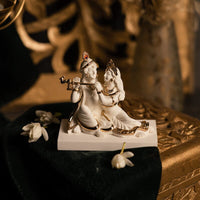











Janmashtami is one of the most auspicious festivals in Hindu culture, celebrating the divine arrival of Lord Krishna. While millions of devotees set up home mandirs, dress Laddu Gopal in vibrant attire, and prepare delicious bhog, every item offered during the pooja carries profound spiritual significance.
In the Bhagavad Gita, Lord Krishna emphasizes that He accepts even the simplest gift when offered with a pure and loving heart. Understanding the symbolic meaning behind each offering transforms routine rituals into a deeply fulfilling spiritual experience.
Here are the 7 essential things to offer Shri Krishna on Janmashtami and what they signify for your spiritual journey.
1. Makhan (Fresh Butter)

"Makhan Chor" (butter thief) is one of Lord Krishna’s most cherished and affectionate names. During His childhood in Vrindavan, young Krishna was famous for stealing butter churned by the gopis.
-
Spiritual Significance: Butter is extracted by churning milk, symbolizing the pure essence of devotion (Bhakti) extracted from human life through spiritual practice.
-
Why Offer It: Offering fresh butter connects us with Krishna's playful childhood, reminding us to embrace innocence, joy, and unconditional love in our daily lives. It is also believed to attract blessings of happiness, abundance, and spiritual warmth to the household.
2. Tulsi Leaves (Holy Basil)

Tulsi (Holy Basil) holds a unique place in Krishna worship. Scripture states that no offering (Nivedyam) to Lord Krishna is complete without a Tulsi leaf placed upon it.
-
Spiritual Significance: Tulsi represents absolute purity of heart, humility, and unshakeable devotion.
-
Why Offer It: Tulsi is considered the most beloved offering to Krishna. Presenting even a single leaf with devotion is deemed more valuable than precious gems or rich banquets, helping seekers grow spiritually and please the Lord.
3. Peacock Feather (Mor Pankh)
A vibrant peacock feather adorned on Krishna’s crown (Mukut) is one of His most iconic symbols.
-
Spiritual Significance: A peacock feather represents divine beauty, grace, purity, and living in complete harmony with nature.
-
Why Offer It: Offering a peacock feather to Krishna honors the beauty of cosmic creation. It invites divine charm, peace, and positive energy into your living space while removing negative influences.
4. Flute (Bansuri)

The sweet sound of Shri Krishna’s flute (Bansuri) represents the divine call that draws every soul away from material distractions back to divine love.
-
Spiritual Significance: A bamboo flute is hollow inside, symbolizing a mind free from ego, desire, and malice.
-
Why Offer It: Offering a flute signifies total surrender to the divine will allowing life to flow effortlessly in tune with the Lord’s melody. It serves as a prayer for divine guidance and protection along our spiritual path.
5. Yellow Clothes (Pitambar)

Lord Krishna is frequently referred to as Pitambardhari the one adorned in shimmering yellow garments (Pitambar).
-
Spiritual Significance: In Vedic traditions, the color yellow symbolizes wisdom, intellectual enlightenment, prosperity, and divine light.
-
Why Offer It: Dressing the idol of Laddu Gopal in new yellow silk attire during Janmashtami is a gesture of seeking higher wisdom, clarity of thought, and the spiritual strength required to walk the path of righteousness.
6. Butter Lamps (Diya)

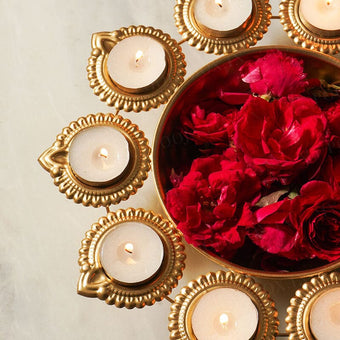
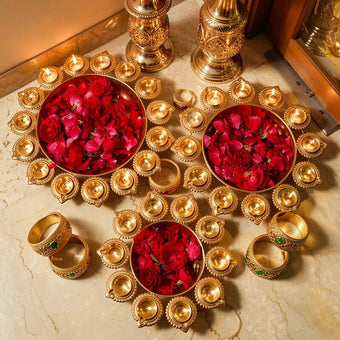
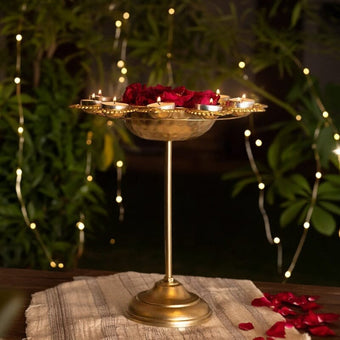
Lighting lamps is an essential ritual in Hindu worship, but lighting a diya with butter or pure desi ghee on Janmashtami holds elevated importance.
-
Spiritual Significance: The glowing flame of a butter lamp symbolizes the light of divine consciousness dispelling the darkness of ignorance, doubt, and negative thoughts.
-
Why Offer It: Lighting a lamp for Krishna represents a personal pledge to keep the flame of truth, purity, and devotion alive within our hearts, regardless of external challenges.
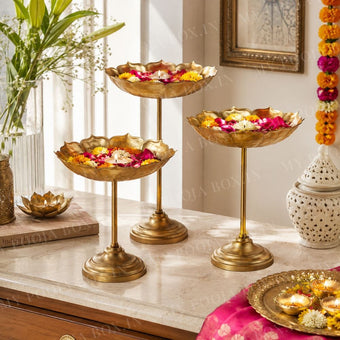
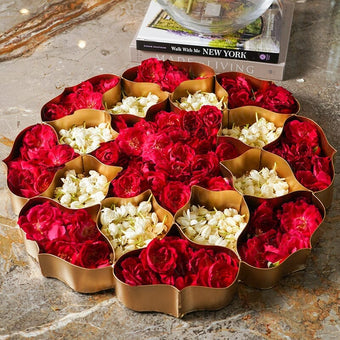
7. Fresh Flowers

Fresh, fragrant flowers are universal offerings of devotion, beauty, and complete self-surrender.
-
Spiritual Significance: A flower blooms fully without holding anything back, offering its color and fragrance freely to the world.
-
Why Offer It: Offering fresh flowers to Lord Krishna teaches us to present ourselves to the divine completely without ego, pride, or reservations.
What Is the Most Important Item to Offer to Lord Krishna?
While all seven offerings hold profound significance, the most crucial element in any ritual is Sincere Devotion (Bhakti). In Chapter 9, Verse 26 of the Bhagavad Gita, Lord Krishna reveals:
"Patram puspam phalam toyam yo me bhaktya prayacchati..."
"If one offers Me with love and devotion a leaf, a flower, a fruit, or water, I will accept it."
Material items serve as physical vessels for your intention, but unconditional love and humility are what truly touch the divine.
What Supplies Are Needed for Janmashtami Pooja at Home?
To conduct an authentic Janmashtami pooja at home, keep the following essential items prepared:
-
Brass or Resin Laddu Gopal Idol: The central deity for the ritual.
-
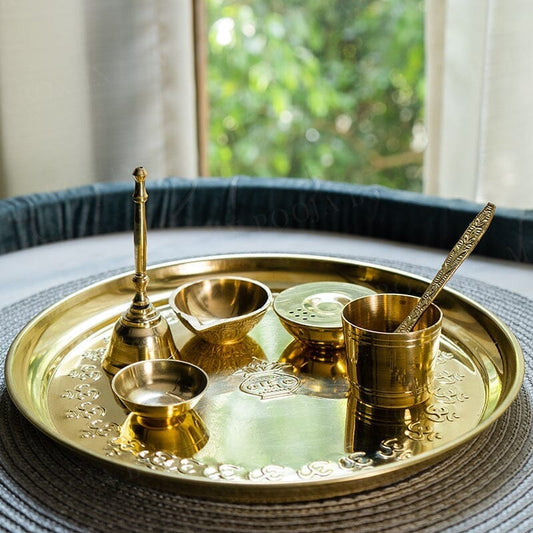
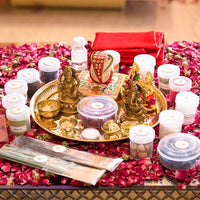
Pooja Thali Set: Containing a diya, bell, incense holder, and small bowls for offerings.
-
Panchamrit Ingredients: Milk, curd, honey, sugar, and ghee for the sacred bath (Abhishekam).
-
Shringar Accessories: Crown (Mukut), peacock feather, flute, and yellow dresses.
-
Sacred Offerings: Fresh white butter, Tulsi leaves, flowers, and sweets (Panjiri or Mishri).
Prepare for a Blessed Janmashtami with My Pooja Box
Celebrating Janmashtami with devotion becomes effortless when you have the right spiritual essentials at hand.
At My Pooja Box, we offer premium brass Laddu Gopal idols, handcrafted wooden jhulas, designer dresses, brass diyas, and all-in-one Janmashtami pooja kits designed to make your worship seamless and sacred.
Explore our dedicated festival collection to bring home the divine grace of Lord Krishna this Janmashtami!