











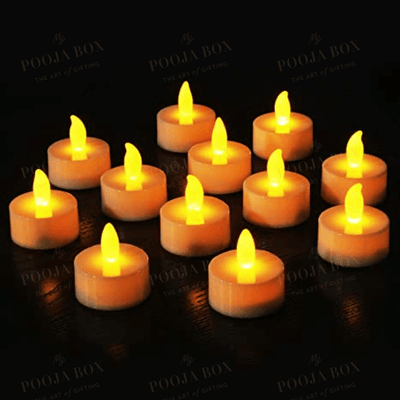







Dussehra, also known as Vijaya Dashami, is a Hindu festival that celebrates the victory of Lord Rama over Ravana. This day marks the end of Durga Puja and Navratri celebrations in India. The 10-day event ends with prayers to Goddess Lakshmi for wealth and prosperity for all at home. It was believed that on this day, Goddess Lakshmi would go back to her husband's house after visiting her parents' house during Durga Puja.
On this auspicious occasion, people worship their ancestors by lighting up diyas (lamps). People take part in special pujas or rituals to ensure peace and prosperity for everyone in their family. They give gifts to each other, send sweets among friends, relatives, and family members.
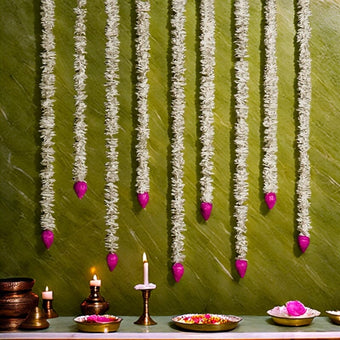
On the auspicious day of Dussehra, the people of Uttar Pradesh celebrate it with great pomp and show by lighting up pandals in their streets. These pandals are beautifully decorated with Rangolis at the entrances, lights inside the mandaps, various weapons used by Lord Rama to fight Ravana placed on display inside the pandals, idols of Goddess Durga on one side and Lakshmi for wealth on another side. People visit these pandals during darshan hours or before puja ends to have a glimpse of this beautiful artwork.
The festival also marks Lakshmi Puja done in some households as part of rituals across India. They believe that Lakshmi is very fond of sweets. So, on the day of Lakshmi Puja, people offer sargi to Goddess Lakshmi. Sargi is a sweet dish used in some traditional rituals, particularly during Diwali pooja among Nepalese communities.
Why is Dussehra celebrated?
The name Dussehra is derived from the Sanskrit words 'Dasha' meaning ten and 'Hara' meaning demon. Thus, it can be translated to mean "the defeat of 10 demons". The festival culminates with the effigy-burning ceremony called ‘Ravan Vadh’ on the full moon night in October or November.
The Story of Ravana's Defeat
The effigy signifies Ravana, a mythical king who was killed by Rama (an incarnation of Vishnu), according to a Hindu legend in the Treta Yuga period. The story goes that Rama, his brother Lakshmana and Sita were exiled from their kingdom for 14 years. During this time, Ravana abducted Sita. When the brothers came back to reclaim their kingdom, they defeated Ravana by burning him alive on a pyre made up of dried tree branches with Kala-hemp oil.
Ravana's ten heads represent the nine planets (excluding the Earth) and the sun. Hindus believe that the goddess Durga destroyed all nine planets that represented the evil forces surrounding the earth.Thus, it is believed that the demon Ravana too was not just one person but all evil combined together. So, burning him down signifies victory over evil!
Key Rituals and Celebrations of Dussehra
Dussehra celebrations vary across India, but the core of the festival revolves around Lord Rama’s triumph and honoring the goddess Durga. Here’s how people celebrate Vijaya Dashami in different regions:
1. Effigy Burning: Ravan Vadh
The Ravan Vadh or effigy-burning ceremony is the most iconic event of Dussehra. The effigy of Ravana, representing evil, is filled with firecrackers and burned, symbolizing the eradication of evil forces. This ceremony is especially prevalent in northern India, where large crowds gather to watch the grand spectacle.
-
Significance: Burning Ravana’s effigy signifies the victory of Lord Rama over evil. His ten heads represent the nine planets and the sun, symbolizing the many evils that Ravana personified. The act of burning him signifies the removal of evil influences from the world.
2. Ramlila: The Enactment of Lord Rama’s Life
Ramlila, the dramatic enactment of Rama’s life and his battle with Ravana, is performed for several days leading up to Dussehra. These performances take place in large open areas where groups of actors, often in elaborate costumes, narrate the epic Ramayana through dance, song, and theater.
-
Significance: Ramlila serves as an educational and spiritual reminder of righteousness, duty, and goodness prevailing over evil. It connects the community and strengthens cultural traditions.
3. Lakshmi Puja: Prayers for Wealth and Prosperity
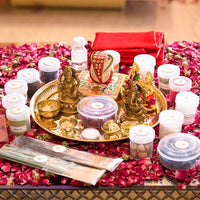
Dussehra also marks the beginning of Lakshmi Puja for many households, where people worship Goddess Lakshmi for prosperity and wealth. It’s believed that Goddess Lakshmi, after visiting her parents during Durga Puja, returns to her husband’s house on Dussehra.
-
Significance: The Lakshmi Puja offers prayers for financial prosperity, good fortune, and success. During this time, people also clean their homes, buy new items, and offer sweets to attract blessings for the upcoming year.
Rituals and Traditions of Dussehra in 2026
1. Preparations Before the Rituals
-
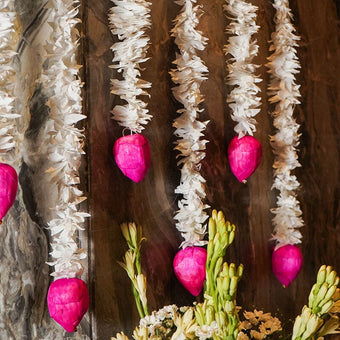
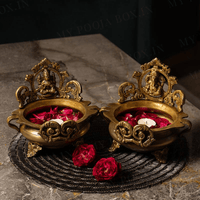
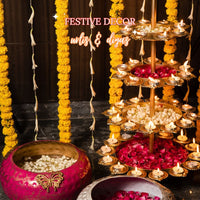
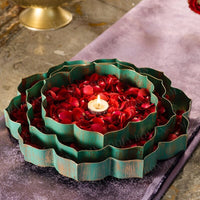
Cleaning the Home: As part of the Lakshmi Puja, cleaning and decorating the home is essential to welcome prosperity. People place flowers, diyas, and rangolis in their homes.
-
Sweets and Offerings: It’s customary to prepare sweets, such as ladoos and barfis, and offer them to Lord Rama and Lord Lakshmi. Sharing these sweets with friends, relatives, and family members is a gesture of love and gratitude.
2. The Shastra Puja (Weapon Worship)
On Dussehra, people often worship their tools of profession, like vehicles, weapons, or books, as a way of seeking blessings for future success and growth. This ritual is especially prominent in business communities.
The Importance of Dussehra in India
Dussehra is celebrated with grandeur in various parts of India, particularly in Uttar Pradesh, Bihar, Haryana, and Madhya Pradesh. It’s a festival that unites families, communities, and regions in a shared celebration of victory, prosperity, and peace.
-
Community Celebrations: In cities, local pandals (temporary structures) are set up, showcasing Ravana effigies, Durga idols, and Lakshmi altars, adorned with beautiful rangolis, flowers, and lights.
-
Gifts and Prasad: Exchange of gifts and offering prasad to friends and family members is a significant part of the festival, fostering community spirit.
Celebrate Dussehra 2026 with Joy and Positivity
Dussehra is not just a festival but a celebration of goodness, righteousness, and the victory over evil. Whether through the effigy-burning ceremony, Ramlila enactments, or Lakshmi Puja, the rituals are designed to fill your life with positivity, prosperity, and happiness.
Celebrate Dussehra 2026 with your loved ones, and may this auspicious day bring you peace, success, and prosperity in all aspects of your life.